Who Pays for a Condo Roof Repair in California?
Who pays for condo and townhome roof repairs in California, what Civil Code 4775 says, why your HOA documents decide, and what to do when the roof leaks.
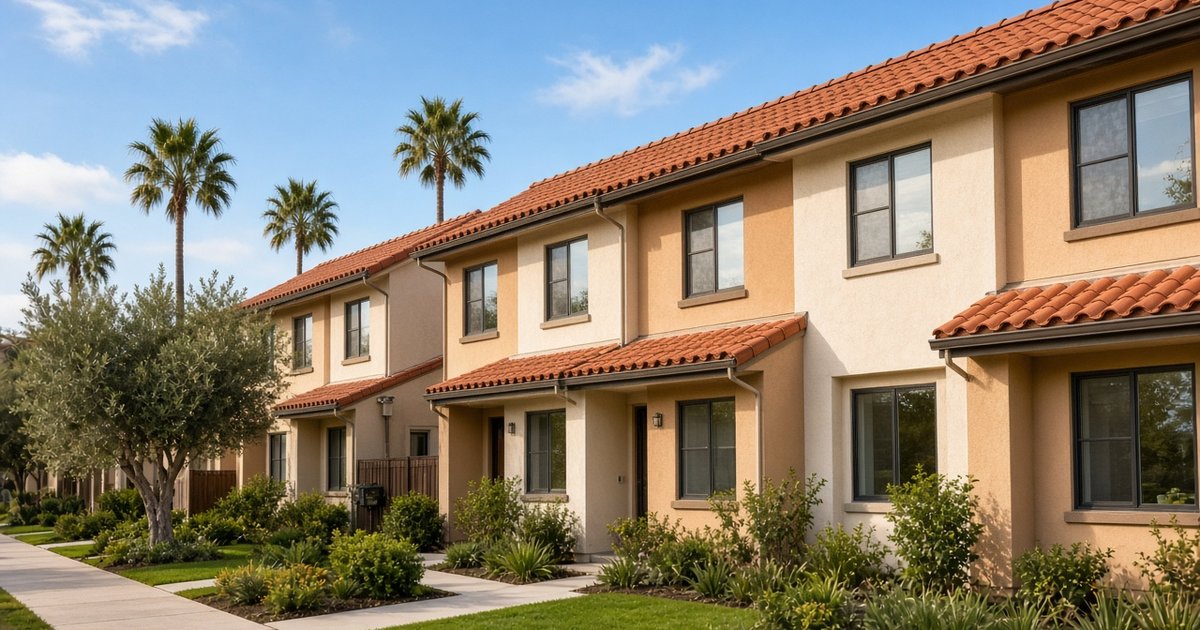
Water is dripping through your condo ceiling. Your first question is probably not about roofing materials. It is "who pays for this?" In California, the answer depends on state law and, just as much, on your association's governing documents. This guide explains who is usually responsible for condo roof repair in California, what the Civil Code says, where your CC&Rs can change the answer, and what to do the day a leak shows up. It is general information, not legal advice, so use it to ask better questions of your board, your insurer and, if needed, a lawyer.
Who is responsible for a condo roof in California?
Condos, townhomes and many planned developments are "common interest developments," governed by Part 5 of the California Civil Code, often called the Davis-Stirling Act. Civil Code section 4775 sets the default rules for who repairs what:
- Common area. Unless the declaration says otherwise, the association is responsible for repairing, replacing and maintaining the common area.
- Your separate interest. Unless the declaration says otherwise, each owner is responsible for repairing, replacing and maintaining their own separate interest.
- Exclusive use common area. This is common area set aside for one owner, like a private balcony or patio. By default the owner maintains it, and the association repairs and replaces it.
Source: California Civil Code section 4775(a), leginfo.legislature.ca.gov, read November 20, 2026
The key phrase is "unless otherwise provided in the declaration." Your declaration, often called the CC&Rs, can shift these duties. So the real answer is in your documents.
Is the roof common area?
In a typical condo building, the roof is part of the common area, because owners own the airspace of their units and share the structure. In many townhome and planned developments, owners own their lot and the building on it, roof included. That is why two neighbors in similar looking buildings can get very different answers. Look for the definitions of "unit," "lot" and "common area" in your CC&Rs and on the condominium plan.
Who pays for damage inside your unit?
Fixing the roof and fixing your ceiling, drywall and floors are often separate questions. Even when the association must repair the roof, your CC&Rs and insurance policies decide who covers interior damage. Many associations carry a master policy for the building, and owners carry their own policy for the inside of the unit. Read both, and call your insurer early.
If damage is serious, read our guide to filing a roof insurance claim in California for how to document it.
Temporary relocation costs
Civil Code 4775 says the cost of temporary relocation during repairs to areas the association is responsible for is borne by the owner of the affected unit. If you have to move out while the HOA fixes the roof, plan for that cost, and check whether your own policy covers loss of use.
Source: California Civil Code section 4775(c), leginfo.legislature.ca.gov, read November 20, 2026
What to do when your condo roof leaks
- Limit the damage. Move belongings, catch water, and photograph everything. Our guide on what to do when your roof leaks in the rain covers the first hour.
- Report it in writing. Email the management company or board with photos, the date and the location of the leak. Keep a copy.
- Read your CC&Rs. Find the maintenance section and the definitions of common area and separate interest.
- Call your insurer. Ask how your unit policy and the master policy work together.
- Do not hire your own roofer for common area roofing without approval. Work on association property usually needs the board's sign off. Our guide to HOA roof approval in California explains how architectural review works.
How HOAs plan for roof replacement
For many associations, the roof is a major component that has to be planned and saved for years ahead. California law requires that planning. Under Civil Code section 5550, at least once every three years the board must have a visual inspection done of the accessible areas of the major components the association must repair or replace, as part of a reserve study, when those components' replacement value is at least half of the association's gross budget. The board must review the study annually.
The study must identify major components with a remaining useful life of less than 30 years, their probable remaining useful life, and the estimated cost to repair or replace them.
Source: California Civil Code section 5550, leginfo.legislature.ca.gov, read November 20, 2026
As an owner, you can ask for the reserve study summary. It shows when the association expects to replace the roof and whether money is set aside for it. A roof near the end of its life with thin reserves can mean a special assessment ahead.
Questions to ask your board or manager
- Is the roof over my unit common area, exclusive use common area or part of my separate interest?
- Which section of the CC&Rs says so?
- When was the roof last inspected, and what did the reserve study say about its remaining life?
- Is a roof replacement planned, and is it funded or likely to need a special assessment?
- Who will repair the interior damage from this leak, and through which insurance policy?
Ask for answers in writing. Board minutes and the annual budget report often show roof plans too, so ask how to get copies.
If you rent out your condo
If you own a unit and rent it out, you may have duties to your tenant even when the HOA owns the roof. Our guide on roof leaks in rentals and California landlord duties explains them.
When the HOA hires a roofer
Boards hire roofers too, and owners can ask questions. Roofing work in California is done under the C-39 roofing classification. Read what a C-39 roofing license means, and if you sit on the board, learn how to check a contractor's license in California before the vote.
Frequently asked questions
Does the HOA have to fix my roof?
If the roof is common area and your CC&Rs do not say otherwise, Civil Code 4775 puts repair and replacement on the association. Check your documents to be sure.
Who pays for a townhouse roof in California?
It depends on whether the roof is part of your lot or the common area. Many townhome owners own their roof, but the CC&Rs decide.
Can the HOA charge me for the roof repair?
If your documents assign the roof to owners, yes. Associations may also levy assessments to fund repairs. Ask the board to cite the section they rely on.
What if the board will not act?
Put your request in writing, attend a board meeting, and keep records. For a dispute about your rights, talk to an attorney who handles HOA law.
Where ConFacts fits
Whether you are an owner fixing your own townhome roof or a board member comparing bids, a ConFacts report on a California roofing contractor gives you a sourced background check built from public records, including CSLB license status, workers' comp, bond, the qualifier, certifications and reviews, with a 0 to 100 Trust Score. Your first report is free, then $7, or 3 for $15. We take no money from contractors. We show you the record, you make the decision.
Two companies. Two reports.
Got more than one bid? Check them side by side, against the same records.
Compare bids side by side