Roof Leaks in Rentals: California Landlord Duties
Who must fix a roof leak in a California rental, what Civil Code 1941.1 requires, how repair and deduct works, and how landlords can fix leaks the right way.
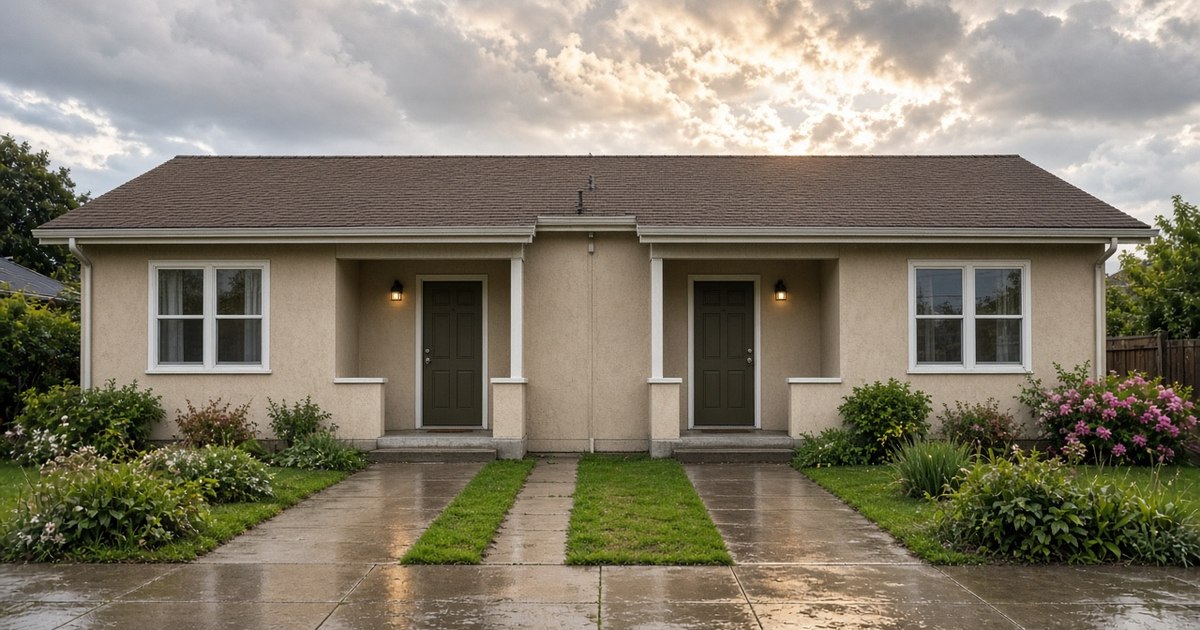
If you rent out a house, a duplex or a condo in California, a roof leak is more than a repair bill. It is a legal duty with a clock attached. And if you are a tenant, it helps to know what the law expects from your landlord. This guide explains who is responsible for a roof leak in a California rental, what the Civil Code says, how the "repair and deduct" rule works, and how to get the leak fixed properly by a licensed roofer.
This is general information, not legal advice. Local rent and housing rules can add to what is described here.
Is a landlord responsible for a roof leak in California?
In most cases, yes. California Civil Code section 1941.1 lists the basic things a rental must have to be considered fit to live in. The first item on the list is effective waterproofing and weather protection of the roof and exterior walls, including unbroken windows and doors. A dwelling that substantially lacks one of these items is considered untenantable.
Source: California Civil Code section 1941.1(a)(1), leginfo.legislature.ca.gov, read November 20, 2026
In plain terms, a roof that lets rain into the home is a habitability problem, and fixing it is generally the landlord's job.
When the tenant caused the damage
The law treats damage the tenant caused differently. Civil Code 1942 says the tenant's repair and deduct remedy is not available if the condition was caused by a violation of Section 1929 or 1941.2, the sections on tenant care of the property. Ordinary aging of a roof and storm wear are not the tenant's doing.
Source: California Civil Code section 1942(c), leginfo.legislature.ca.gov, read November 20, 2026
What is repair and deduct?
Civil Code 1942 gives tenants a remedy when a landlord does not act. If, within a reasonable time after written or oral notice, the landlord neglects to repair a condition that makes the home untenantable, the tenant may:
- make the repair and deduct the cost from the rent, if the repair costs no more than one month's rent, or
- move out, and be released from further rent from the date they leave.
A tenant can use this remedy no more than twice in any 12 month period.
Source: California Civil Code section 1942(a), leginfo.legislature.ca.gov, read November 20, 2026
What counts as a reasonable time?
The statute says that if a tenant repairs and deducts after the 30th day following notice, the tenant is presumed to have waited a reasonable time. A shorter wait can also be reasonable if the circumstances require it. An active leak during a rainy week may be one of those circumstances.
Source: California Civil Code section 1942(b), leginfo.legislature.ca.gov, read November 20, 2026
For landlords, the takeaway is simple: do not wait 30 days on an active roof leak. Respond quickly, and keep a record that you did.
What landlords should do when a tenant reports a leak
- Acknowledge it in writing. Reply to the tenant with the date you received the report and what happens next.
- Stop the water first. Arrange a temporary fix such as a tarp, and have the tenant protect belongings. Our guide on what to do when a roof leaks in the rain covers temporary measures.
- Get a proper inspection. Find the source, not just the stain. Leaks often travel along rafters before they show up on a ceiling.
- Decide repair or replacement. An older roof with many leaks may cost more to patch every winter than to replace. Our guide to roof repair vs replacement helps you weigh it.
- Check for hidden damage. Wet insulation and drywall can lead to mold. Fix the interior too.
- Keep records. Save messages, photos, invoices and permits. They show you met your duty.
After a big storm, our guide on what to do after storm damage to your roof covers documentation and insurance steps.
Entering the unit
Repairs often mean going inside to check ceilings and the attic. Civil Code 1954 lets a landlord enter to make necessary repairs, or without notice in an emergency. Otherwise, the landlord must give reasonable written notice with the date, approximate time and purpose of the entry, and enter during normal business hours. Twenty four hours is presumed reasonable notice. A tenant and landlord can also agree orally to an entry for agreed repairs within one week.
Source: California Civil Code section 1954, leginfo.legislature.ca.gov, read November 20, 2026
If you are the tenant: how to report a roof leak
If you rent and your ceiling is dripping, a clear report helps everyone and protects your rights.
- Tell the landlord right away, and in writing. The law counts oral notice, but a text or email gives you a dated record.
- Describe and photograph it. Note which room, when it started and how much water is coming in.
- Protect your things. Move belongings and electronics away from the leak.
- Make access easy. Agree on a time for the roofer to inspect.
- Get advice before using repair and deduct. The limits are strict, and a local tenant rights group or attorney can help.
Hiring a roofer for a rental property
Rental owners are often under time pressure, and that is when risky hires happen. A few habits help:
- Use a licensed roofer. Roofing in California is licensed under the C-39 classification. Learn the red flags of an unlicensed contractor.
- Watch the deposit. California limits down payments on home improvement contracts. See how much a roofer can ask for a deposit in California.
- Get it in writing. A clear scope, price and start date protect you and support your records.
- Ask about workers' comp. If a worker is hurt on your property, coverage matters.
Condos and HOA roofs
If your rental is a condo or townhome, the association may own and repair the roof, but your tenant will still call you. Learn who pays for a condo roof repair in California, report the leak to the HOA in writing right away, and keep your tenant updated.
Frequently asked questions
Can a tenant withhold rent for a roof leak in California?
Civil Code 1942 allows repair and deduct, within limits, after notice and a reasonable time. Other remedies exist too. Tenants should get advice before withholding rent.
How fast does a landlord have to fix a roof leak?
Within a reasonable time after notice. The law presumes 30 days is reasonable for repair and deduct, but an active leak may call for a faster response.
Can a tenant hire their own roofer?
Under repair and deduct, a tenant can make the repair if the landlord does not, up to one month's rent in cost. Landlords can avoid that by acting quickly.
Does the landlord's insurance cover a roof leak?
It depends on the policy and the cause. Sudden storm damage and long term wear are often treated differently. Ask your insurer.
Where ConFacts fits
When a tenant is waiting, you need a roofer you can trust quickly. A ConFacts check on a California roofing contractor gives you a sourced background check built from public records, including CSLB license status, workers' comp, bond, the qualifier, certifications and reviews, with a 0 to 100 Trust Score. Your first report is free, then $7, or 3 for $15. We take no money from contractors. We show you the record, you make the decision.
Two companies. Two reports.
Got more than one bid? Check them side by side, against the same records.
Compare bids side by side