New Roof Final Inspection: What to Check
Before you make the last payment on a new roof, walk through this checklist. Learn what to look for, what the code requires, the permit sign off and paperwork.
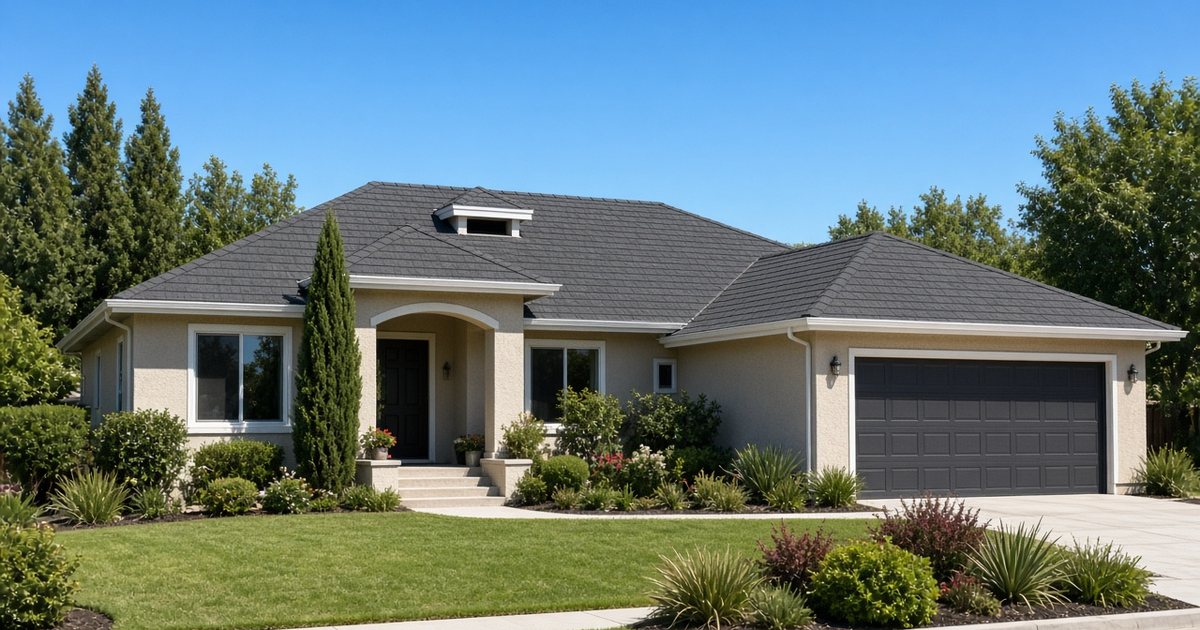
The crew has packed up, the dumpster is gone, and your new roof looks great from the street. Before you make the last payment, take a careful look. A final walk-through is your best chance to catch missed details, get loose ends fixed while the crew is still nearby, and collect the paperwork you will need for years. This new roof final inspection checklist explains what to look for from the ground and the attic, what the California code expects, how the permit sign off works, and which documents to keep.
Source: 2025 California Residential Code, Sections R905.2.6 and R905.2.8.5, via up.codes, read November 28, 2026
Most problems with a new roof come from small details: a missed piece of flashing, a nail left in the driveway, a vent that was not reconnected. These are easy to fix the week the job ends and much harder to sort out months later. A walk-through also gives you a clear record of the roof's condition on the day you accepted it, which helps if you ever need to use your warranty.
Plan the walk-through with your project manager or the owner of the roofing company before final payment, and bring your contract. Our guide to what should be in a roofing contract in California explains the scope you should be checking against.
What to check from the ground
You do not need to climb on the roof. Most of what matters can be seen from the yard, a window or with binoculars.
Shingles and lines
- Shingle rows look straight and even, with no lifted, curled or missing pieces.
- Color is consistent, without one patch that looks clearly different.
- Ridge caps are straight and fully seated along the peaks.
Edges, flashing and vents
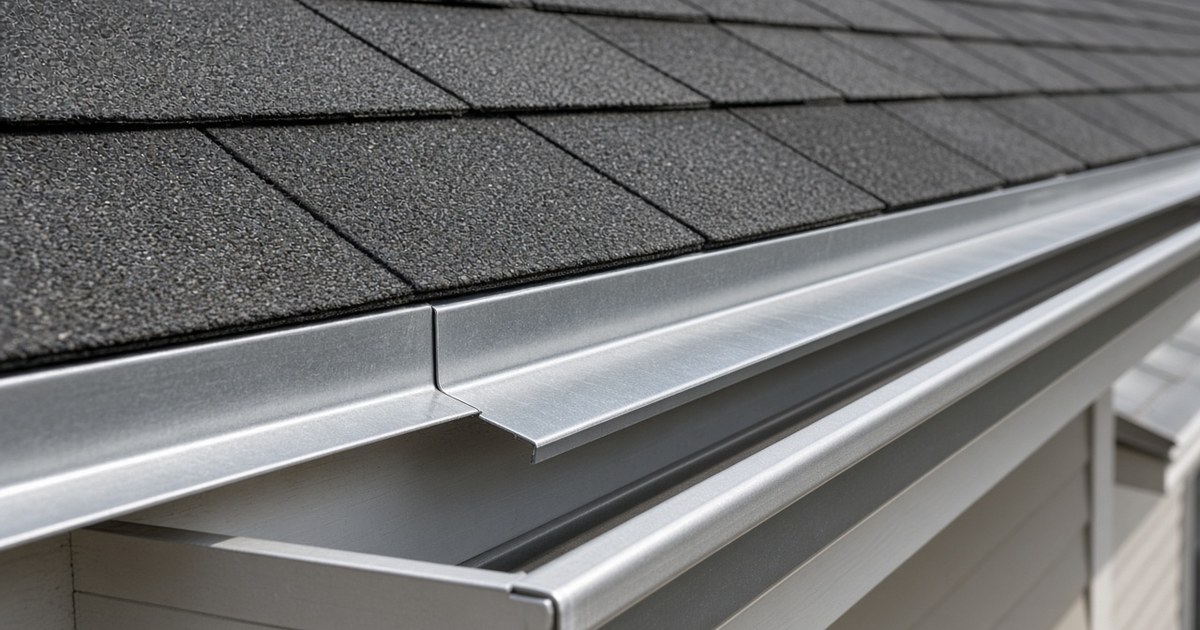
- Metal drip edge runs along the eaves and the sloped rake edges.
- Flashing is in place around chimneys, skylights, walls and pipe vents.
- Roof vents and pipe boots are new or properly reset, not cracked.
- Gutters are reattached, straight and clear of debris.
The California Residential Code requires drip edge at the eaves and rake edges of shingle roofs. Pieces must overlap at least 2 inches, extend at least a quarter inch below the roof sheathing and at least 2 inches back onto the roof deck, and be fastened at no more than 12 inches apart. Our guide to what drip edge is explains why it matters.
Source: 2025 California Residential Code, Section R905.2.8.5, via up.codes, read November 28, 2026
What to check in the attic and yard
Inside the attic
On a dry day, look at the underside of the roof deck with a flashlight. You should not see daylight through the boards, except at ridge vents where it is expected. If decking was replaced, ask to see where. After the first good rain, look again for drips or damp spots. Our guide to roof ventilation and attic heat explains how intake and exhaust vents should work together.
Nails and fasteners
The code requires asphalt shingles to have at least the number of fasteners in the manufacturer's instructions, and never fewer than four per strip shingle or two per individual shingle. You cannot count nails from the ground, so ask the roofer how many nails per shingle the crew used and whether that matches the manufacturer's instructions, especially if you want a manufacturer warranty.
Source: 2025 California Residential Code, Section R905.2.6, via up.codes, read November 28, 2026
After the first rain
Some problems only show up when water hits the roof. Once the first real storm of the season has passed, walk around the house and look at the gutters and downspouts to see that they carried water away. Check ceilings near chimneys, skylights and exterior walls for new stains, and take a quick look in the attic. If you see anything, photograph it right away and send the photos to the roofer in writing. A good roofer would much rather fix a small flashing gap in the first month than face a bigger leak a year later.
Cleanup
Walk the yard, driveway and flower beds. Loose roofing nails are a real hazard to tires, pets and bare feet. Ask the crew to do a final magnetic sweep if you find any. Check siding, windows, plants and the gutters for damage from falling debris.
Write down anything that needs fixing, take dated photos, and agree on when it will be done before you make the final payment.
The permit and the final inspection
The California Residential Code says anyone who plans to repair or alter a building in a way the code regulates must first get a permit, and most re-roofing falls under that rule. It also says a final inspection is made after the permitted work is complete. Ask your roofer for the permit number and confirm the final inspection passed. Many cities let you look up a permit's status online. Our guide to roof replacement permits in California covers the details.
Source: 2025 California Residential Code, Sections R105.1 and R109.1.6, via up.codes, read November 28, 2026

Paperwork to collect
- A copy of the signed permit card or proof the final inspection passed.
- The manufacturer warranty registration and the roofer's written workmanship warranty.
- A final invoice showing what was paid and any change orders.
- Lien releases from the roofer and from major suppliers or subcontractors.
- Product names and colors, so future repairs can match.
- Before, during and after photos.
Lien releases protect you if the roofer does not pay a supplier or worker. Our guide to mechanics lien releases in California explains which forms to ask for. To understand what your warranties do and do not cover, read manufacturer vs workmanship roof warranties.
Questions to ask at the final walk-through
• Has the final permit inspection passed, and can I have a copy?
• How many nails per shingle did the crew use, and does that match the manufacturer's instructions?
• Was any decking replaced, and where?
• Were all pipe boots, vents and flashing replaced or reused?
• Has the manufacturer warranty been registered, and in whose name?
• Can you provide lien releases before I make the final payment?
Frequently asked questions
Should I pay the roofer before the final inspection?
Who schedules the final roof inspection?
Do I need to get on the roof to check it?
What if I find a problem months later?
Check the roofer before you sign
A smooth final walk-through starts with hiring the right roofer. Before your next project, read our before-you-sign checklist and run a ConFacts check on your roofer to review the state license, bond and workers' comp records in one place.
Two companies. Two reports.
Got more than one bid? Check them side by side, against the same records.
Compare bids side by side