Water Heater Replacement Permits in California
Replacing a water heater in California usually needs a permit and earthquake straps. Learn what the code requires, how inspection works and who to hire.
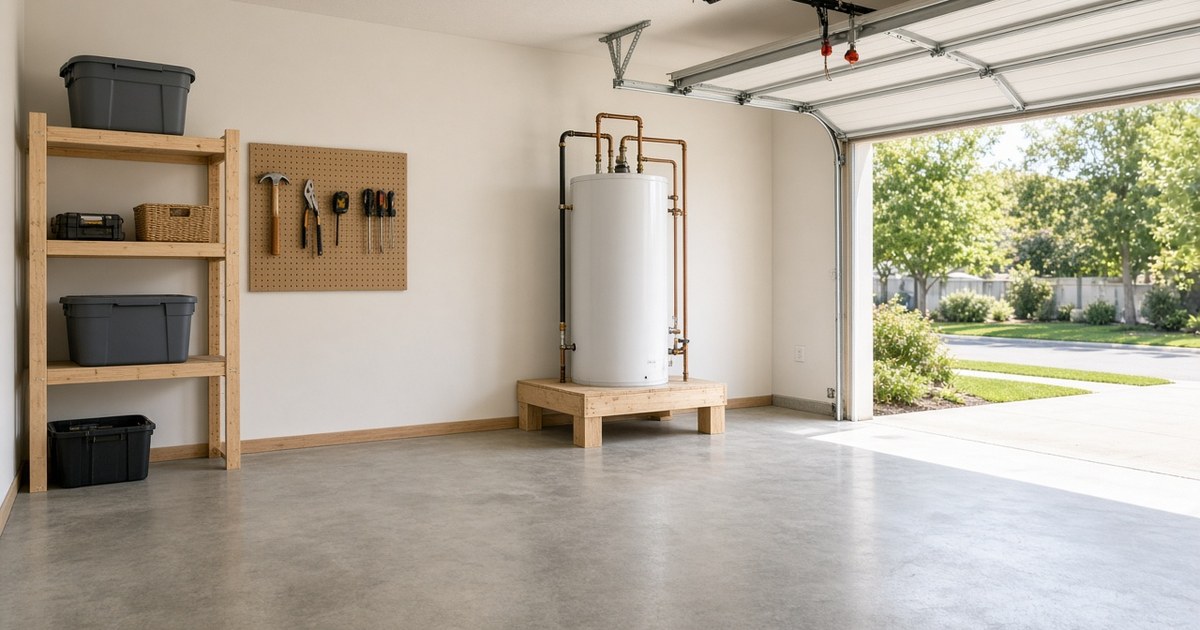
When a water heater fails, most people just want hot water back as fast as possible. But replacing a water heater in California is regulated work. It usually needs a permit, and state law requires every water heater to be strapped against earthquakes. Skipping those steps can cause problems with safety, home sales and insurance. This guide explains when a water heater replacement permit is required in California, what the earthquake strapping rules say, how the inspection works, and how to hire the right installer.
Source: County of San Diego Planning and Development Services, "Water Heater Strapping Requirements" (PDS 701), citing California Plumbing Code Section 507.2, sandiegocounty.gov; California Health and Safety Code Section 19211, leginfo.legislature.ca.gov; both read November 28, 2026
Do you need a permit to replace a water heater?
In most cases, yes. The California Residential Code says anyone who intends to install, alter, remove, convert or replace a plumbing, gas, mechanical or electrical system regulated by the code must first apply to the building official and get a permit. The code's list of exempt plumbing work covers things like stopping leaks and clearing stoppages, not swapping out an appliance like a water heater.
Source: 2025 California Residential Code, Sections R105.1 and R105.2, via up.codes, read November 28, 2026
Why the permit matters
A water heater combines water, heat and often gas, so mistakes can be serious. Venting, gas connections, pressure relief and electrical work all affect safety. The permit brings an inspector out to check that work. It also gives you a record you can show a buyer or an insurer later.
Tank or tankless, gas or electric
The permit rule applies whether you replace a standard tank, install a tankless unit or switch to an electric heat pump model. A different type of unit often means changes to the gas line, venting, electrical circuit or drain, and each of those is work an inspector will want to see. Even a same-size, same-fuel swap can reveal old venting or a missing pressure relief line that needs updating. If an installer quotes a price that seems too low, ask whether it includes the permit and any updates the inspector may require, so the final bill does not surprise you.
Local rules come first
Cities and counties enforce these codes and add their own handouts and fees. Many offer a simple over-the-counter or online permit for a like-for-like water heater swap. Check your local building department's website before work starts.
California's earthquake strapping law
State law is direct. California Health and Safety Code Section 19211 says all new and replacement water heaters, and all existing residential water heaters, must be braced, anchored or strapped to resist falling or moving sideways in an earthquake. At a minimum they must be secured according to the California Plumbing Code or any local changes to it. For this law, a water heater means a standard unit of up to 120 gallons for which a preengineered strapping kit is readily available.
Source: California Health and Safety Code Section 19211, leginfo.legislature.ca.gov, read November 28, 2026
What the strapping rules look like
A San Diego County handout on California Plumbing Code Section 507.2 shows typical requirements:
- Two metal straps, at least 22 gauge and at least 5/8 inch wide.
- One strap within the upper third of the tank's height and one within the lower third.
- The lower strap at least 4 inches above the controls.
- Screws at least 1/4 inch in size that go at least 1-1/2 inches into a wall framing member, with a washer under each screw head.
Your city may have its own version, so ask your building department for its handout.
Source: County of San Diego Planning and Development Services, "Water Heater Strapping Requirements" (PDS 701), sandiegocounty.gov, read November 28, 2026
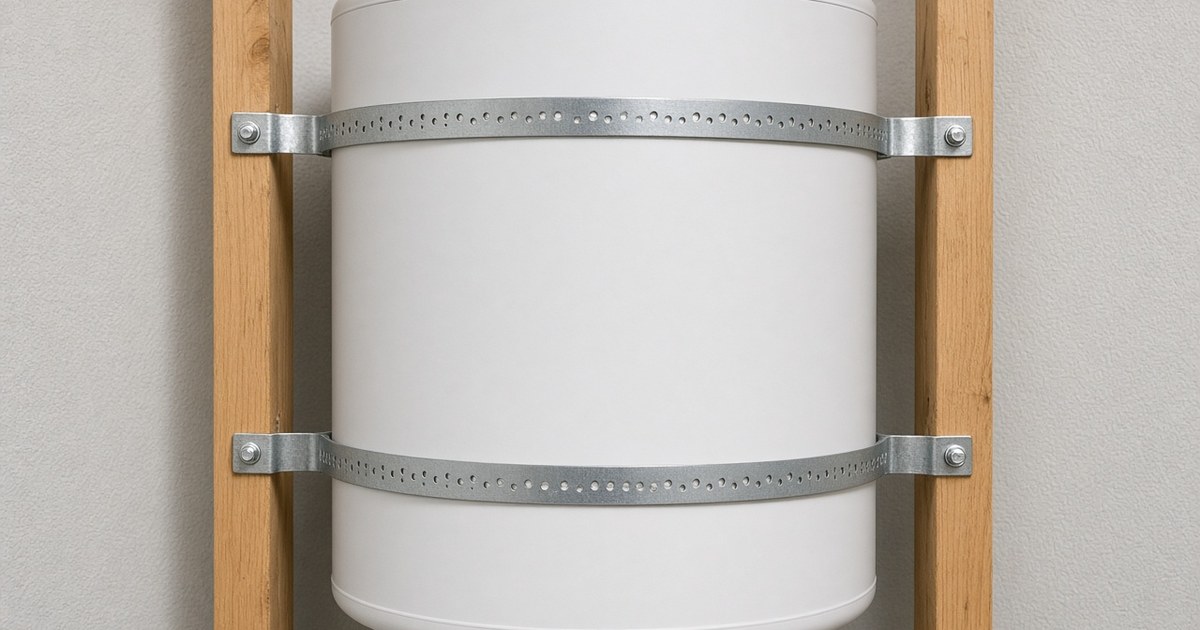
Ask the installer: will you pull the permit, and will the new water heater be strapped to the code before the inspector comes?
Selling your home and water heater strapping
Section 19211 also says that a seller of real property with a water heater must certify in writing to the buyer that the strapping law has been met. That statement can go into existing sale documents, such as the transfer disclosure statement or the purchase contract. If you plan to sell, confirming proper strapping now saves a scramble later. Our guide to roof certifications in California covers another item buyers often ask about.
Source: California Health and Safety Code Section 19211, leginfo.legislature.ca.gov, read November 28, 2026
The same law says an owner of a residential rental cannot evict anyone on the basis that eviction is needed to comply with the strapping rule.
How the inspection works
- Apply for the permit, often online, listing the address and the type of water heater.
- Install the new unit with proper venting, gas or electrical connections, pressure relief and earthquake straps.
- Schedule the inspection. The inspector checks the installation against the code.
- Keep the final sign off with your home records.
If you are also switching from gas to an electric heat pump water heater, or moving the unit, the job may involve electrical or structural work too, so ask whether more permits are needed. Bigger projects like a kitchen remodel permit or an ADU permit in California often include a new water heater in the plans.
Who should install your water heater
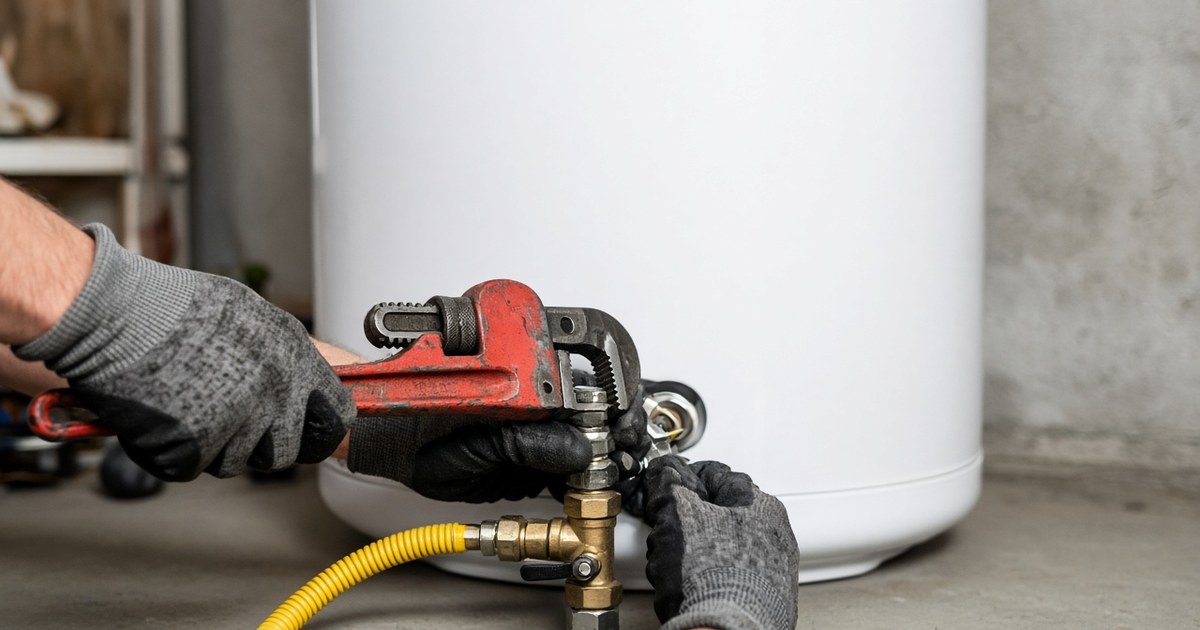
The Contractors State License Board lists C-36 Plumbing as its own license classification. A licensed plumber is the usual choice for a water heater swap, and a B general building contractor may handle one as part of a larger remodel. Our guide to the B general building contractor license explains when that fits. Before you hire, check the contractor's license in California and watch for unlicensed contractor red flags, such as an offer to skip the permit to save money.
Source: Contractors State License Board, "Licensing Classifications," cslb.ca.gov, read November 28, 2026
Questions to ask a water heater installer
• Will you pull the permit, and is it included in your price?
• Which license classification do you hold?
• How will you strap the water heater, and does it meet my city's handout?
• Will the venting, gas line and pressure relief valve be updated if needed?
• Will you haul away the old unit?
• Who will be there for the inspection?
Frequently asked questions
Do I need a permit to replace a water heater in California?
Does my existing water heater need earthquake straps?
Where do the straps go?
Can I replace a water heater myself?
Check the installer before you sign
A water heater is a small job with big safety stakes. Before you sign, read our guide to reading a contractor license and run a ConFacts check on the installer to review the state license, bond and workers' comp records in one place.
Two companies. Two reports.
Got more than one bid? Check them side by side, against the same records.
Compare bids side by side