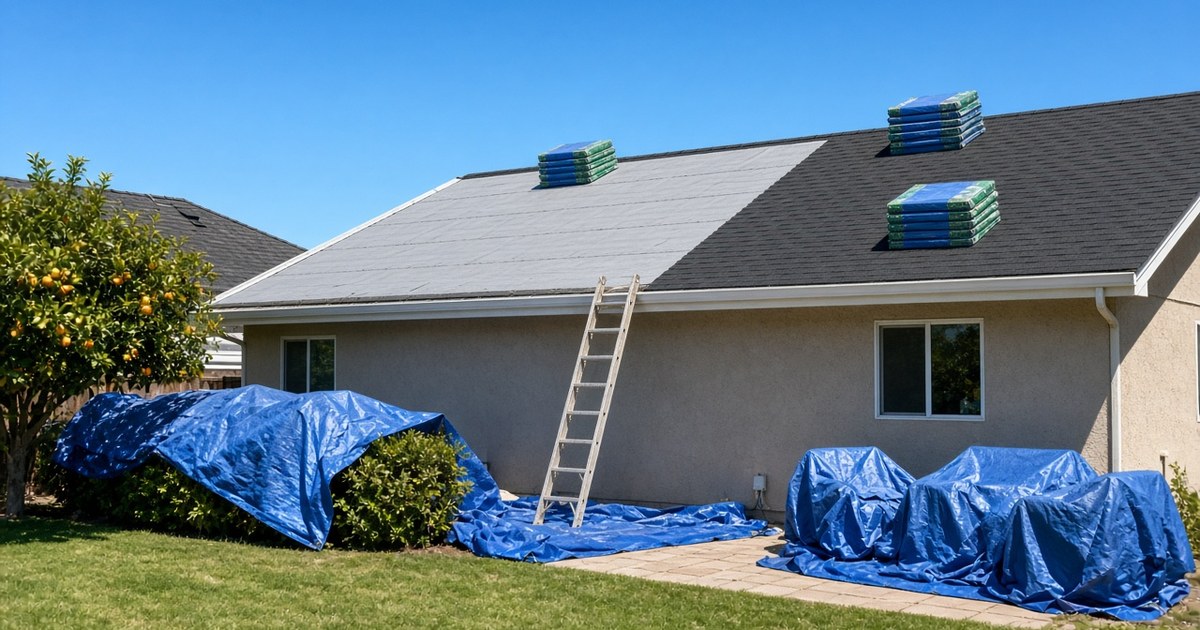
Roof Age and Home Insurance in California
Why California home insurers look at roof age and condition, what a nonrenewal notice must tell you, and what to do when your insurer flags your roof.
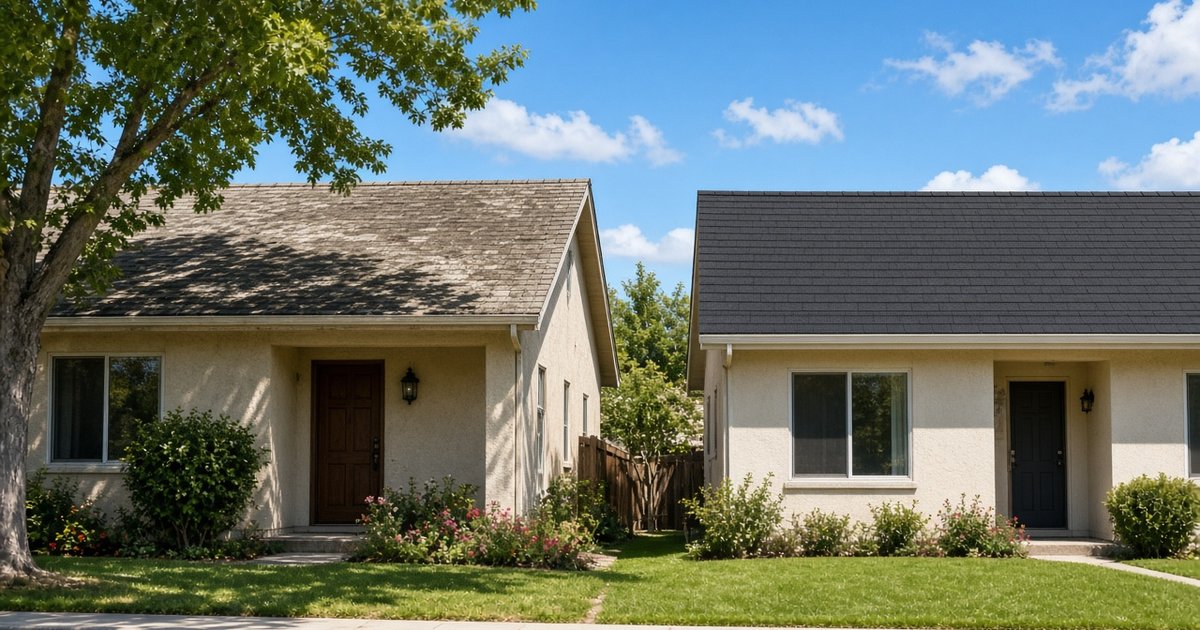
For many California homeowners, the first sign that the roof is a problem does not come from a leak. It comes in the mail, as a renewal letter or a nonrenewal notice that mentions the roof. Roof age and roof condition have become a real factor in home insurance in California. This guide explains why insurers care, what the law says a nonrenewal notice must include, and what you can do before and after your insurer raises the issue.
Why home insurers care about roof age
Your roof is the first line of defense against rain, wind and embers, so insurers treat its age and condition as a sign of risk. Each company sets its own underwriting rules, and those rules differ, so we cannot tell you a single roof age that triggers trouble. Ask your agent or insurer directly what they look at for your policy.
What we can show you is what regulators have seen. The California Department of Insurance says it has investigated numerous complaints where flawed aerial imagery led to wrongful cancellations or nonrenewals, and that in several cases insurers used imprecise drone or satellite photos to assess roof conditions.
Source: California Department of Insurance, press release "Commissioner Lara supports legislation to protect homeowners' privacy and increase transparency in insurers' use of aerial imagery" (2025)
A 2026 Assembly committee analysis describes reported nonrenewal reasons such as "mold, algae on roof" and "outdated paint [and] discoloration," and notes that these increasingly rely on aerial images that homeowners did not know were taken.
Source: California Assembly Committee on Insurance, analysis of AB 1559 (Calderon), April 2026
Roof age vs roof condition
Age is a number on paper. Condition is what is actually on your house. A well maintained 18 year old tile roof can be in better shape than a neglected 10 year old shingle roof. To get a feel for where your roof stands, see our guide on how long a roof lasts in California.
What a nonrenewal notice must tell you
California law gives you real protections when an insurer decides not to renew a residential property policy:
- 75 days of notice: the insurer must deliver or mail the notice of nonrenewal at least 75 days before the policy expires. If it does not, your existing policy stays in effect for 75 days from the date the notice is delivered or mailed.
- The specific reason: the notice must state the specific reason or reasons for the nonrenewal.
- Who to call: the notice must list the insurer's phone number for consumer inquiries and tell you that, if you have contacted the insurer and are still unsatisfied, you can have the matter reviewed by the Department of Insurance at www.insurance.ca.gov or (800) 927-4357.
- Where to look next: the notice must mention the California Home Insurance Finder and the California FAIR Plan.
Source: California Insurance Code §678(a)(1)(B), (c) and (e)
That "specific reason" line matters. If the notice points to your roof, you know exactly what to address, and you have a window to act before the policy ends.
What to do if your insurer flags your roof
- Read the reason closely. Is it age, a specific defect like missing shingles or moss, or a general "condition" note? Each calls for a different response.
- Ask for the evidence. Ask the insurer what the decision was based on, including any photos, and the date they were taken.
- Get an independent inspection. Have a licensed C-39 roofing contractor inspect the roof and write up its condition. Our guide on when to get a roof inspection in California explains what a good inspection covers.
- Fix what can be fixed. A targeted repair can sometimes resolve the issue. See roof repair vs replacement to weigh your options, and if the note mentions growth on the roof, read about moss and algae on California roofs.
- Send documentation. Give the insurer the inspection report, repair invoice or replacement contract, plus dated photos, and ask in writing whether the decision will change.
- Escalate if needed. If you are still unsatisfied after talking to the insurer, you can ask the Department of Insurance to review it, as your notice will explain.
Is there a law about aerial roof photos?
Not yet, as far as we can confirm. A bill, AB 1559, would require insurers to tell policyholders that aerial images may be taken, share those images on request, and stop basing coverage terminations on aerial images more than 180 days old unless the condition is verified. As of our check today, the Legislature's bill status page lists it as still in a Senate committee, so it is not law. You can still ask your insurer for any photos it relied on.
Source: California Legislative Information, AB 1559 bill status and bill text (2025-2026 session), checked November 19, 2026
If you cannot find a new policy
The California FAIR Plan is the state's insurer of last resort. It offers basic fire insurance for properties that cannot get coverage in the traditional market, through licensed agents and brokers, and there is no extra cost for using a broker.
Source: California FAIR Plan Association, cfpnet.com
FAIR Plan policies may not cover liability, theft or water damage, among other things, so California law says a Difference in Conditions (DIC) policy should be considered to fill gaps.
Source: California Insurance Code §678(e)
Does a new roof help with insurance?
It can. A new or recently replaced roof removes the age question, and the right material can also qualify for a wildfire discount. Under the Department of Insurance's Safer from Wildfires program, a Class A fire rated roof is one of the actions that can qualify you for a discount. The department says most roofs qualify, including asphalt shingles, concrete, brick or masonry tiles, and metal shingles or sheets, while wood shake shingles are not Class A rated.
Source: California Department of Insurance, "Safer from Wildfires" consumer page
For more on fire rated roofing, read our guide to wildfire resistant roofs in California. If you do file a claim on a damaged roof, our walkthrough of a roof insurance claim in California covers the process. And if you are worried a reroof will raise your taxes, see whether a new roof increases property taxes in California.
Keep a roof file
Whether you are shopping for insurance or answering an underwriter, records help. Keep these in one folder:
- the roofing contract and final invoice, with the install date
- the building permit and final inspection sign-off, if your city issued one
- the manufacturer and workmanship warranties
- inspection reports and repair invoices
- dated photos of the roof from the ground or a ladder
Frequently asked questions
Can my insurer drop me because my roof is old?
Insurers set their own underwriting rules, and roof age or condition can be one of the reasons given. California law requires 75 days of notice and the specific reason for a nonrenewal.
How old is too old for insurance?
There is no single state rule. It depends on the company and the roof material. Ask your insurer.
Will a roof inspection report help?
It can give your insurer current, documented facts about the roof, which is better than an old photo. It does not guarantee a different decision.
Before you hire someone to fix it
A nonrenewal notice can make you feel rushed, and that is when homeowners sign with the first roofer who knocks. Take a breath and check the contractor first. A ConFacts report on a California roofing contractor pulls CSLB license status, workers' comp, bond, the qualifier, certifications and reviews from public records into a 0 to 100 Trust Score. Your first report is free, then $7, or 3 for $15. We take no money from contractors. We show you the record, you make the decision.
Two companies. Two reports.
Got more than one bid? Check them side by side, against the same records.
Compare bids side by side