Replacing a Wood Shake Roof in California
Replacing an old wood shake roof in California? Learn the signs it is worn out, the Class A fire rules, your material options and what to ask roofers.
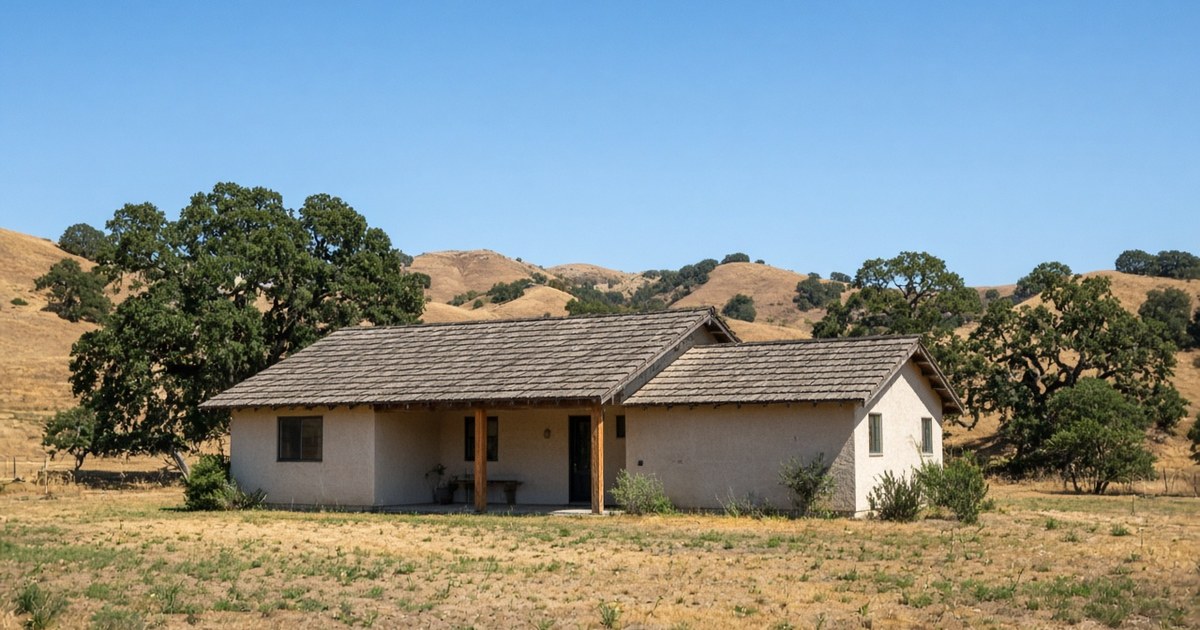
Wood shake roofs give many older California homes their look, but a lot of them are now decades old, and fire rules have tightened. If your shakes are splitting, curling or turning gray and brittle, you are probably weighing a wood shake roof replacement. This guide covers the signs a shake roof is worn out, the fire rating rules that apply when you replace it, the main material options and the questions to ask before you sign.
Source: 2025 California Residential Code, Section R902.1.1, and 2025 California Wildland-Urban Interface Code, Section 507.1, via up.codes; CAL FIRE Office of the State Fire Marshal, "Fire Hazard Severity Zones," osfm.fire.ca.gov; all read November 28, 2026
Signs your wood shake roof is worn out
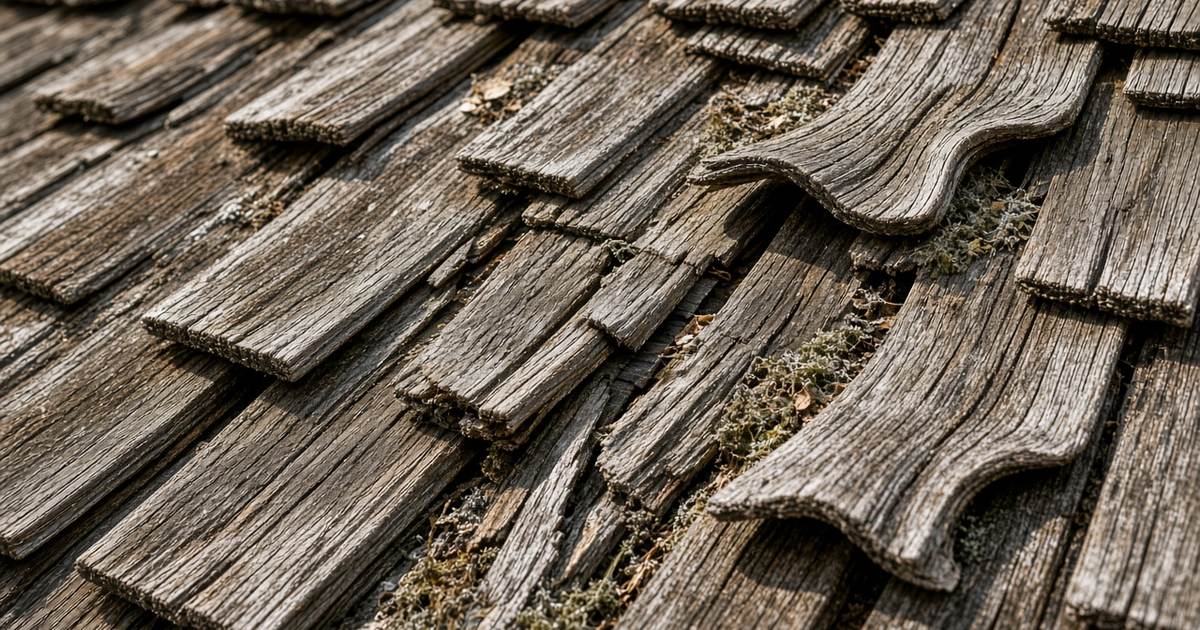
Wood shakes are split cedar or other naturally durable wood, thicker and rougher than sawn wood shingles. They age in a predictable way. Look from the ground with binoculars for:
- Splits and cracks running down the length of the shakes.
- Cupping and curling, where shakes lift away from the roof.
- Thin, worn shakes with gaps between courses.
- Moss, lichen and debris packed between shakes, which holds water against the wood.
- Missing or loose shakes after wind.
- Leaks or stains inside, especially after the first winter storms.
One or two loose shakes can be replaced. When the wear is widespread, repairs become a cycle with no end. Our guide to signs you need a new roof covers general warning signs for any material.
Fire rules and insurance
Fire rating is the biggest reason California homeowners move away from wood shakes. Roofing is rated Class A, B or C for fire resistance, with Class A the highest.
Fire hazard severity zones
In a fire hazard severity zone or wildland-urban interface area, the California Residential Code points to the California Wildland-Urban Interface Code. That code requires a Class A roof when the roof is replaced or 50 percent or more of it is replaced within 12 months, and at least Class A for any roof covering applied in a repair. Outside those areas, the minimum is Class C.
Source: 2025 California Residential Code, Sections R902.1.1 and R902.1.2, and 2025 California Wildland-Urban Interface Code, Sections 504.2 and 507.1, via up.codes, read November 28, 2026
CAL FIRE's Office of the State Fire Marshal maps these zones as moderate, high or very high, and its online viewer lets you look up your address. It notes that burning embers can ignite buildings up to a mile away from the main fire, which is why the roof matters so much. Your city or county may also have its own stricter rules, so check with the local building department. Our guide to wildfire roofs in California covers zones, vents and gutters in depth.
Source: CAL FIRE Office of the State Fire Marshal, "Fire Hazard Severity Zones," osfm.fire.ca.gov, and CAL FIRE, "Hardening Your Home," readyforwildfire.org, both read November 28, 2026
Can you use wood shakes again?
The code's route for wood on a fire rated roof is fire-retardant-treated wood shakes and shingles, which are pressure treated with fire-retardant chemicals and qualified for use on Class A, B or C roofs. A treated shake's rating depends on the exact product and how it is installed, so ask for the product's fire classification listing before you choose it. Our guide to cool roof and Class A roofing rules explains how ratings work.
Source: 2025 California Residential Code, Section R902.2, via up.codes, read November 28, 2026
Ask the roofer: is my home in a fire hazard severity zone, and what fire rating will the new roof have as installed, with which tested assembly?
Insurance and your shake roof
Many California homeowners first hear about their shake roof from an insurer. Roof material and age can affect whether a policy is offered or renewed, and at what price. Ask your agent in writing how a new Class A roof would change your coverage, and keep the permit and final inspection records after the work. Our guide to roof age and home insurance in California explains what insurers commonly look at.
Replacement material options
Most homeowners replacing shakes choose one of these. Each is commonly available as Class A, but always confirm the rating of the exact product and assembly. For a textured look on a lighter roof, see stone-coated steel roofing.
- Asphalt architectural shingles, often the lowest cost option, including thicker designer lines made to look like shakes.
- Concrete tile, including flat shake style profiles. Tile is heavy, so ask whether the framing needs an engineer's review.
- Metal, including stone coated steel panels shaped like shakes.
- Composite or synthetic shakes, made from polymers to look like wood.
Our guide to tile vs shingle vs metal roofs in California compares cost, weight and lifespan.
What the replacement job involves
Tear-off and decking
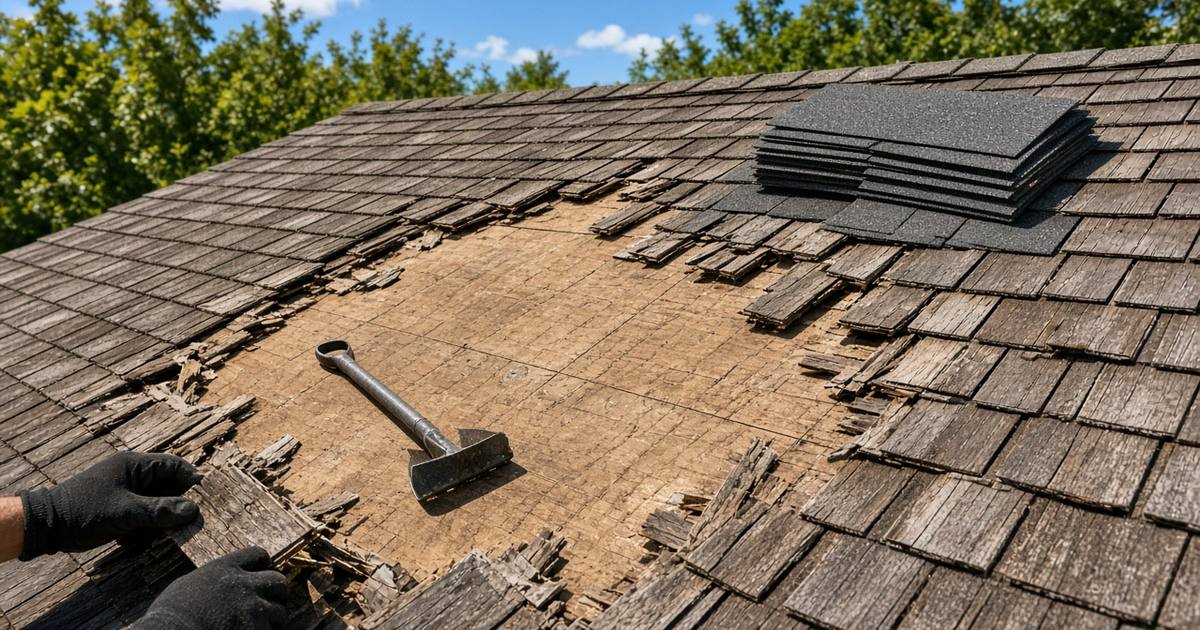
Shake roofs are often installed over spaced boards (skip sheathing) with gaps between them. Many new roof types need a solid deck, so roofers commonly add plywood or OSB sheathing over or in place of the boards. That can be a significant line item, so make sure every bid says how the deck will be handled.
Gutters, vents and edges
A reroof is the easiest time to deal with the parts around the roof as well. Ask whether the roofer will replace the drip edge and flashing, how attic vents will be handled, and whether gutters full of old shake debris will be cleaned or replaced. In fire prone areas, vents and gutters matter as much as the roof covering, because embers collect in them. Ask for these items as separate lines in the bid so you can see what is included and compare one roofer with another.
Permits and inspection
A full reroof normally needs a building permit in California, and the inspector checks the fire rating and installation. Our guide to roof replacement permits in California explains the process.
Old roofing materials
Some older homes have other layers or materials under or around the shakes. If the roofer suspects asbestos in old roofing felt or materials, testing should happen before tear-off.
When you collect bids, compare the deck work, fire rating, underlayment and cleanup line by line. Our guide to how to compare roofing bids has a checklist.
Questions to ask about replacing a shake roof
• What fire rating will the new roof have as installed?
• Is my home in a fire hazard severity zone, and what does my city require?
• Will you add solid sheathing, and is it included in the price?
• Can the framing carry the weight of the material I want?
• Who pulls the permit, and when is the final inspection?
• How will you protect my yard and plants from wood debris during tear-off?
Frequently asked questions
Are wood shake roofs illegal in California?
Can I repair part of my shake roof instead?
Can new roofing go over old shakes?
Which replacement looks most like wood shakes?
Check the roofer before you sign
A shake roof replacement is a big, permitted job. Before you sign, run a ConFacts check on the California roofer to review the state license, bond and workers' comp records in one place.
Two companies. Two reports.
Got more than one bid? Check them side by side, against the same records.
Compare bids side by side