ADU Permits in California: What to Know
How ADU permits work in California: what state ADU law requires, the 60-day approval clock, size and setback rules, and why a licensed contractor matters.
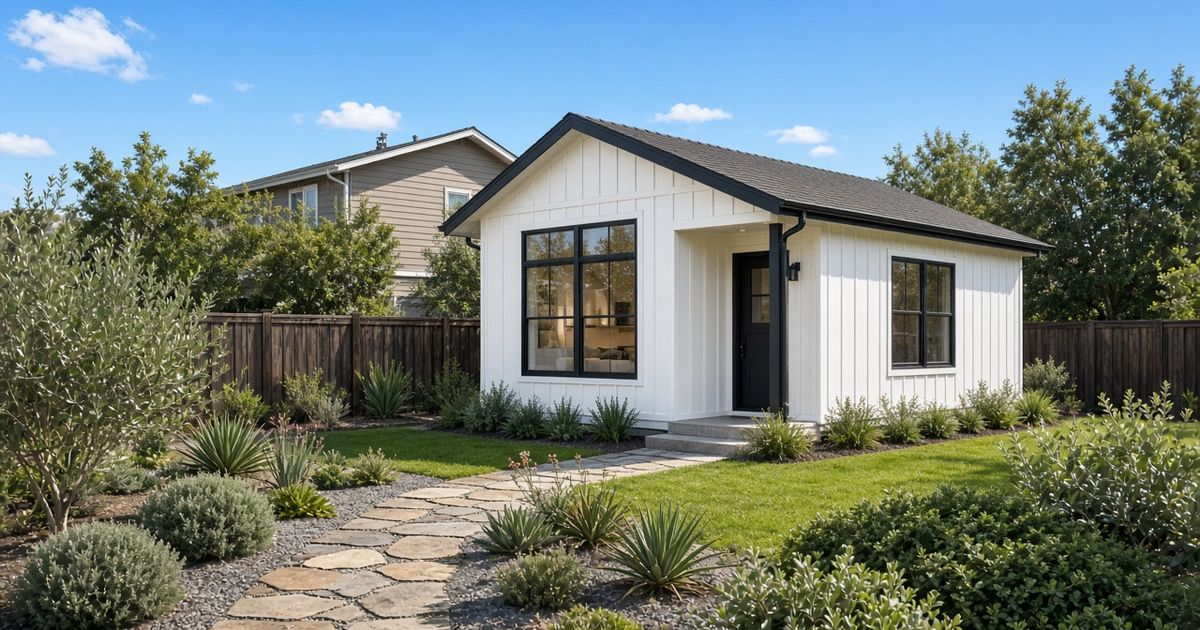
A backyard cottage, a garage conversion or an apartment inside your home can add space for family or rental income. In California, the path to building one runs through an ADU permit, and state law shapes much of that process. Cities still review your plans, but they have to follow statewide rules on what they approve, how they review it and how long they can take.
This guide walks through how an ADU permit in California works: the state ADU law, the review timeline, the size and setback rules many homeowners ask about, and why hiring a licensed contractor protects you. It is general information, not legal advice about your lot.
Do you need a permit for an ADU in California?
Yes. An accessory dwelling unit, or ADU, is a home and is built under a building permit. What makes California different is how that permit is reviewed. State law says a permit application for an ADU must be considered and approved ministerially, without discretionary review or a hearing. In plain English, if your plans meet the objective rules, the city should not put the project through a discretionary hearing.
Source: California Government Code §66317(a)(1)
The state's ADU and junior ADU laws now live in Chapter 13 of the Government Code, sections 66310 to 66342. The California Department of Housing and Community Development (HCD) notes that the sections were renumbered in 2024 by Senate Bill 477, so older articles may cite different section numbers. HCD also publishes an ADU Handbook, updated March 2026.
Source: California Department of Housing and Community Development, "Accessory Dwelling Units"; California Government Code, Title 7, Division 1, Chapter 13
What kinds of ADUs must be approved?
State law lists several types of units a city or county must approve ministerially in a residential or mixed-use zone. For a lot with a single-family home, those include:
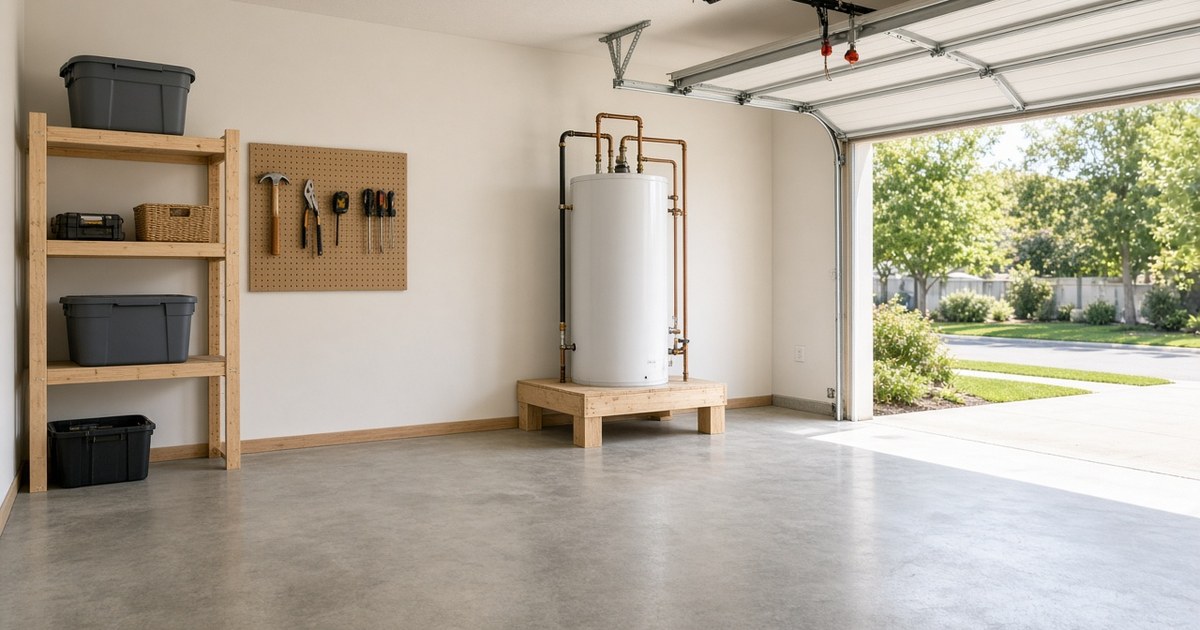
- One ADU and one junior ADU inside the house or an existing accessory structure, such as a garage, with exterior access and setbacks sufficient for fire and safety. An existing accessory structure may expand by up to 150 square feet, limited to accommodating getting in and out.
- One detached, newly built ADU with side and rear setbacks of no more than 4 feet. For this type, a local agency may cap livable space at 800 square feet and apply the state's height limits.
Source: California Government Code §66323(a)(1) and (a)(2)
Your city may allow larger units under its own ADU ordinance. The categories above are the floor the state sets, not the ceiling. Ask your planning department for its ADU rules before you pay for drawings.
The ADU permit timeline
State law puts the review on a clock, in two stages.
Is your application complete? 15 business days
The permitting agency must decide whether your application is complete and tell you in writing within 15 business days of receiving it. If it is incomplete, the notice must list the missing items and explain how to fix them, and when you resubmit, the agency may not ask for items that were not on that list. If the agency misses the deadline, the application is deemed complete.
Source: California Government Code §66317(a)(2)
Approve or deny: 60 days
Where there is already a house on the lot, the agency must approve or deny a complete ADU application within 60 days. If it does neither within 60 days, the application is deemed approved. If you ask for a delay, the clock pauses for the delay. If you apply for the ADU along with a new main house, the agency may wait to act on the ADU until it decides on the house.
Source: California Government Code §66317(a)(3)
If the city says no
A denial must come with a full set of written comments listing what is deficient and how to fix it. The agency must also offer a written appeal, and a final written decision on the appeal is due within 60 business days of receiving it.
Source: California Government Code §66317(b) and (d)
Keep a dated record of every submittal. Those dates are what start the clocks.
Other state rules homeowners ask about
- Fire sprinklers. An ADU or junior ADU does not have to have sprinklers if they are not required for the main house.
- Old zoning problems. A city may not require you to correct nonconforming zoning conditions as a condition of ministerial approval of an ADU.
- Short-term rentals. For units approved under section 66323, the local agency must require that any rental be for a term longer than 30 days.
- Septic systems. If the ADU connects to an onsite wastewater system, the agency may ask for a recent percolation test.
Source: California Government Code §66323(c), (d), (e) and (f)
Fees, utility connections, parking and design standards have their own rules and local details. Confirm them with your city and in HCD's ADU Handbook before you budget.
Hire a licensed contractor for your ADU
An ADU is a major construction project, and California's minor work exemption does not cover it. The contractor licensing law applies to any job of $1,000 or more in labor and materials, and to any job that requires a building permit, whatever the price. Splitting the work into smaller contracts to get under the limit does not avoid it. Our guide to the B general building contractor license explains what that license covers.
Source: California Business and Professions Code §7048
Before you sign, check every contractor's California contractor license on the CSLB website, including the trades that will work on the roof. A home improvement contract over $500 must be in writing, and changes must be in a signed change order before the extra work starts. See how to check a contractor's license in California, unlicensed contractor red flags and how much a contractor can ask for a deposit in California. If a deck is part of the project, read about deck permits in California too.
Source: California Business and Professions Code §7159(b) and (d)
Do not forget the roof
The roof is part of the permitted ADU project. Ask your designer and roofer which roof covering, fire rating and energy rules apply on your lot. If the roof is built by a specialty roofing subcontractor, that company should hold a C-39 roofing license and be licensed and insured. For background, see what is a C-39 roofing license, cool roof and Class A roofing in California and fire resistant roofing in California.
A simple ADU permit checklist
- Read your city's ADU rules and HCD's ADU Handbook.
- Check HOA rules if you have one. See HOA roof approval in California.
- Hire a designer and get plans that meet the objective standards.
- Verify every contractor's license, bond and workers' comp before you sign.
- Submit, and note the date. Track the 15 business day and 60 day clocks.
- Get every change in writing during construction, and keep lien releases. See mechanics lien release in California.
Frequently asked questions
How long does an ADU permit take in California?
By state law, the completeness check is due within 15 business days and a decision within 60 days of a complete application when a house already exists on the lot. Corrections and your own requested delays add time.
Can my city deny an ADU?
Yes, if the application does not meet the rules, but the denial must be in writing with a list of what to fix, and you can appeal.
Can I build an 800 square foot ADU?
For a detached new ADU with 4 foot side and rear setbacks on a single-family lot, section 66323 does not let the city cap livable space below 800 square feet. Other limits may still apply.
Can I rent my ADU on Airbnb?
For units approved under section 66323, rentals must be for more than 30 days. Check your local rules for other ADUs.
Where ConFacts fits
ConFacts focuses on roofing. A ConFacts report is a sourced background check on California C-39 roofing contractors built from public records, including CSLB license status, workers' comp, bond, the qualifier, certifications and reviews, scored from 0 to 100. Your first report is free, then $7, or 3 for $15. We take no money from contractors. We show you the record, you make the decision.
Two companies. Two reports.
Got more than one bid? Check them side by side, against the same records.
Compare bids side by side