Hiring a Solar Contractor in California: A Checklist
Hiring a solar contractor in California? Check the right license, the salesperson's registration, the required solar disclosure forms and your right to cancel.
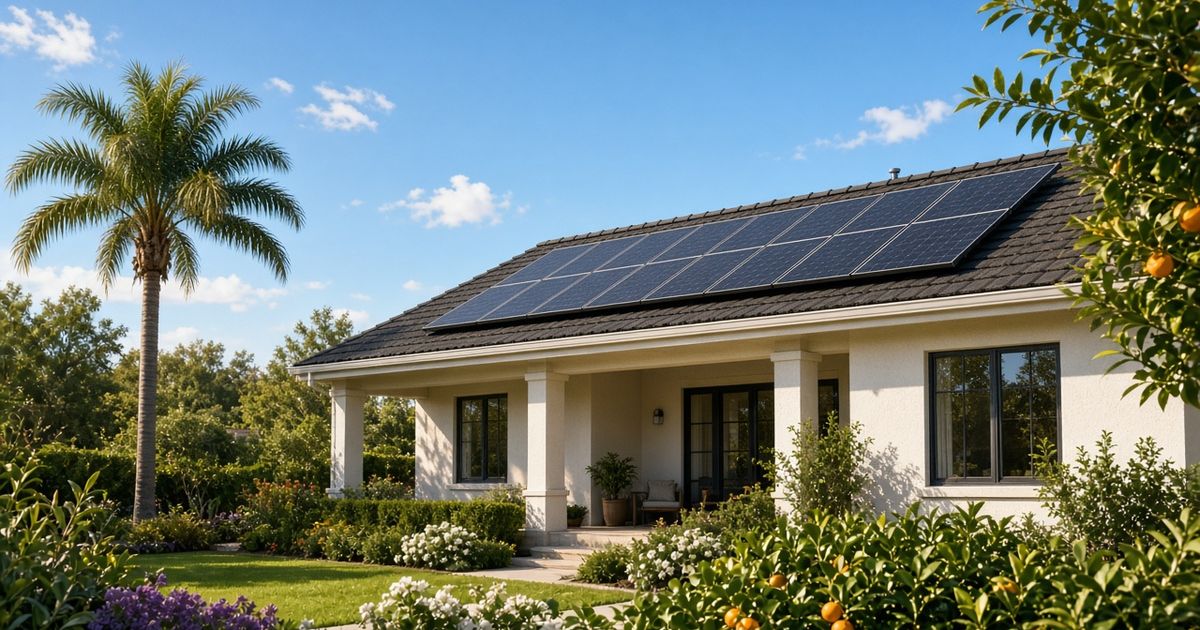
Rooftop solar is one of the biggest home projects many California homeowners take on, and it often starts with a knock on the door or a phone call. A good installation can serve you for years. A bad contract can follow you for just as long. This checklist explains how to hire a solar contractor in California the careful way: which licenses can legally do the work, how to check the salesperson, the disclosure forms the law requires before you sign, your right to cancel, and how your roof fits into the decision.
Which licenses can install solar in California?
The Contractors State License Board (CSLB) says thousands of licensed contractors can legally install photovoltaic solar energy systems because they hold one or more of these classifications:
- A, General Engineering.
- B, General Building, within the definition of Business and Professions Code section 7057, since a solar system uses two unrelated building trades.
- C-10, Electrical, for any solar project that generates, transmits, transforms or uses electrical energy.
- C-46, Solar, which installs, modifies, maintains and repairs thermal and photovoltaic solar energy systems.
CSLB also lists C-4 Boiler, Hot-Water Heating and Steam Fitting contractors for projects that include solar heating, and says not to use a contractor who is not licensed to perform solar work.
Source: CSLB, "Solar Smart," cslb.ca.gov/solar, read November 22, 2026
What a C-46 solar contractor can and cannot do
CSLB's classification says a C-46 licensee shall not undertake or perform building or construction trades, crafts or skills, except when required to install a thermal or photovoltaic solar energy system.
Source: CSLB, "C-46 - Solar Contractor," Licensing Classifications Detail, cslb.ca.gov, read November 22, 2026
That matters if your project also needs roof work. Re-roofing is roofing work, generally done by a C-39 roofer or as part of a larger project by a B general contractor. Our guides on what a C-39 roofing license allows and what a B general building contractor license allows explain the difference.
Check the license and the salesperson
The California Public Utilities Commission (CPUC) Solar Consumer Protection Guide says to get the solar provider's CSLB license number before you sign, and if you were contacted by a telephone or door-to-door salesperson, to ask for their individual home improvement salesperson (HIS) registration number. It says to check both and make sure they are valid and associated with the solar provider, and that the license must be active and in classification C-46, C-10 or B.
Source: CPUC, "California Solar Consumer Protection Guide," cpuc.ca.gov/solarguide, read November 22, 2026
Our guide to home improvement salesperson rules in California explains HIS registration, and our walkthrough on how to check a contractor's license in California shows where to look on the CSLB record.
The solar energy system disclosure document
California requires a standard disclosure package for residential solar. The CPUC says that by law a solar provider must give you a completed Solar Energy System Disclosure Document created by CSLB: a one-page cover showing the total costs, plus supporting information that summarizes your financial obligations and gives a standardized bill savings estimate.
Source: CPUC, "California Solar Consumer Protection Guide," cpuc.ca.gov/solarguide, read November 22, 2026
The CPUC says solar customers must receive these documents before a contract is signed, and that both documents must be submitted to the utility for a solar interconnection application to be considered complete.
Source: CPUC, "CSLB Disclosure Documents," cpuc.ca.gov, read November 22, 2026
What to look for on the forms
The CPUC lists information the forms contain, including the total system cost, monthly costs, interest rates or escalators that may affect your payments, a standardized bill savings estimate, and the inputs and assumptions used to calculate it. It also warns to beware of a provider who says solar is free, and notes that a bill savings estimate is not a guarantee.
Source: CPUC, "California Solar Consumer Protection Guide," cpuc.ca.gov/solarguide, read November 22, 2026
Your right to cancel a solar contract
CSLB's disclosure cover page says that if the contract was not negotiated at the contractor's place of business, you have a three-day right to cancel under Business and Professions Code section 7159, by written notice delivered by midnight of the third business day after you receive a signed and dated copy of the contract.
Source: CSLB, "Solar Energy System Disclosure Document," cslb.ca.gov, read November 22, 2026
The CPUC guide adds that people over 65 have five days to cancel.
Source: CPUC, "California Solar Consumer Protection Guide," cpuc.ca.gov/solarguide, read November 22, 2026
For the general rules, see our guide on how to cancel a home improvement contract in California.
Leases, loans and selling your home
How you pay changes what you sign. The CPUC notes that customers with a solar loan, lease or power purchase agreement also receive a monthly bill from a loan company or solar provider, and that PACE financing is repaid with your property taxes or mortgage payment. It suggests asking what happens if a future buyer does not want, or does not qualify to take over, a lease, PPA or PACE-financed system, and whether there are fees to transfer or end the contract early.
Source: CPUC, "California Solar Consumer Protection Guide," cpuc.ca.gov/solarguide, read November 22, 2026
CSLB's Solar Smart page also tells homeowners to watch for contract language that allows the company to place a lien on your home or accelerate payments if you miss one.
Source: CSLB, "Solar Smart," cslb.ca.gov/solar, read November 22, 2026
If you are comparing financing for a roof and solar together, our guide on roof financing in California covers the common options.
Is your roof ready for solar?
The CPUC guide asks whether your roof gets good sun, says roofs that are mostly shaded or face due north are not good candidates, and advises that if you plan to replace your roof soon, you should replace it before installing a rooftop system. If you are replacing the roof anyway, compare solar shingles vs solar panels.
Source: CPUC, "California Solar Consumer Protection Guide," cpuc.ca.gov/solarguide, read November 22, 2026
Our guide on whether to replace your roof before solar goes deeper. Ask the installer how they will seal every roof penetration and who warrants the roof around the mounts.
Questions to ask a solar contractor
• What is your CSLB license number and classification, and what is the salesperson's HIS registration number?
• Will your own crew install the system, or a subcontractor?
• Can I see the completed disclosure cover page and supporting information before I sign?
• How will you attach and seal the mounts, and who warranties roof leaks?
• What happens to the system and contract if I sell the house?
Frequently asked questions
What license does a solar installer need in California?
CSLB lists A, B, C-10 and C-46 classifications as able to install photovoltaic systems. The CPUC guide says a solar provider's license must be active and in C-46, C-10 or B, and that door-to-door or phone salespeople should give you their HIS registration number.
Can a solar company replace my roof?
A C-46 contractor cannot take on other building trades except as required to install the solar system. Roof replacement calls for the right license, such as C-39 roofing.
How long do I have to cancel a solar contract?
Generally three business days for contracts not negotiated at the contractor's place of business, and the CPUC says five days for people over 65.
Is a solar bill savings estimate guaranteed?
No. The CPUC notes that a bill savings estimate is not a guarantee.
If your solar job includes a new roof
If the plan includes re-roofing first, run a ConFacts check on your California roofing contractor. You get a sourced background check from public records, including CSLB license status, workers' comp, bond, the qualifier, certifications and reviews, with a 0 to 100 Trust Score. Your first report is free, then $7, or 3 for $15. We take no money from contractors. We show you the record, you make the decision.
Two companies. Two reports.
Got more than one bid? Check them side by side, against the same records.
Compare bids side by side