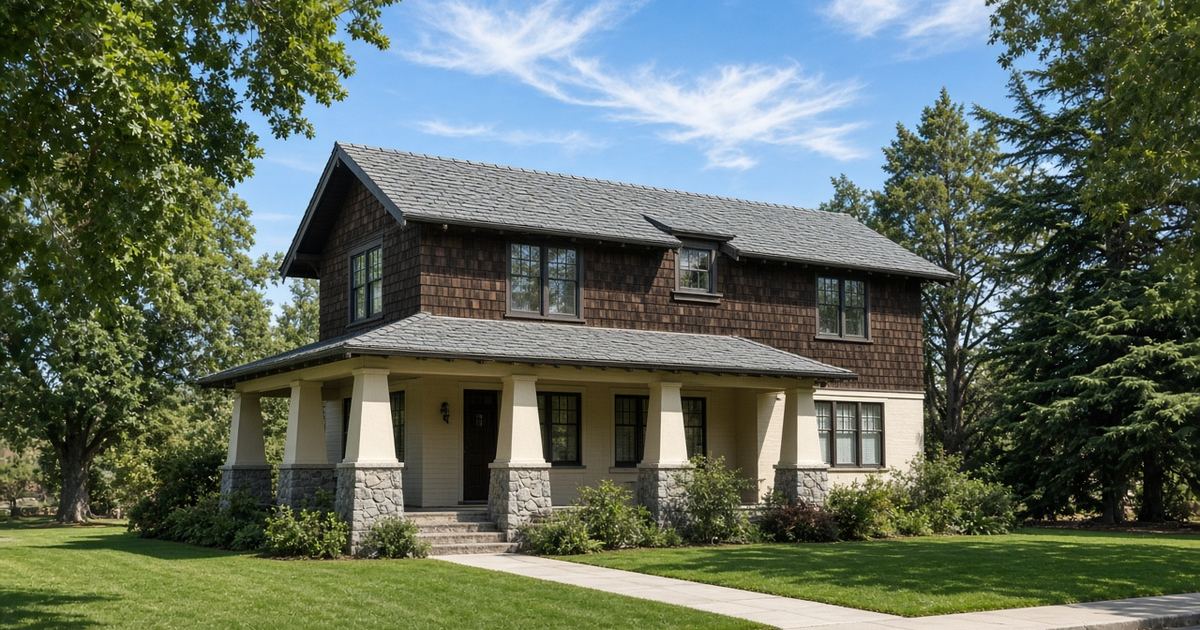
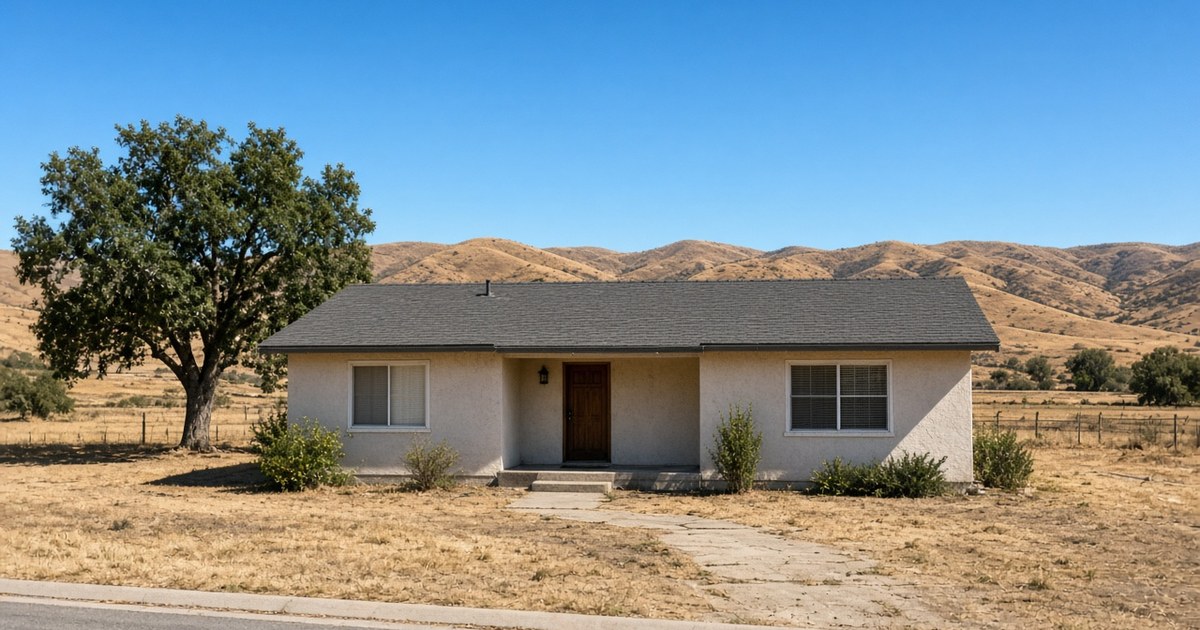
Solar Shingles vs Solar Panels: Which Fits?
Solar shingles replace part of your roof, while solar panels mount above it. Compare looks, roof timing, fire listings, leaks and repairs in California.
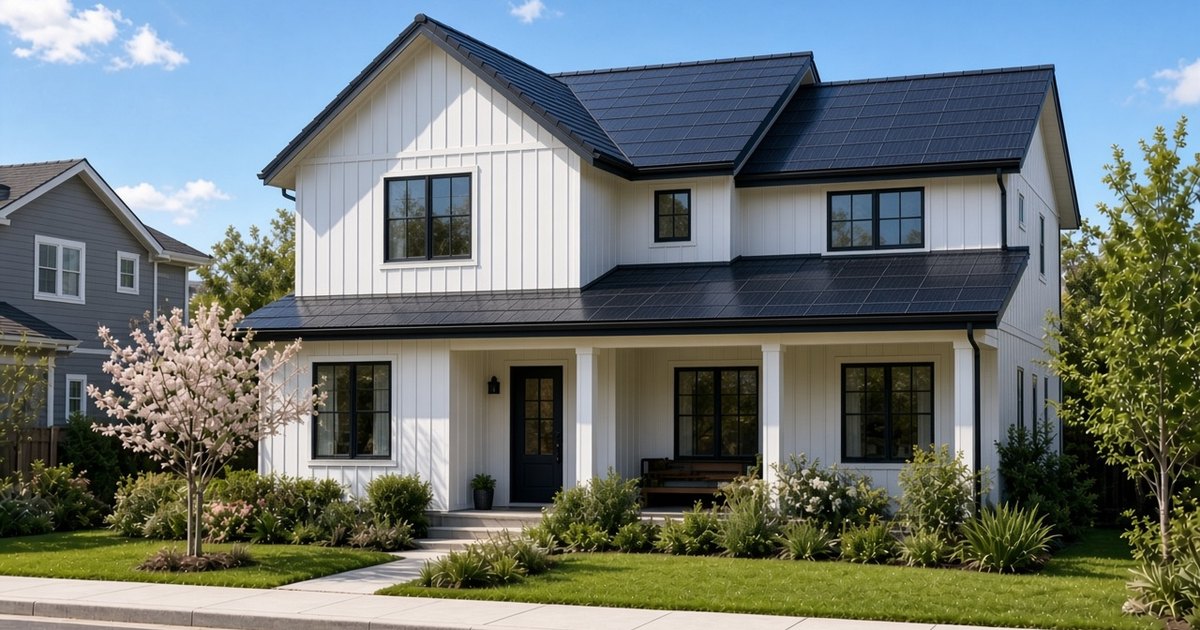
If you want solar on a California home, you have two very different ways to put it on the roof. Standard solar panels sit on rails above your existing roofing. Solar shingles, also called solar roof tiles or building-integrated photovoltaics, are the roofing itself. This guide compares solar shingles vs solar panels on looks, cost questions, roof timing, leaks, fire listings, repairs and incentives, so you can ask the right questions before you sign.
Source: IRS, "Residential Clean Energy Credit," irs.gov; California Public Utilities Commission, "Customer Generation," cpuc.ca.gov; 2025 California Residential Code, Section R905.15.2, via up.codes; all read November 27, 2026; code citation rechecked against the 2025 edition on November 28, 2026
What is the difference?
Solar panels
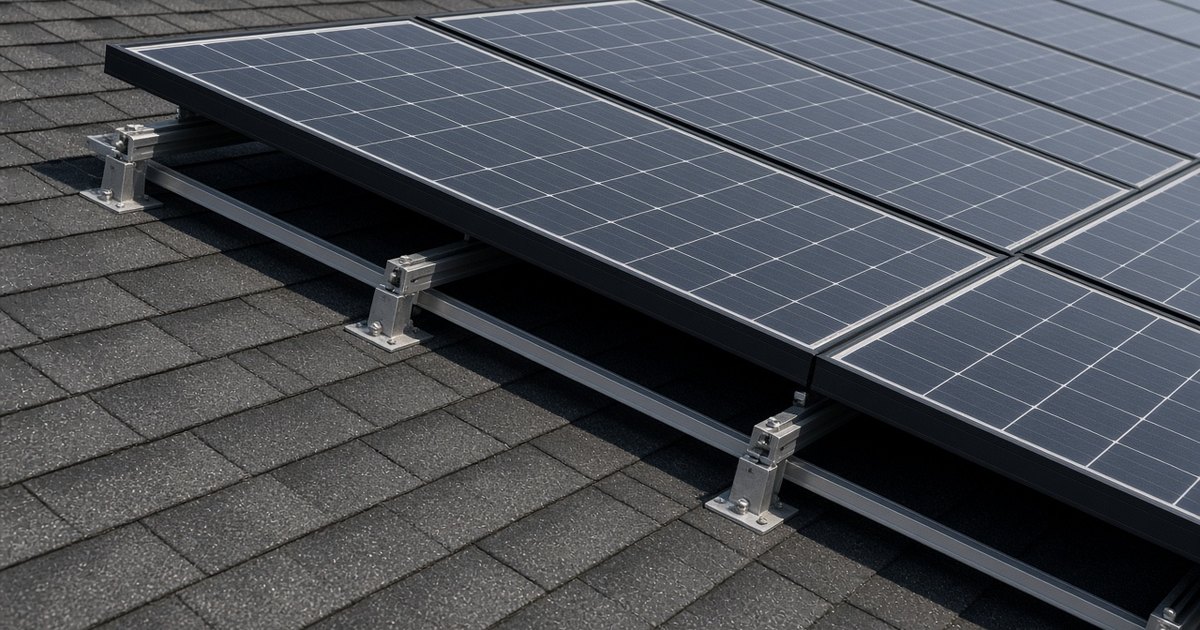
Standard panels are framed modules bolted to rails, and the rails attach to the roof framing through mounting feet. Your shingles, tile or other roofing stay in place underneath, and there is an air gap between the panels and the roof. Because the panels are a separate system, they can be removed and reinstalled when the roof below needs work.
Solar shingles
Solar shingles are made to be the roof covering on part or all of the roof, so they sit flush and blend in. The U.S. Department of Energy notes that building-integrated photovoltaics let homeowners change how solar looks so it matches its surroundings. In the California Residential Code, solar shingles, now called BIPV shingles, have their own section: they must meet the solar and electrical code rules, be fastened to structural panels or solid or closely fitted sheathing, and be used only on slopes of 2 in 12 or steeper.
Source: U.S. Department of Energy, "Homeowner's Guide to Going Solar," energy.gov; 2025 California Residential Code, Sections R905.15 through R905.15.2, via up.codes; both read November 27, 2026; code citation rechecked against the 2025 edition on November 28, 2026
Cost, output and incentives
Prices for both options vary widely by product, system size, roof shape and installer, and solar shingles also replace roofing you would otherwise buy. We do not quote price ranges here. Ask each installer for a written bid that separates the solar equipment, the roofing work, the electrical work and permits, so you can compare like for like. If you plan to borrow for the roofing part, our guide to roof financing in California explains the common loan types and what to read before you sign.
For output, the Department of Energy says panels typically perform best on south facing roofs with a slope between 15 and 40 degrees, and that heavy shade from trees can make a rooftop system a poor fit. Ask any installer for a production estimate for your actual roof faces, and whether the estimate is a guarantee or only a projection.
Source: U.S. Department of Energy, "Homeowner's Guide to Going Solar," energy.gov, read November 27, 2026
The federal credit has ended
Many older ads still mention a federal solar tax credit. The IRS says the Residential Clean Energy Credit is not available for property placed in service after December 31, 2025. While it lasted, the IRS treated solar roofing tiles and solar shingles as eligible, but not traditional shingles that simply support panels. If a salesperson builds a 2026 savings estimate around that credit, ask them to remove it, and check your own situation with a tax professional.
Source: IRS, "Residential Clean Energy Credit," irs.gov, read November 27, 2026
How your utility credits solar
The California Public Utilities Commission says that since April 15, 2023, customers applying to connect solar have taken service on the net billing tariff, and the older net energy metering tariffs are closed to new enrollments. That covers the large utilities the commission regulates; if a city utility serves you, ask it how it credits solar. Ask how a savings estimate accounts for net billing on your utility rate.
Source: California Public Utilities Commission, "Customer Generation," cpuc.ca.gov, read November 27, 2026
Ask the installer: does this savings estimate include any expired tax credit, and which utility tariff does it assume?
Your roof's age and timing
The Department of Energy tells homeowners to consider the age of the roof and how long until it needs replacement before adding solar. That question shapes this choice more than any other.
- If your roof is newer, panels let you keep it, and solar shingles would mean removing good roofing.
- If your roof is near the end of its life, you can either replace it first and add panels, or replace part of it with solar shingles. Our guide on whether to replace your roof before solar walks through that decision.
- If you are not sure how much life is left, our guide to how long a roof lasts in California can help you estimate it before you get bids.
Source: U.S. Department of Energy, "Homeowner's Guide to Going Solar," energy.gov, read November 27, 2026
Leaks, fire listings and repairs
Where water can get in
With panels, the roof is pierced at each mounting foot, so flashing at those points matters. If a roof starts leaking after a panel install, our guide to a roof leaking under solar panels explains how to find the source and who to call. With solar shingles, the solar product is the water barrier, so the quality of its own flashing and seams matters, and the underlayment below must meet the code.
Fire listings
The code treats the two differently. Building-integrated products installed as the roof covering must be tested, listed and labeled for fire classification under UL 7103. Rack mounted panel systems must be tested, listed and identified with a fire classification under UL 2703 and installed according to their listing. Ask for the listing that applies to the product in your bid.
Source: 2025 California Residential Code, Sections R902.3 and R902.4, via up.codes, read November 28, 2026
Repairs and future roof work
Panels can usually be detached and reset when the roof below needs work, at a cost you should ask about up front. With solar shingles, a repair may need someone trained on that specific product. Ask who services it, how parts are sourced, and how long the installer has offered it.
Questions to ask the solar installer
• Which license classifications do you hold for the solar, roofing and electrical parts of this job?
• How old is my roof, and do you recommend replacing it first?
• What fire listing applies to this product, UL 7103 or UL 2703?
• How are roof penetrations or solar shingle seams flashed, and who warrants against leaks?
• What will it cost to remove and reinstall panels for a future reroof?
• Does your savings estimate assume net billing, and does it leave out the expired federal credit?
Frequently asked questions
Are solar shingles better than solar panels?
Is there still a federal tax credit for solar shingles?
Do solar panels damage the roof?
Who can install solar shingles in California?
Source: Contractors State License Board, "Solar Smart," cslb.ca.gov, read November 27, 2026
Check the contractor before you sign
Solar is a large purchase that touches your roof and your power. Our checklist for hiring a solar contractor in California covers disclosures and your right to cancel, and our guide to reading a contractor's license explains the record. Before you sign, run a ConFacts check on the solar contractor to review the state license, bond and workers' comp records in one place.
Two companies. Two reports.
Got more than one bid? Check them side by side, against the same records.
Compare bids side by side