Stone-Coated Steel Roofing: Pros and Cons
Stone-coated steel roofing looks like shake, tile or shingle but weighs far less. Learn how it is made, how it handles fire and wind, and how to judge a bid.
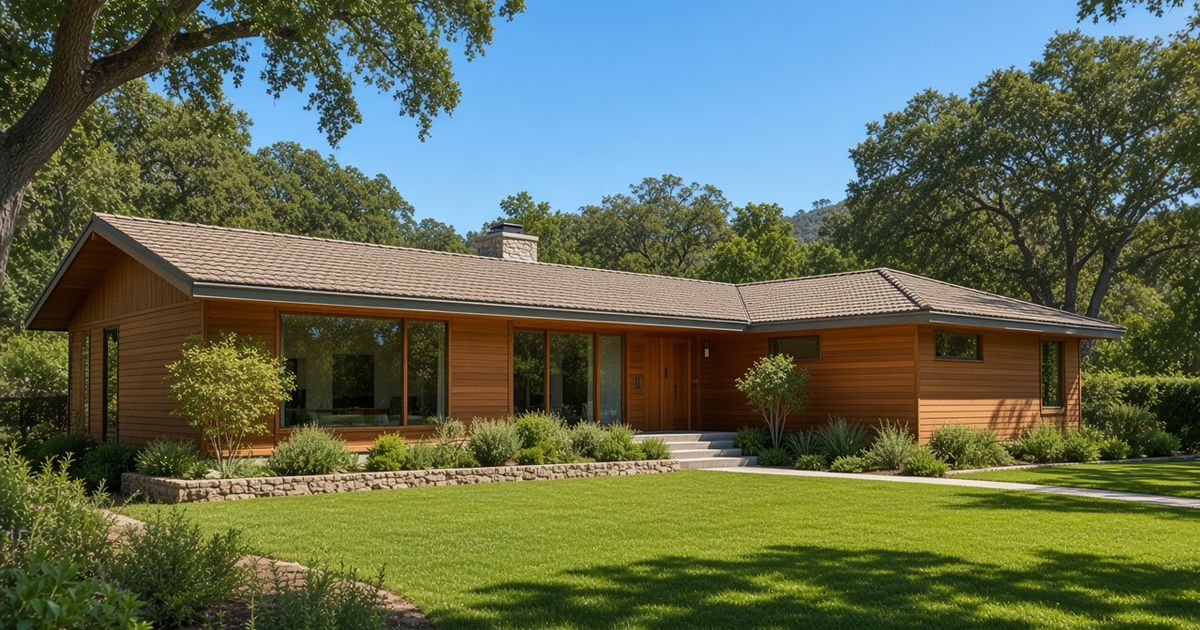
Stone-coated steel roofing is a metal roof dressed up to look like something else. From the street it can pass for wood shake, clay tile, slate or shingles, but underneath the texture is a light steel panel. This guide explains what stone-coated steel roofing is, how it handles fire, wind and hail, what the installation involves, and the questions that help you judge a bid for a California home.
Source: Metal Construction News, "The Stone-Coated Steel Roofing System," metalconstructionnews.com; InterNACHI, "Standard Estimated Life Expectancy Chart for Homes," nachi.org; both read November 27, 2026
What is stone-coated steel roofing?
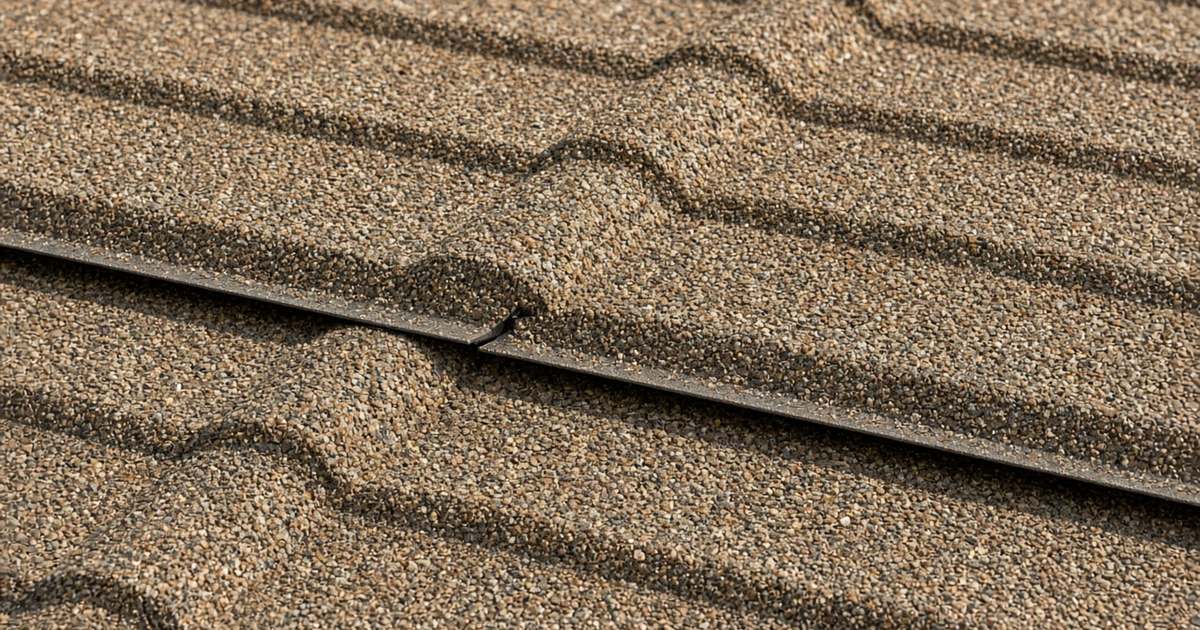
Stone-coated steel panels start as steel coated with an aluminum and zinc alloy, often sold under the trade name Galvalume, to resist rust. Stone granules are then bonded to the surface with acrylic adhesives. The trade publication Metal Construction News describes the result as a lightweight roof of about 1.5 pounds per square foot that comes in profiles mimicking shake, slate, tile and shingle.
Source: Metal Construction News, "The Stone-Coated Steel Roofing System," metalconstructionnews.com, read November 27, 2026
Why homeowners consider it
- The look of tile or shake without the weight. Clay and concrete tile are far heavier, as our guide to clay vs concrete roof tiles explains, so stone-coated steel can suit homes whose framing was never built for tile.
- A replacement for an old wood roof. Many owners look at it when replacing a wood shake roof in California, because it can keep a textured look.
- Long life. InterNACHI, a home inspector association, estimates metal roofing at 40 to 80 years.
Source: InterNACHI, "Standard Estimated Life Expectancy Chart for Homes," nachi.org, read November 27, 2026
Switching from tile or shingles
If your home has tile today, moving to stone-coated steel takes weight off the framing, but the old tile has to come off first, because the code does not allow a new roof to be laid over clay or cement tile. If you have shingles, ask whether the product can go over them or needs a tear-off, and whether the deck needs repair either way.
Source: 2025 California Residential Code, Section R908.4, via up.codes, read November 28, 2026
Fire, wind and hail performance
Fire
Fire rating matters a lot in California. According to Metal Construction News, metal roofing can reach a Class A fire rating when it is used with specific underlayment materials. That means the rating belongs to the whole assembly, not the panel alone, so a bid should name the underlayment that the product's Class A listing calls for. If you live in a fire hazard severity zone, read our guide to a wildfire-ready roof in California as well.
Wind and hail
The same publication reports Class 4 impact ratings for stone-coated steel roof systems that can withstand 2 inch hail, and says most products carry wind warranty coverage up to 120 miles per hour. Those are product claims, so ask for the actual test listing and the warranty document for the exact panel in your bid.
Source: Metal Construction News, "The Stone-Coated Steel Roofing System," metalconstructionnews.com, read November 27, 2026
Ask the roofer: which underlayment does this panel need for its Class A rating, and is that what you priced?
How it is installed
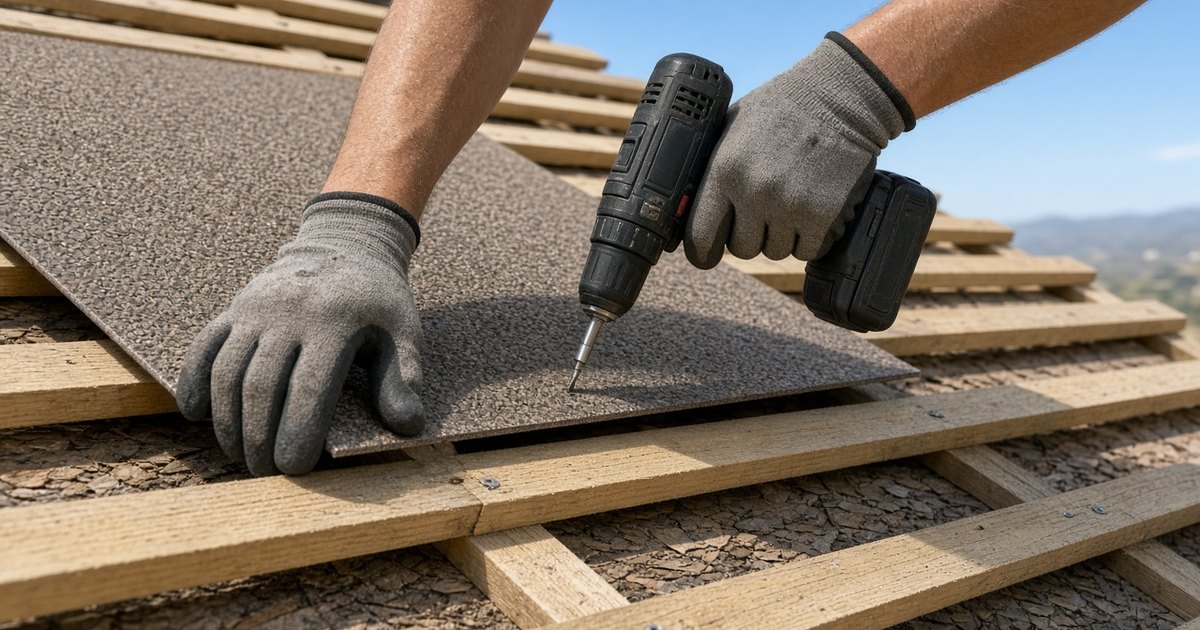
Stone-coated steel can go on with or without wood battens. In a batten system, panels hook over strips of wood fastened across the roof, and screws or nails go through the front nose of each panel into the batten, where rain runoff does not hit them directly. The trade publication's installation guidance also calls for corrosion resistant fasteners, a minimum underlayment, and keeping copper and lead flashing away from Galvalume panels to avoid corrosion between different metals.
Source: Metal Construction News, "The Stone-Coated Steel Roofing System," metalconstructionnews.com, read November 27, 2026
What the code asks for
Where a stone-coated steel product is installed as metal roof shingles, the California Residential Code says it goes on a solid or closely fitted deck unless the product is designed for spaced sheathing, uses compliant underlayment and corrosion resistant materials, and is wind tested to a listed standard. Your roofer should be able to show the product listing and the manufacturer's installation instructions. Our guide to roof underlayment explains what that hidden layer does.
Source: 2025 California Residential Code, Sections R905.4.1, R905.4.3, R905.4.4 and R905.4.4.1, via up.codes, read November 28, 2026
Noise, walking and upkeep
How a metal roof sounds in rain depends a lot on what sits under it, such as solid decking, underlayment and attic insulation, so ask the roofer how your roof will be built rather than relying on general claims. Walking on the panels takes care: the installation guidance says to step on the front lip where the batten supports it and to use fall protection. Minor scuffs in the stone finish can usually be touched up, but ask what touch up materials come with the job.
Like any metal roof, stone-coated steel can leak at flashing, penetrations and damaged fasteners. Our guide to metal roof leaks covers the usual causes and repairs.
Cost and how to judge a bid
Stone-coated steel prices vary with the profile, the panel line, whether battens are used, how much tear-off and deck repair is needed, and the trim and flashing your roof needs. We do not quote a price range here, because only a written bid for your roof is reliable. When you compare bids, check that each one lists:
- The panel profile and product line, plus color.
- Battens or direct to deck, and the fastener type.
- The underlayment, matched to the fire rating listing.
- Ridge, hip, valley, wall and penetration flashing, and what metal they are made of.
- Tear-off, disposal and deck repair, priced per sheet.
- The manufacturer warranty and the roofer's own workmanship warranty, in writing.
Our guide to tile and metal roof warranties explains how product and workmanship coverage differ.
Questions to ask about a stone-coated steel roof
• Which panel and profile are you proposing, and can I see a finished roof that uses it?
• Will you install on battens or directly on the deck, and why?
• What underlayment does the Class A fire listing require, and is it in the price?
• What flashing metal will you use around chimneys, walls and vents?
• Have you installed this product before, and do you follow the maker's instructions?
• What do the product warranty and your workmanship warranty each cover?
Frequently asked questions
Is stone-coated steel roofing worth it?
How long does a stone-coated steel roof last?
Is stone-coated steel fire rated?
Is a stone-coated steel roof noisy in rain?
Check the roofer before you sign
Stone-coated steel is a specialty install, so experience with the exact product matters. In California the license classification for roofing is C-39, and our guide to the C-39 roofing license explains what it covers. Before you sign, run a ConFacts check on the metal roofer to review the state license, bond and workers' comp records in one place.
Source: Contractors State License Board, "Licensing Classifications," cslb.ca.gov, read November 27, 2026
Two companies. Two reports.
Got more than one bid? Check them side by side, against the same records.
Compare bids side by side