Radiant Barriers in California Attics Explained
A radiant barrier can cut attic heat in hot California areas. Learn how it works, realistic savings, where it goes, mistakes to avoid and what to ask a roofer.
If your upstairs rooms bake every summer, someone has probably suggested a radiant barrier. It is a shiny foil layer in the attic that reflects heat from a hot roof before it reaches your insulation and ceilings. In the hot inland parts of California it can help, but the savings are often oversold. This guide explains how a radiant barrier works, what real savings look like according to federal research, where it should go, and how to fit it into a roof replacement.
Source: Building America Solution Center, "Attic Radiant Barriers," basc.pnnl.gov; U.S. Department of Energy Building America, "Installing a Radiant Barrier in the Attic," basc.pnnl.gov; both read November 28, 2026
What a radiant barrier does
A roof in full sun gets very hot. A Department of Energy Building America brief says the sun can push roof surface temperatures over 160 degrees Fahrenheit in hot climates, and that heat radiates down to the attic insulation and the ceiling below. A radiant barrier is a layer of reflective aluminum foil placed next to an air space in the attic. It reflects that radiant heat and gives off very little heat itself.
Source: Building America Solution Center, "Attic Radiant Barriers," and DOE Building America brief, basc.pnnl.gov, read November 28, 2026
Radiant barrier vs insulation
Insulation slows heat moving through a material. A radiant barrier blocks heat that travels as radiation across the attic air. They work together, but they are not the same. A foil layer does not replace the insulation on your attic floor, and adding foil does little if your real problem is missing insulation or leaky ducts. Our guide to roof ventilation and attic heat covers the other parts of a cooler attic.
How much a radiant barrier really saves
Federal research gives a clear, modest picture. The Building America Solution Center says a radiant barrier system can cut heat flow into the house from the attic by about 40 percent. It stresses that this does not mean a 40 percent cut in your energy use, as many advertisers claim. It means the attic's share of the cooling load drops by about 40 percent, which typically works out to 8 to 12 percent of annual cooling costs.
Source: Building America Solution Center, "Attic Radiant Barriers," basc.pnnl.gov, read November 28, 2026
Where it helps most in California
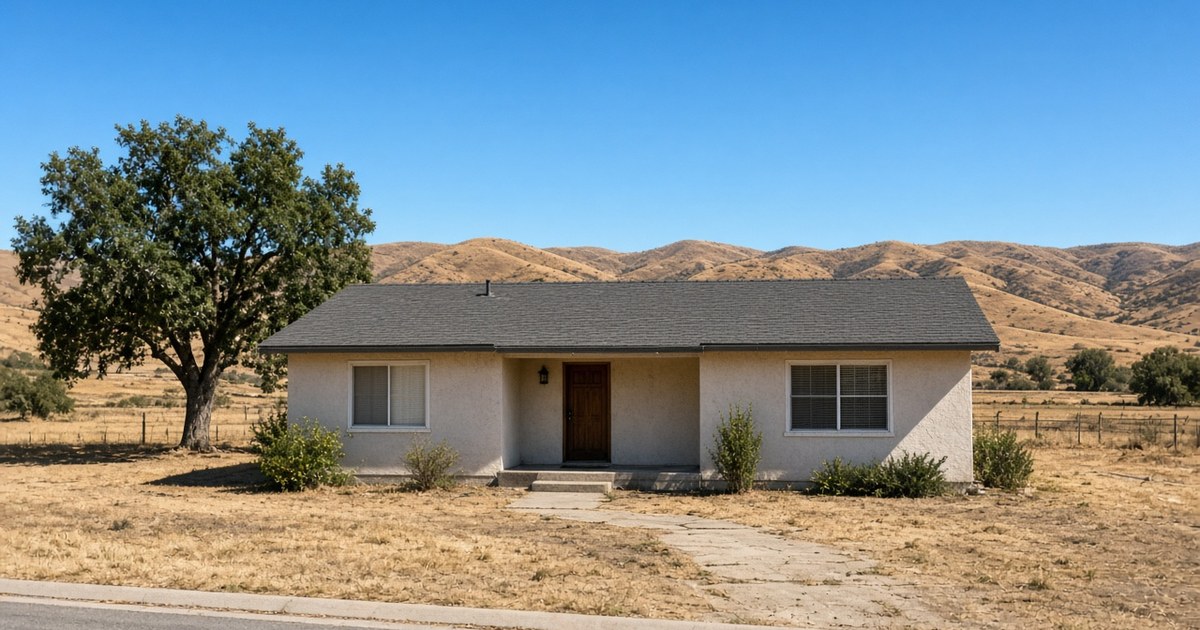
The DOE brief says radiant barriers can be cost-effective in hot-dry and hot-humid climates on roofs that get direct summer sun, but are seldom cost-effective in marine climates with moderate temperatures. In California terms, a home in the Central Valley, the Inland Empire or the desert is a much better candidate than a foggy coastal home. The Solution Center adds two more points: if your attic already has R-30 or better insulation, there is little heat flow left to reduce, but if your heating and cooling ducts run through the attic, a radiant barrier keeps them cooler in summer, which can be a real benefit.
Source: DOE Building America brief and Building America Solution Center, basc.pnnl.gov, read November 28, 2026
Where the radiant barrier goes
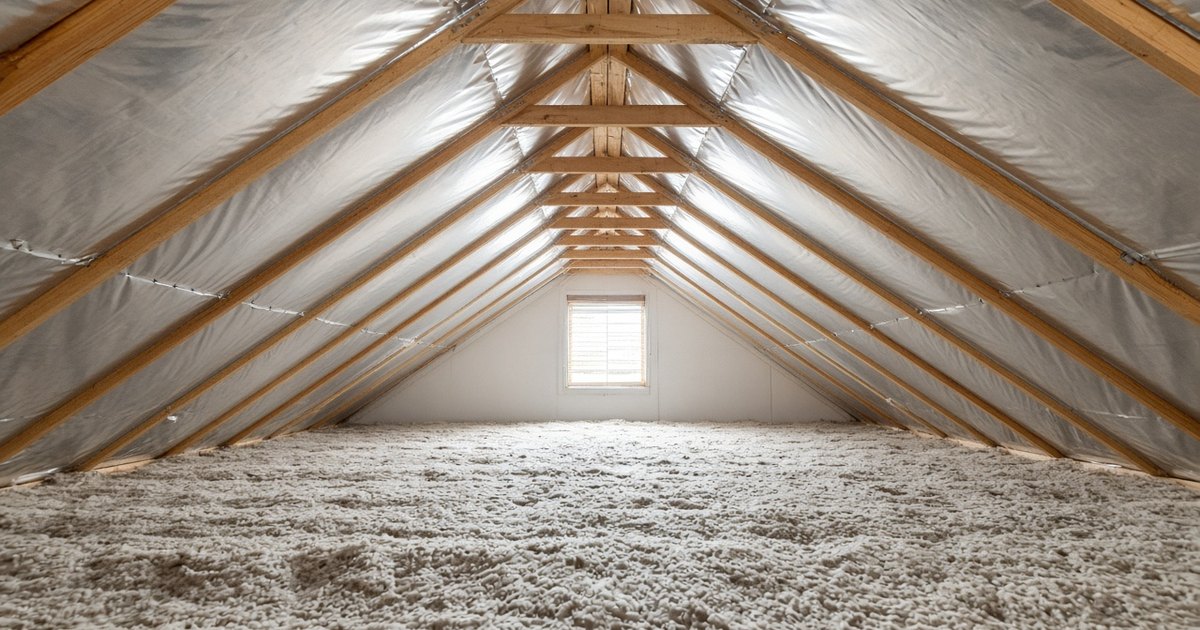
The Solution Center describes several ways to install one:
- Roof sheathing with the foil already laminated to one side.
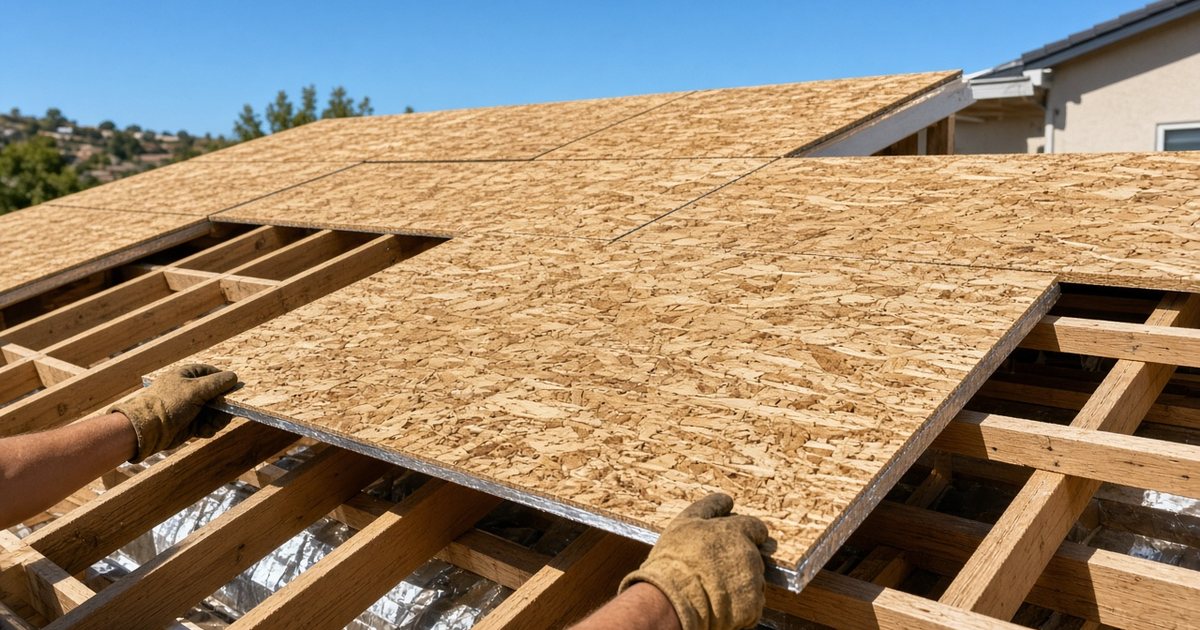
- Foil attached to the underside of the roof deck before the deck goes on.
- Foil attached to the underside of the rafters or the top of the roof trusses after the deck is on.
- Foil laid over the rafters or trusses before the deck is installed.
It recommends sheet foil near the roof, not lying on top of the attic floor insulation, because dust will settle on it there. Single-sided foil should face down, toward the attic. Because the barrier works on radiated heat, there is no need to block airflow. When foil is hung from rafters, a gap should be left at the soffit and at the ridge so ventilation keeps working.
Source: Building America Solution Center, "Attic Radiant Barriers," basc.pnnl.gov, read November 28, 2026
Ask the contractor: where exactly will the foil go, which side will face down, and how will you keep the soffit and ridge vents open?
Foil on top of insulation
The DOE brief warns that a contractor should not install a radiant barrier in contact with attic floor insulation, because moisture can be trapped under it and create a risk of mold and wood rot. Our guide to attic mold after a roof leak explains how damp attics lead to mold. The brief also recommends a perforated product when sheeting is attached to rafters or trusses, since it is less likely to trap vapor.
Source: DOE Building America brief, "Installing a Radiant Barrier in the Attic," basc.pnnl.gov, read November 28, 2026
Paying for promises
Be careful with any sales pitch that promises huge cuts to your power bill. Federal research points to savings on cooling costs, not your whole bill, and the benefit shrinks if your attic is already well insulated or you live near the coast. Ask for a written scope and compare it with other ways to cool your home, such as more insulation or sealing ducts. Our guide to cool roofs in California explains another option that works on the roof surface itself.
Adding a radiant barrier during a re-roof
The easiest time to add a radiant barrier is when the roof deck is replaced. The DOE brief notes that if a re-roofing project includes replacing the deck, you can choose sheathing with a foil underside, installed foil side down. If your deck stays, perforated sheeting can be attached to the rafters or trusses from inside the attic instead.
Source: DOE Building America brief, "Installing a Radiant Barrier in the Attic," basc.pnnl.gov, read November 28, 2026
If you are already planning a new roof, our guide to what a new roof costs in California explains how bids are built, and how to compare roofing bids shows how to line up options like foil-faced sheathing side by side. If damaged decking will be replaced anyway, see roof decking dry rot replacement.
Questions to ask before adding a radiant barrier
• How much insulation is in my attic now, and would more insulation help more?
• Do my ducts run through the attic?
• Where will the radiant barrier go, and which way will the foil face?
• Is the product perforated, and how will attic ventilation stay open?
• What cooling savings do you expect, and what is that estimate based on?
• If I am re-roofing, what would foil-faced sheathing add to the bid?
Frequently asked questions
Is a radiant barrier worth it in California?
How much does a radiant barrier save?
Which way should the foil face?
Can a radiant barrier go on top of my insulation?
Check the contractor before you sign
Whoever installs your radiant barrier will be working in your attic and often on your roof. Before you sign, read our before-you-sign checklist and run a ConFacts check on the contractor to review the state license, bond and workers' comp records in one place.
Two companies. Two reports.
Got more than one bid? Check them side by side, against the same records.
Compare bids side by side