Roof Leaking Under Solar Panels? What to Do
Roof leaking under your solar panels? Learn the common causes, how to find the source, who to call first in California, and what to check in your warranties.
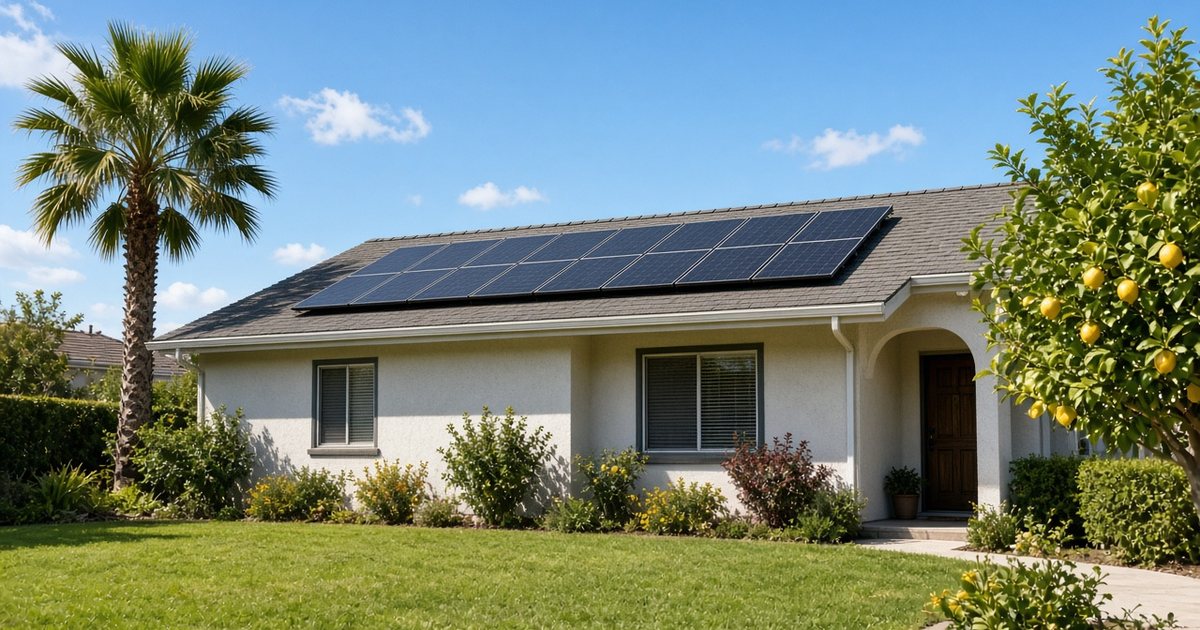
A water stain on the ceiling is stressful on any home. When the stain sits under your solar panels, it also raises a hard question: is this a roof problem or a solar problem? This guide explains why you may find a roof leaking under solar panels, how to narrow down the source, who to call first in California, and how to protect yourself with your warranties and paperwork.
Source: CSLB, "Solar Smart," Solar Complaints Report FY 2022/2023 (July 1, 2022 to June 30, 2023; 1,625 complaints investigated as of August 30, 2023), cslb.ca.gov/solar, read November 23, 2026
Why roofs leak under solar panels
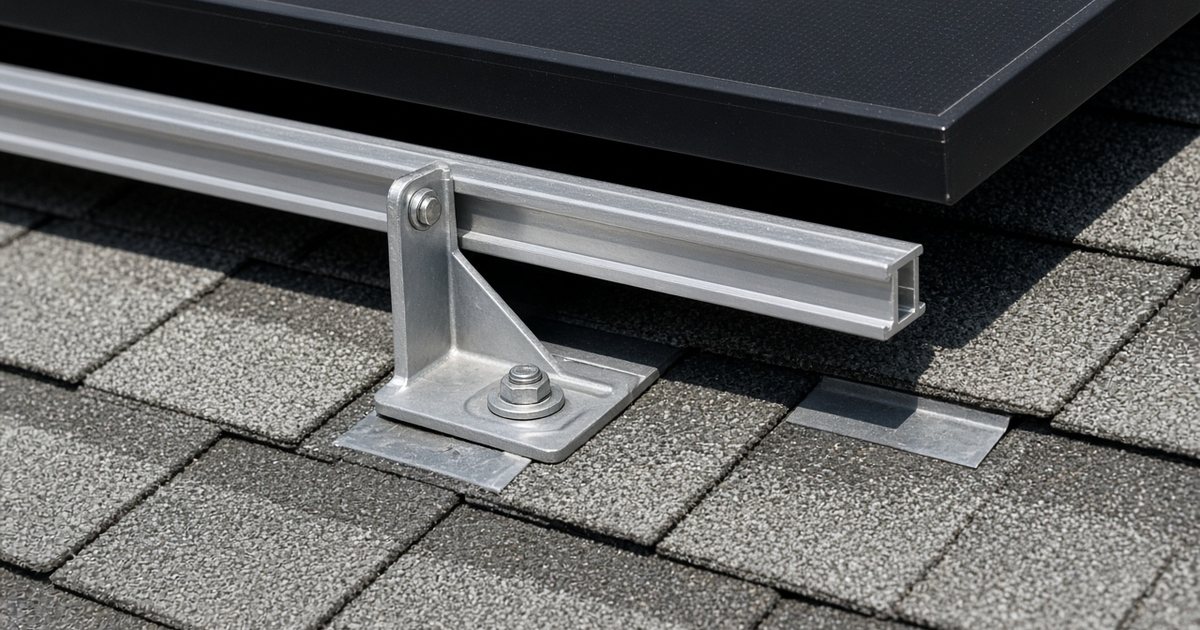
Most rooftop solar systems sit on metal rails. The rails are held up by mounting feet, and on many roofs each foot is fastened with a lag bolt through the roofing into a rafter. Every one of those bolts is a hole in your roof. A good installer seals each one with flashing that slides under the shingles above it, so water runs over the top instead of into the hole.
The most common causes
- Missing or poorly fitted flashing. If a mount relies only on sealant, the sealant can dry out and crack after a few California summers.
- A bolt that missed the rafter. A lag bolt that misses the framing leaves an open hole in the deck that may not be obvious from above.
- Cracked tiles or shingles. Walking on a tile roof during installation can break tiles, and a broken tile may not leak until the first heavy rain.
- Wire and conduit openings. Where wiring passes through the roof, the opening needs its own flashed and sealed fitting.
- An old roof under new panels. Sometimes the solar work is fine and the roof itself has simply reached the end of its life.
Flashing is the part that decides most of these outcomes. Our guide to roof flashing and how it stops leaks explains how it should lap and why caulk alone is a short term fix.
How to find the source of the leak
You do not need to climb on the roof to gather useful clues. Stay off it, especially near panels and wiring. Instead, start inside.
Check the attic and ceiling
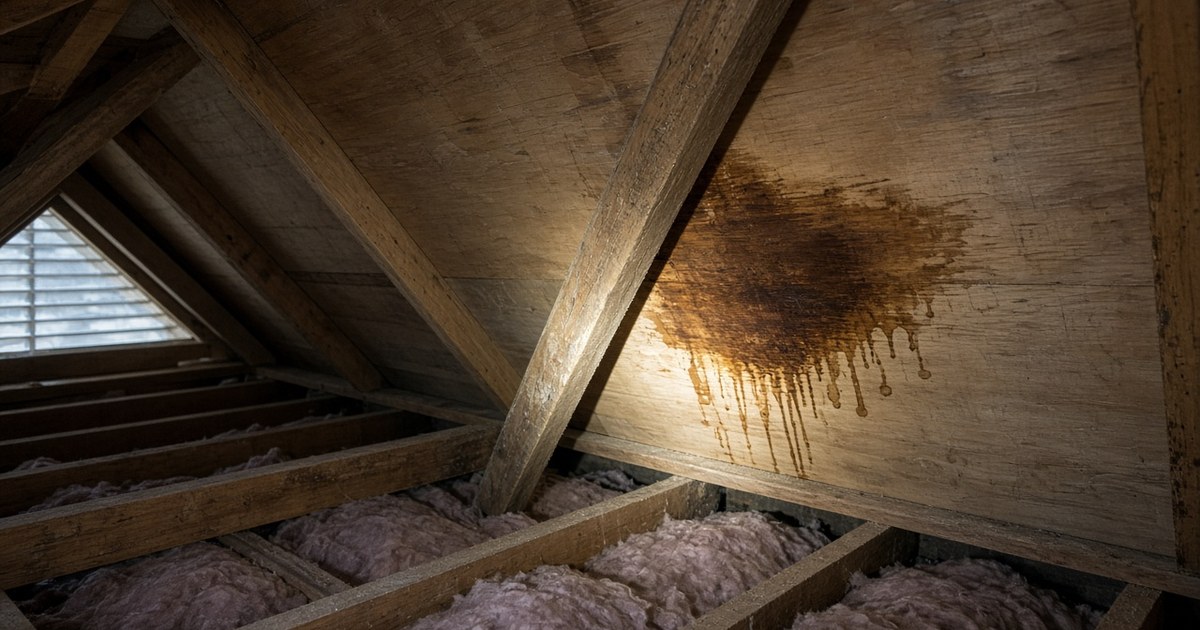
If you can safely reach the attic, look for damp wood, drip marks or rusty nail tips during or right after rain. Take photos with your phone and note where the wet spot sits compared with an outside wall or vent pipe. A stain directly under the array points toward the mounts. A stain near a chimney, valley or skylight may have nothing to do with solar. Our article on what to do when your roof leaks in the rain covers short term steps to limit water damage.
Check the timeline
Ask yourself when the leak first appeared. A leak in the first rainy season after installation is a strong sign the installation is involved. A leak that shows up ten years later on a roof that was already old when the panels went up is more likely a roof age problem.
Gather your paperwork
Find the solar contract, the permit and inspection records, the installer's warranty and any roof warranty. If you lease the system or have a power purchase agreement, the company that owns the equipment may be responsible for repairs to it.
Who to call first: the installer or a roofer?
If the leak started after the solar work, call the solar installer first and put the request in writing. Many solar contracts include a workmanship warranty that covers roof penetrations for a set period. Giving them the first chance to fix it in writing protects your rights if they do not respond.
Ask the installer: does your workmanship warranty cover roof leaks at the mounts, and for how long?
If the installer is out of business, will not respond, or the leak is clearly away from the array, bring in a licensed roofer. Expect that a roofer may need the panels temporarily removed to reach the damaged area, and that removal and reinstallation is usually work for a solar contractor. If you already plan a full reroof, read why the roof should be replaced before solar goes on and plan both jobs together.
When an installer or roofer does poor work and will not fix it, California gives you options, including a complaint with the Contractors State License Board. Our guide on what to do if a contractor does a bad job walks through the steps.
What California agencies say to check
The California Public Utilities Commission solar guide lists questions to ask before you sign, including what steps the company will take to make sure your roof won't leak, and roughly what it will cost to remove and reinstall the panels if you replace the roof later. It also advises that if you plan to replace your roof soon, you should do it before installing rooftop solar.
Source: CPUC, "California Solar Consumer Protection Guide," cpuc.ca.gov/solarguide, read November 23, 2026
The CSLB advises reading the contract closely and making sure it explains how problems such as maintenance, warranty and disputes will be handled. Its solar page also notes that a solar energy system disclosure document must include information on how and to whom you can make a complaint.
Source: CSLB, "Solar Smart," cslb.ca.gov/solar, read November 23, 2026
Warranties that may apply
A solar system can come with several warranties, and they cover different things. Read each one and note the contact information.
| Warranty | What it usually covers | Who to contact |
|---|---|---|
| Installer workmanship | Installation errors, which may include roof penetrations | The company that installed the system |
| Panel and inverter | Equipment defects and performance, not roof leaks | The equipment maker, often through the installer |
| Roofing workmanship | The roofer's own installation, which may be affected by later solar work | The roofer who installed the roof |
| Roofing material | Defects in the shingles or tiles themselves | The roofing manufacturer |
Before anyone drills a new hole near your roofing, check whether your roof warranty has conditions about later rooftop work. Our article on how long a roofing warranty should be explains the difference between workmanship and material coverage.
How to prevent the next leak
- Ask for photos of each mount and its flashing during installation. If you have not installed yet, compare solar shingles, which are the roof covering itself.
- Keep debris and leaves from collecting under the array, using a licensed pro rather than climbing up yourself.
- Have the roof looked at after a strong storm or any time the panels are removed.
- Make sure any repair under the panels is written into a work order with the exact locations fixed.
If you are still choosing a company, our checklist for hiring a solar contractor in California covers licenses, the disclosure document and the right to cancel.
Questions to ask the installer or roofer
• Can you show me photos of each mount and its flashing?
• Did any lag bolt miss a rafter, and how will you fix that hole?
• Does your warranty cover roof leaks at the mounts, and for how long?
• Will the panels need to come off, and who will remove and reinstall them?
• What is your CSLB license number and classification?
• Will you put the repair locations and warranty in writing?
Frequently asked questions
Can solar panels cause a roof to leak?
Who pays to fix a roof leak caused by solar?
Should a roofer or solar company fix the leak?
Where do I complain about a solar contractor in California?
Check the contractor before the repair
Whether you call the installer back or bring in a new roofer, it pays to know who you are dealing with. Before you sign for any repair, run a ConFacts check on the California contractor to review their state license record, bond and workers' comp status in one place.
Two companies. Two reports.
Got more than one bid? Check them side by side, against the same records.
Compare bids side by side