Kitchen Remodel Permits in California: A Guide
Do you need a permit for a kitchen remodel in California? See what work needs one, what usually does not, who pulls it, and how to hire a licensed contractor.
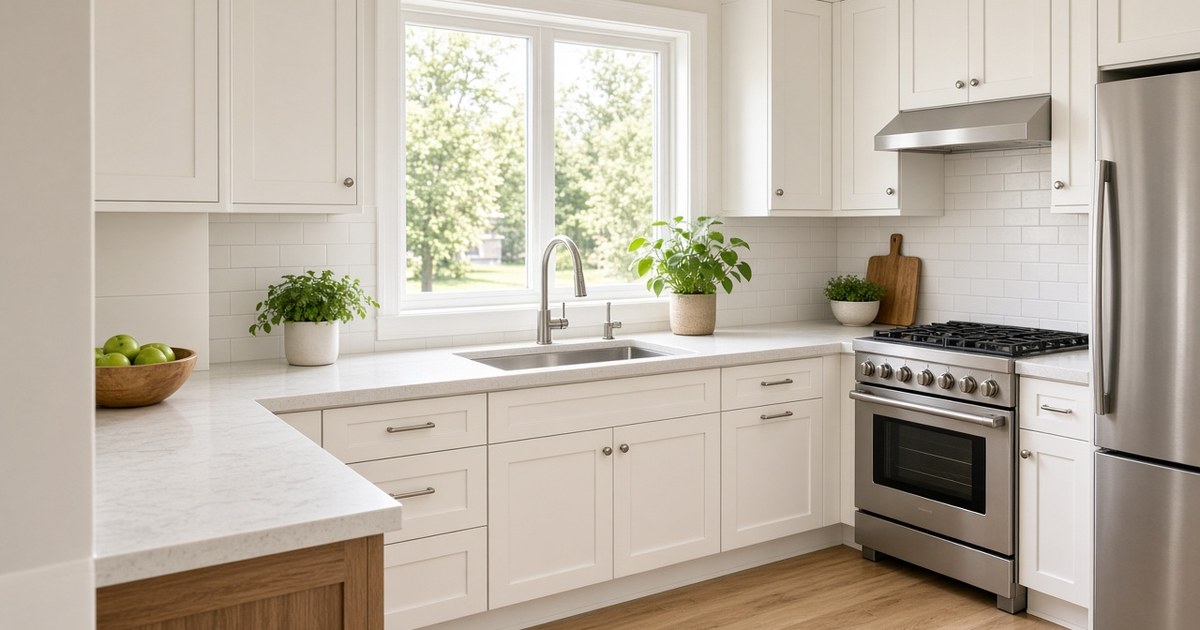
A kitchen remodel can be as simple as new paint and cabinet doors or as big as moving walls, plumbing and gas lines. Whether you need a building permit depends on which of those you are doing. This guide explains what the California Residential Code says, which kitchen work usually needs a permit and which usually does not, who should pull the permit, and how to hire a contractor for the job.
Do you need a permit for a kitchen remodel in California?
Often, yes, and the answer depends on the scope of the kitchen remodel permit application, not the size of the budget. The California Residential Code requires a permit before anyone constructs, enlarges, alters, repairs or demolishes a building, or installs, alters, repairs or replaces any electrical, gas, mechanical or plumbing system regulated by the code. Most real kitchen remodels touch at least one of those systems.
Source: 2025 California Residential Code, Section R105.1, via up.codes, read November 28, 2026
The same code lists work that is exempt from a permit. That list includes painting, papering, tiling, carpeting, cabinets, counter tops and similar finish work. It also exempts a few minor electrical tasks, such as replacing lamps, reinstalling plug receptacles but not the outlets themselves, and some portable appliances.
Source: 2025 California Residential Code, Section R105.2, via up.codes, read November 28, 2026
There is an important catch. The code says an exemption does not authorize work that violates the code or local law. And cities and counties can adopt local rules, so your building department has the final word. A quick call or a look at its website before you start can save a lot of trouble later.
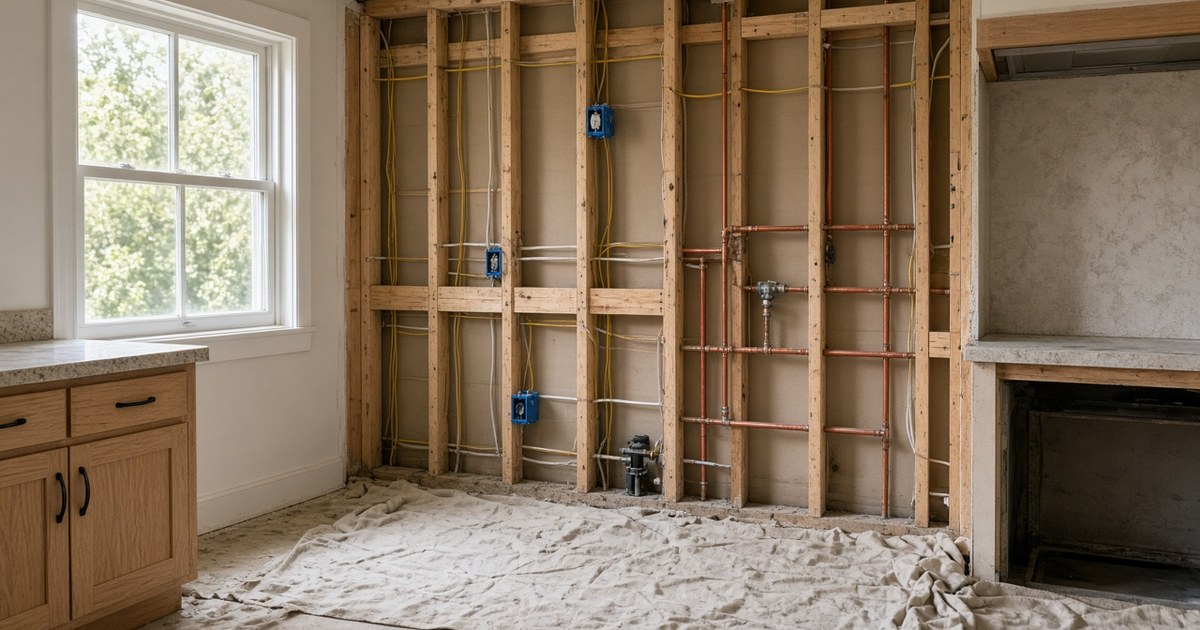
Kitchen work that usually needs a permit
| Work | Why a permit is likely |
|---|---|
| New circuits, outlets or lighting | Electrical system changes are regulated |
| Moving the sink or dishwasher, new drains or water lines | Plumbing system changes are regulated |
| Moving or adding a gas range or line | Gas piping is regulated |
| New or relocated range hood ducting | Mechanical system changes are regulated |
| Removing or moving walls | Altering the building, and possibly the structure |
| New or enlarged windows or doors | Altering the building envelope |
Window work in a kitchen follows the same rules as window work anywhere in the house. Our guide to window replacement permits in California covers that in detail. Replacing the water heater too? See water heater replacement permits in California.
Kitchen work that usually does not
Under the code's exemption list, purely cosmetic work generally does not need a building permit. That includes:
- Painting walls and cabinets
- New cabinets and counter tops installed without changing plumbing, gas or wiring
- Tile backsplashes and new flooring
- Swapping a light bulb or reinstalling an existing plug receptacle
Watch the line between cosmetic and system work. Replacing counter tops is exempt, but if the new layout moves the sink, adds an outlet or relocates the cooktop, the job changes category. Check with your building department before assuming a project is exempt.
Ask the contractor: which parts of this remodel need a permit in my city, and who will pull it?
Who pulls the permit?
In most remodels, the licensed contractor pulls the permit, lists the work, and schedules the inspections. That keeps responsibility for code compliance with the person doing the work. If a contractor asks you to pull the permit in your own name, be careful. Doing so can make you the owner-builder, with the legal and financial risks that come with that role. Our article on owner-builder permits in California explains those risks.
Put the permit in the contract
Ask for the contract to say who will apply for the permit, whether the permit fee is included in the price, and that the final payment is due after the final inspection passes. Once the permit is issued, ask for the permit number so you can follow its status with your building department. These small lines in the contract make it much harder for permit work to be quietly skipped.
Inspections to expect
Larger remodels often have a rough inspection while the walls are open, so the inspector can see new wiring, plumbing and framing, and a final inspection when the work is done. Do not let anyone close up the walls before a required inspection passes. Keep the signed off permit card and final inspection record with your home papers.

Why skipping the permit can cost you
- Safety: inspections catch wiring, gas and venting mistakes that are hidden once the walls close.
- Resale: buyers, inspectors and lenders may ask about unpermitted work, and fixing it later can mean opening finished walls.
- Insurance: if a fire or leak starts in unpermitted work, ask your insurer how that affects a claim before you find out the hard way.
- Disputes: a permit and inspections create a record of what was done and when.
If the kitchen is part of a bigger project, such as an addition or a garage conversion, read our guide to ADU permits in California as well.
Hiring a contractor for a kitchen remodel
A kitchen remodel that involves several trades is usually run by a general building contractor, who can coordinate the electrician, plumber and others. Our guide on what a B general building contractor license covers explains when one is the right choice.
The CSLB recommends getting at least three written bids based on the same plans and scope of work, and being wary of any bid that is far lower than the others. It also says contractors must have their license number on their business cards, bids and contracts, and that salespeople who sell home improvement work must be registered with CSLB as Home Improvement Salespersons.
Source: CSLB, "How do I find the right licensed contractor?," cslb.ca.gov, read November 23, 2026
Before you pay anything, read our article on how much a contractor can ask for a deposit in California. The same home improvement rules apply to kitchen remodels.
Questions to ask the contractor
• Which parts of this remodel need a permit, and will you pull it?
• Is the permit cost included in your bid?
• Which inspections will the city require, and when?
• Who will do the electrical, plumbing and gas work, and are they licensed?
• What is your CSLB license number, and is the salesperson registered?
• Will you give me copies of the final inspection sign off?
Frequently asked questions
Do I need a permit to replace kitchen cabinets in California?
Do I need a permit to move a kitchen sink?
Can I do a kitchen remodel without a permit?
Should the contractor or the homeowner pull the permit?
Check the contractor before you sign
A kitchen remodel is a big investment in the room you use most. Before you sign, run a ConFacts check on the California contractor to review the state license record, and read our checklist of what to verify before signing.
Two companies. Two reports.
Got more than one bid? Check them side by side, against the same records.
Compare bids side by side