Architectural vs 3-Tab Shingles: Which to Choose
How architectural and 3-tab asphalt shingles differ in look, build, wind rating and warranty, and how to choose the right one for a California reroof.
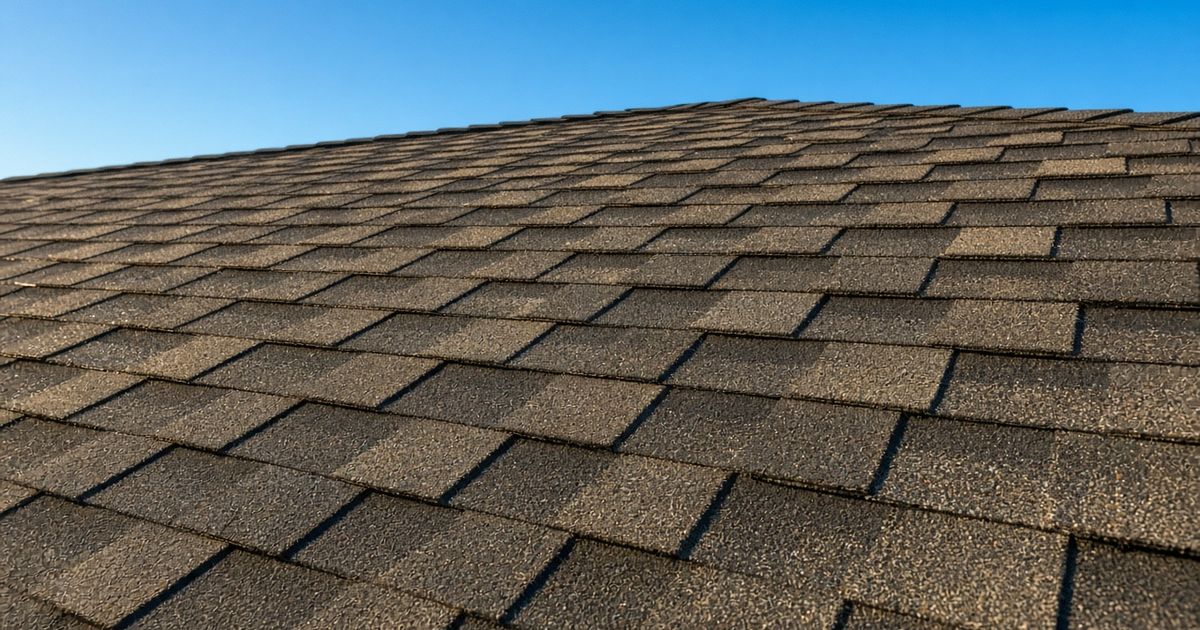
When a roofer quotes an asphalt shingle roof, the bid usually names one of two kinds of shingle: 3-tab or architectural. Some bids offer both, with two prices. The difference is more than looks. It affects wind ratings, warranty length and how your house reads from the street. This guide compares architectural vs 3-tab shingles in plain English, so you can read your bid with confidence and choose the one that fits your home and budget.
What are 3-tab shingles?
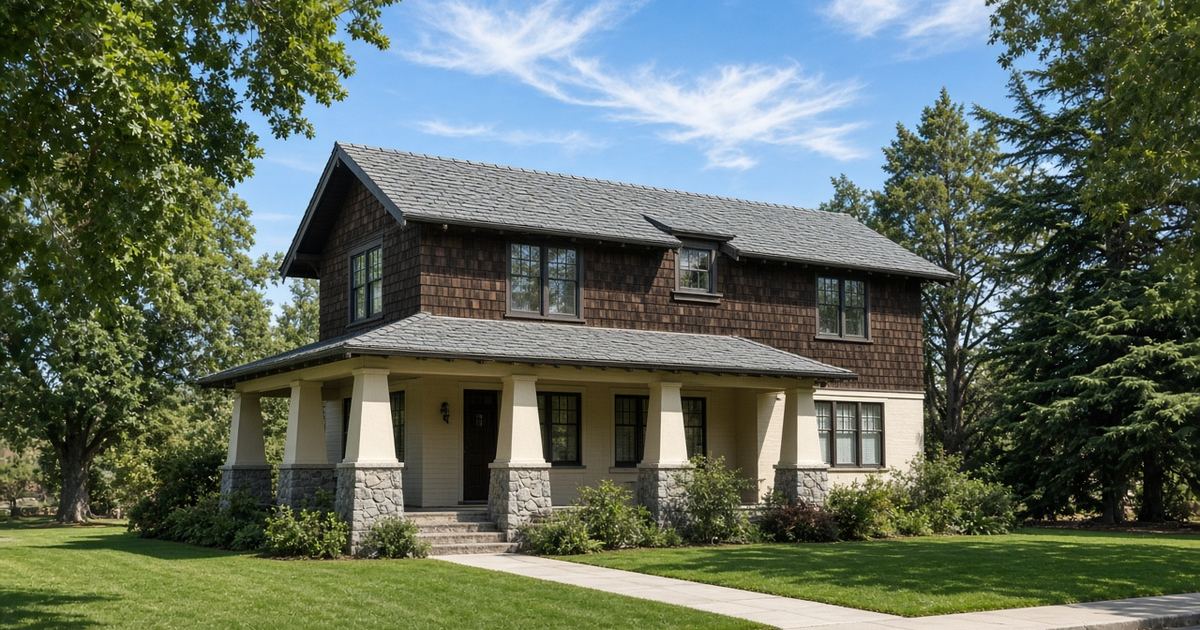
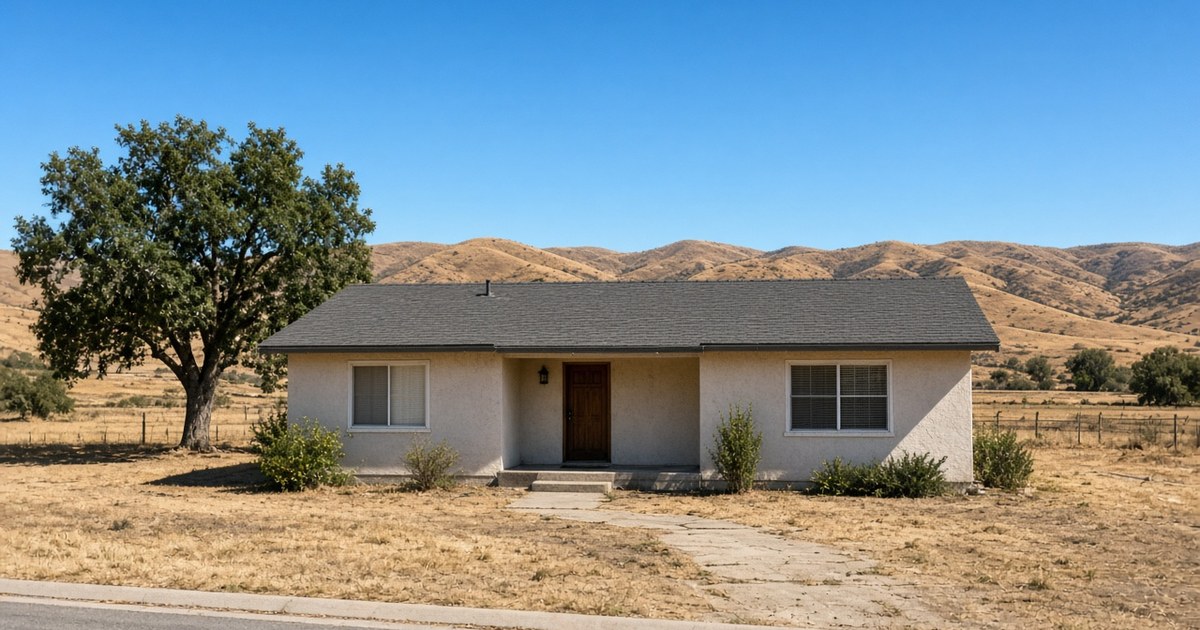
Asphalt shingles come in a few basic forms. The Asphalt Roofing Manufacturers Association (ARMA) describes strip shingles as one-piece shingles, typically rectangular, with cutouts along the long edge that separate the tabs. Those tabs give the roof the look of many smaller pieces. A 3-tab shingle is the classic strip shingle, with two cutouts that create three equal tabs.
Source: Asphalt Roofing Manufacturers Association, Residential Asphalt Roofing Manual (2014 edition), Chapter 1
From the street, a 3-tab roof looks flat and uniform, with neat, even rows. Many California homes built or reroofed decades ago have this look.
What are architectural shingles?
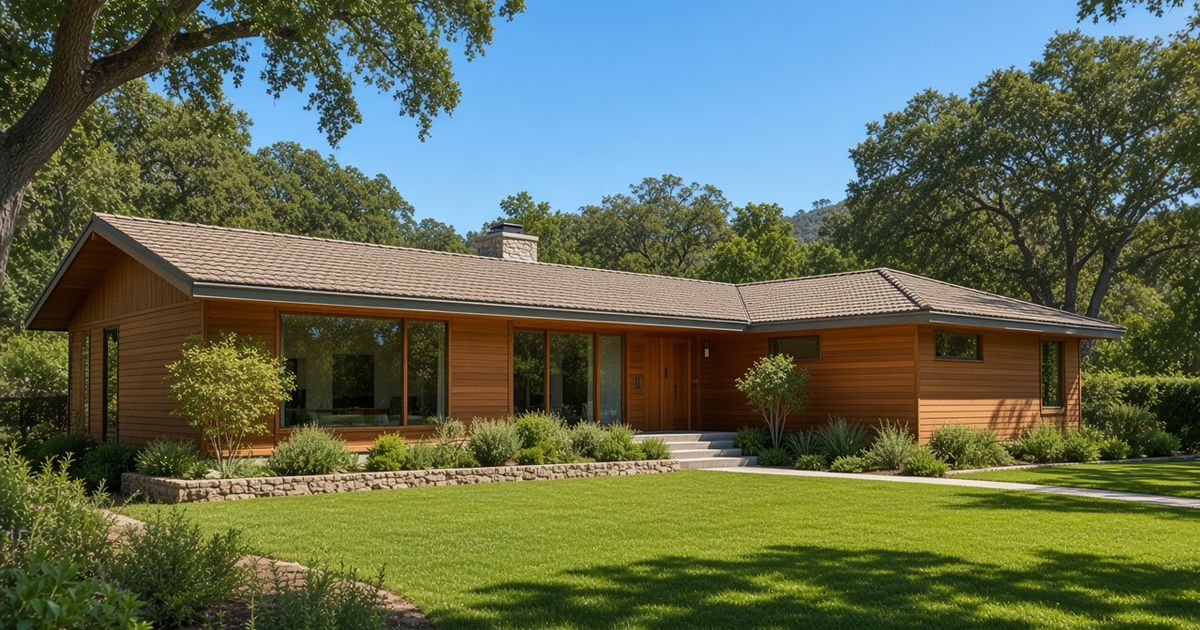
Architectural shingles are what ARMA calls laminated shingles. Unlike strip shingles, they are made of one or more layers of tabs bonded together, which gives them greater thickness and depth and a three-dimensional appearance. You may also see them called dimensional or laminate shingles on a bid.
Source: Asphalt Roofing Manufacturers Association, Residential Asphalt Roofing Manual (2014 edition), Chapters 1 and 9
The shadow lines and varied shapes can echo the look of wood shakes or slate. If you want an even bolder look, see our guide to Presidential and designer shingles.
Architectural vs 3-tab shingles at a glance
| Feature | 3-tab | Architectural |
|---|---|---|
| Build | Single layer strip with three tabs | Laminated, multiple layers |
| Look | Flat, uniform rows | Dimensional, shadowed, varied |
| Shingles per square (ARMA typical) | 48 to 81 | 64 to 90 |
| Bundles per square (ARMA typical) | 3 to 4 | 3 to 5 |
| Example limited warranty (GAF) | 25 years, wind to 60 mph | Lifetime as GAF defines it, wind to 110 mph, or 130 mph with special installation |
Source: Asphalt Roofing Manufacturers Association, Residential Asphalt Roofing Manual (2014 edition), Chapter 1, Table 1; GAF, "Residential roof warranty comparison guide," gaf.com
Wind rating: what the California code requires
Both kinds of shingle have to meet the same code. California's residential code requires asphalt shingles to be tested to ASTM D7158 and labeled on the package with their wind class. The required class depends on the design wind speed where you live. For the lowest wind speed listed, 110 mph, classes D, G or H are allowed. Higher wind areas need class G or H, and the highest listed speeds need class H.
Source: 2025 California Residential Code §R905.2.4.1 and Table R905.2.4.1 (effective January 1, 2026)
So the useful question is not "which type is stronger?" It is "what wind class is printed on the bundle, and does it meet the requirement for my address?" Ask your roofer, and check the wrapper when materials arrive.
The code also sets the minimum number of nails. Asphalt shingles must get the number of fasteners the manufacturer requires, and never fewer than four per strip shingle.
Source: 2025 California Residential Code §R905.2.6 (effective January 1, 2026)
Warranty: where the gap really shows
The clearest difference between architectural vs 3-tab shingles is usually the manufacturer warranty. As one example, GAF's warranty comparison lists a 25-year limited warranty for its 3-tab shingle, with wind coverage up to 60 mph. Its architectural Timberline line carries a lifetime limited warranty, with wind coverage up to 110 mph, or 130 mph with a special installation that uses six nails per shingle and GAF starter strips at the eaves and rakes.
Source: GAF, "Residential roof warranty comparison guide," gaf.com
"Lifetime" has a specific meaning. GAF defines it as coverage for as long as you, the original owner, or a properly transferred second owner, own the property, and only on a single-family detached home owned by individuals. It is a warranty term, not a promise that the roof lasts forever. Other manufacturers use their own definitions, so read the one for the product on your bid.
Source: GAF, "Residential roof warranty comparison guide," gaf.com
Also note what a standard shingle warranty leaves out. GAF's basic shingle warranty lists tear-off, disposal and workmanship as not covered. Workmanship is the contractor's job, which is why the installer matters as much as the shingle. For brand differences, see GAF vs Owens Corning vs CertainTeed.
Source: GAF, "Residential roof warranty comparison guide," gaf.com
Fire rating: check the label either way
Fire matters on almost every California roof. ARMA notes that asphalt roofing products are made to meet ASTM E108 or UL 790 fire standards, rated Class A or Class C, and that roofs can catch fire from sparks or embers blown in from nearby fires. The style of the shingle does not decide the rating. The product does, so look for the fire class on the bundle and in the product literature for both options on your bid.
Source: Asphalt Roofing Manufacturers Association, Residential Asphalt Roofing Manual (2014 edition), Chapter 1
Your city or fire hazard zone may require a specific rating on a reroof. Ask your roofer what applies at your address before you choose, and get the answer in the written bid.
Installation and roof slope
Either type of asphalt shingle can only go on roofs with a slope of at least 2 in 12. Between 2 in 12 and 4 in 12, the code requires a double layer of underlayment. If your roof is flatter than that, shingles are not an option, whichever style you like.
Source: 2025 California Residential Code §R905.2.2 (effective January 1, 2026)
ARMA also notes that laminated shingles differ by product, so installers need to follow the manufacturer's directions printed on the bundle wrapper. Ask your roofer whether they have installed the exact product on your bid. The layers under the shingles matter too. See roof underlayment explained.
Source: Asphalt Roofing Manufacturers Association, Residential Asphalt Roofing Manual (2014 edition), Chapter 9
How to choose for a California home
Choose 3-tab if
- you want to match an existing 3-tab roof on part of the house,
- the price difference matters more than the look, or
- you plan to sell soon and the buyer pool will not notice the style.
Ask your roofer which 3-tab colors and products their supplier actually stocks before you commit, so you are not waiting on a special order.
Choose architectural if
- you want more depth and curb appeal,
- you want a longer manufacturer warranty and higher wind coverage, or
- you plan to stay in the house for a long time.
Consider another material if
Your home style, fire zone or HOA might point you away from asphalt altogether. Our guide to tile vs shingle vs metal roofs in California compares the options.
Reading the bid
A good bid names the manufacturer, the exact product line and the color, not just "architectural shingle." Ask each roofer to price both types on the same scope, so the only difference is the shingle. Then compare the number of squares on each bid. Our guides on what a roofing square is and how to compare roofing bids show you how. Once you choose, here is how to prepare for a roof replacement.
Frequently asked questions
Are architectural shingles worth it?
For many homeowners, yes, for the look and the longer warranty. Compare both prices on the same scope and decide.
Can you mix 3-tab and architectural shingles?
On separate roof sections it is possible, but the look will differ. Ask your roofer and check the manufacturer's instructions.
Do architectural shingles need more nails?
It depends on the product. The code requires at least four per strip shingle, and some warranties require more for higher wind coverage.
Where ConFacts fits
The shingle is only half the decision. A ConFacts report is a sourced background check on California C-39 roofing contractors built from public records, including CSLB license status, workers' comp, bond, the qualifier, certifications and reviews, scored from 0 to 100. Your first report is free, then $7, or 3 for $15. We take no money from contractors. We show you the record, you make the decision.
Two companies. Two reports.
Got more than one bid? Check them side by side, against the same records.
Compare bids side by side