Bathroom Remodel Permits in California: A Guide
Do you need a permit for a bathroom remodel in California? Learn what work needs one, what is usually exempt, the water fixture rules and how to hire right.
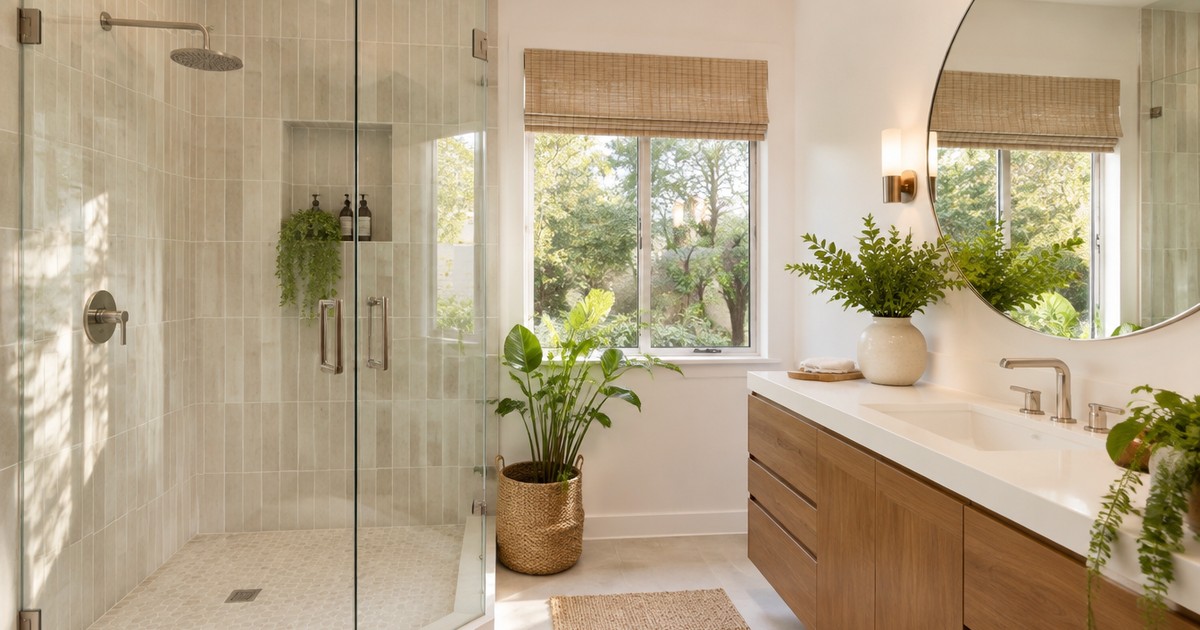
A bathroom remodel can be as simple as new paint and a vanity top, or as big as moving the shower and adding a window. Whether you need a building permit depends on what you change. This guide explains which bathroom work usually needs a permit in California, what is usually exempt, the water fixture and ventilation rules that come with a permit, and how to hire a contractor with confidence.
Source: 2025 California Residential Code, Sections R325.2, R327.2 and R324.4.5, via up.codes, read November 28, 2026
Do you need a permit for a bathroom remodel?
The 2025 California Residential Code says anyone who plans to build, alter, repair or replace a building or its electrical, gas, mechanical or plumbing systems must first get a permit, unless the work is on the exempt list. Your city or county building department applies those rules and can add its own.
Source: 2025 California Residential Code, Section R105.1, via up.codes, read November 28, 2026
Work that is usually exempt
The code lists painting, papering, tiling, carpeting, cabinets, counter tops and similar finish work as exempt from a building permit. It also exempts stopping leaks and clearing stoppages, and removing and reinstalling a toilet, as long as the repair does not replace or rearrange valves, pipes or fixtures.
Source: 2025 California Residential Code, Section R105.2, via up.codes, read November 28, 2026
Work that usually needs a permit
- Moving a toilet, sink, tub or shower, or adding a new fixture
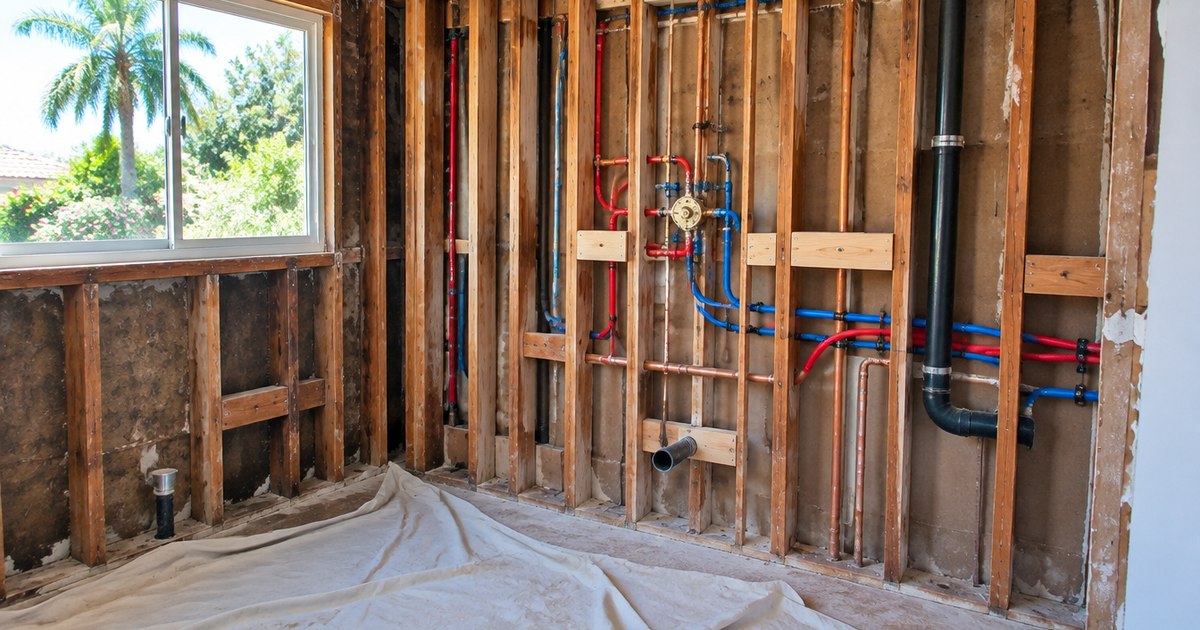
- Replacing concealed drain, waste, vent or water pipes
- New circuits, new outlets or lights, or a new exhaust fan
- Removing or moving walls, or changing framing
- Adding or enlarging a window, or replacing a shower pan
The code treats replacing a concealed pipe with new material as new work that needs a permit and inspection. Always confirm with your local building department, because exemptions vary from city to city.
Source: 2025 California Residential Code, Section R105.2, via up.codes, read November 28, 2026
Code rules a permit brings in
Ventilation
A bathroom needs a window of at least 3 square feet, half of it openable, or artificial light and an exhaust fan. The fan must move at least 50 cubic feet per minute when run on demand, or 20 when run continuously, and vent directly outdoors. Every bathroom with a tub or shower must also have mechanical ventilation for humidity control.
Source: 2025 California Residential Code, Sections R325.2 and R325.2.1, via up.codes, read November 28, 2026
Shower walls and glass
Tub and shower floors, and the walls above tubs with shower heads and in shower stalls, must have a nonabsorbent surface at least 6 feet above the floor. Glass in walls or enclosures next to a tub or shower is a hazardous location that needs safety glazing when its bottom edge is less than 60 inches above a standing or walking surface, unless it is more than 60 inches away horizontally.
Source: 2025 California Residential Code, Sections R327.2 and R324.4.5, via up.codes, read November 28, 2026
Ask the contractor: who will pull the permit, and which inspections will the job need?
Water saving fixture rules
California has a separate law for older homes. For single family homes built and available for use on or before January 1, 1994, the permit applicant for an alteration or improvement must replace all noncompliant plumbing fixtures with water conserving ones as a condition of final permit approval.
The law defines noncompliant fixtures as toilets made to use more than 1.6 gallons per flush, showerheads with a flow over 2.5 gallons per minute, and interior faucets over 2.2 gallons per minute. Sellers must also disclose the requirement and any noncompliant fixtures in writing.
Source: California Civil Code Sections 1101.2, 1101.3 and 1101.4, leginfo.legislature.ca.gov, read November 24, 2026
That means a permitted bathroom job in an older home can include fixture upgrades in other rooms too. Ask about it early so it is in the price.
How the permit process usually goes
For a simple fixture swap, many cities issue a permit over the counter or online. For a layout change, the building department may want a simple floor plan first. Inspections usually happen while the walls are open, so the inspector can see the new plumbing, wiring and framing, and again at the end. Ask your contractor to share the inspection schedule, and keep the job card or final sign off with your home records. It will help when you sell, refinance or file an insurance claim.
Permits and hiring a contractor
Who pulls the permit
Usually the licensed contractor pulls the permit, which puts responsibility for passing inspections on them. If you pull it yourself as an owner builder, you take on that responsibility and some legal risk. Our guide to owner builder permits in California explains the tradeoffs before you agree to it.
Skipping a permit can cause trouble later, when you sell or when an insurer or inspector finds unpermitted work. Opening finished walls so an inspector can see the work costs far more than doing it right the first time. Many of the same issues come up in a kitchen; see our guide to kitchen remodel permits in California, and our guide to window replacement permits if the bathroom window is changing.
Choosing a bathroom contractor
A full remodel that touches several trades is often run by a general building contractor; our guide to what a B general building license covers explains that license. The CSLB recommends getting at least three written bids based on the same plans and scope, and warns that a bid far below the others may leave out work or lead to a dispute.
Source: CSLB, "How do I find the right licensed contractor?," cslb.ca.gov, read November 24, 2026
The same CSLB page says a contractor cannot ask for a down payment of more than 10 percent of the contract price or $1,000, whichever is less, on a home improvement project, except for contractors with a blanket performance and payment bond on file with CSLB. Watch for the warning signs in our guide to unlicensed contractor red flags.
Source: CSLB, "How do I find the right licensed contractor?," cslb.ca.gov, read November 24, 2026
Questions to ask the contractor
• Does this bathroom remodel need a permit, and will you pull it?
• Which inspections will the job need, and when?
• Is the permit fee included in your price?
• Will any fixtures in the rest of the house need to be upgraded to pass final?
• What exhaust fan will you install, and where will it vent?
Frequently asked questions
Do I need a permit to replace a bathroom vanity?
Do I need a permit to retile a shower?
Does a bathroom remodel trigger low flow fixture rules?
Who is responsible for the permit, me or the contractor?
Check the contractor before you sign
Read what to check before you sign in our guide, then run a ConFacts check on the California contractor to review the state license, bond and workers' comp records in one place.
Two companies. Two reports.
Got more than one bid? Check them side by side, against the same records.
Compare bids side by side