Fascia and Soffit Repair: Signs and Fixes
Rotted fascia or a damaged soffit can let in water, pests and embers. Learn the warning signs, the causes, repair vs replacement, and who to hire in California.
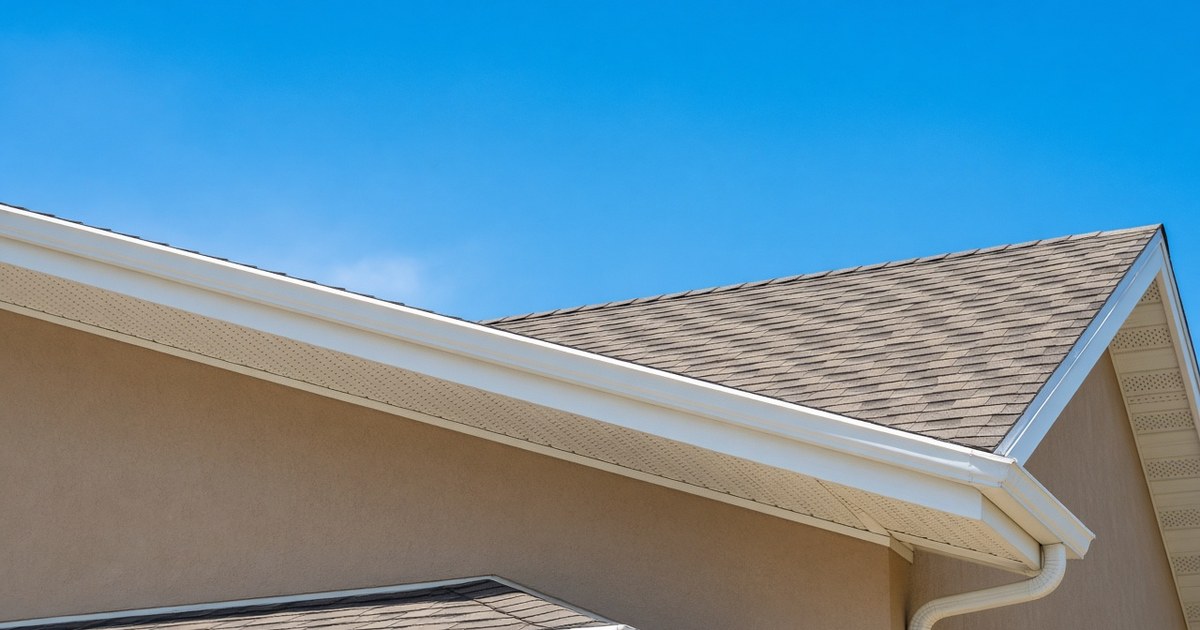
Fascia and soffits are easy to ignore because they sit under the edge of the roof, out of your usual line of sight. But they protect the ends of your rafters, hold up your gutters and help your attic breathe. When they rot or break, water, rodents and even wildfire embers can find a way in. This guide explains what fascia and soffits do, the signs of damage, what causes it, and how to decide between repair and replacement.
What are fascia and soffits?
Fascia is the long board that runs along the lower edge of the roof, covering the cut ends of the rafters. On most homes the gutters are attached to it. Soffit is the panel on the underside of the roof overhang, between the fascia and the wall of the house. Many soffits have vents that let outside air flow into the attic.
Together they close off the roof edge. The fascia keeps weather off the rafter tails and roof deck edge, and the soffit closes the space under the eaves while letting air in through screened vents. Our guide to roof ventilation and attic heat explains why that airflow matters in a California summer.
Common materials
- Wood: the most common on older California homes. It looks good painted but rots if water gets behind the paint.
- Fiber cement or composite: resists rot and insects and holds paint well.
- Aluminum or vinyl wraps and panels: low maintenance, though wraps over rotted wood can hide damage.
- Stucco soffits: common on many California homes, with metal vents set into the stucco.
Signs your fascia or soffit needs repair
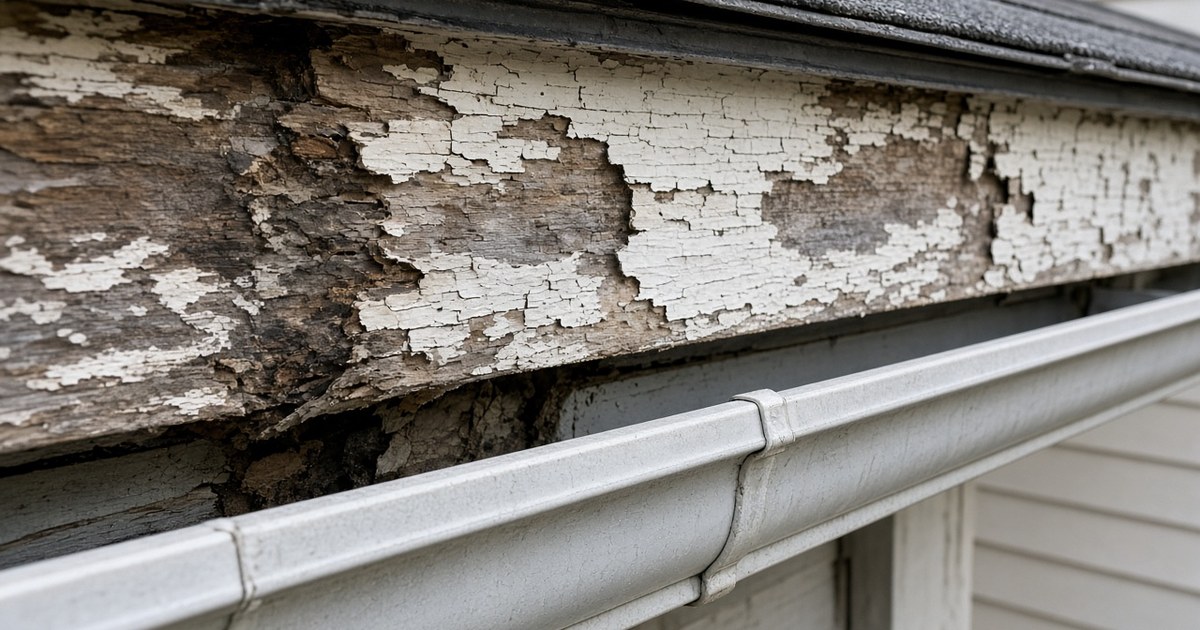
- Paint that peels or bubbles along the roof edge, often in the same spots every year
- Wood that feels soft when pressed with a screwdriver
- Gutters that pull away, sag or tip toward the house
- Water stains or dark streaks on the soffit or the wall below it
- Holes, chewed edges, droppings or nesting material near the eaves
- Loose, sagging or missing soffit panels or vent screens
- Mold or mildew on the underside of the overhang
Check from the ground with binoculars or from a short ladder on firm ground. If you see a gap, look for animal activity too. Our article on roof rats in the attic and how they get in shows why broken soffit vents are a favorite entry point.
What causes fascia and soffit damage?
Overflowing or clogged gutters
When gutters fill with leaves, water spills over the back edge and soaks the fascia. Over a few rainy seasons the wood rots from behind. Our guide on how clogged gutters cause roof damage covers cleaning and fixes.
Missing or failed drip edge
Drip edge is the metal strip at the roof edge that guides water off the roof and away from the fascia. The California Residential Code requires a drip edge at the eaves and rake edges of shingle roofs. When it is missing, water can wick behind the gutter and into the fascia board. Learn more in what drip edge is and why it matters.
Source: 2025 California Residential Code, Section R905.2.8.5, via up.codes, read November 28, 2026
Roof leaks at the edge
A leak at the eaves can run down the rafters and stain the soffit long before it shows inside the house. If the soffit is wet but the gutters are clear, the problem may be on the roof itself.
Pests and age
Birds, rodents and insects exploit any gap. Sun and heat also break down paint, which lets moisture into the wood.
Ask the contractor: is the fascia the problem, or is water coming from the gutter or roof above it?
Repair or replace?
| Situation | Usual approach |
|---|---|
| Peeling paint, wood still solid | Scrape, prime and repaint; fix the water source |
| A short section of soft wood | Cut out and replace that section of fascia |
| Rot along long runs or at many corners | Replace the fascia boards, often with rot resistant material |
| Rot reaching rafter tails or roof deck | Repair framing and deck edge, usually with roofing work |
| Broken or unscreened soffit vents | Replace vents and damaged soffit panels |
Covering rotted wood with a metal wrap may look tidy, but it hides the damage and lets rot continue underneath. Ask for the rotted wood to be removed first. If the roof is near the end of its life, it can make sense to replace fascia during a reroof so the new drip edge, underlayment and gutters all fit together. Our article on roof decking dry rot explains what happens when rot reaches the deck.
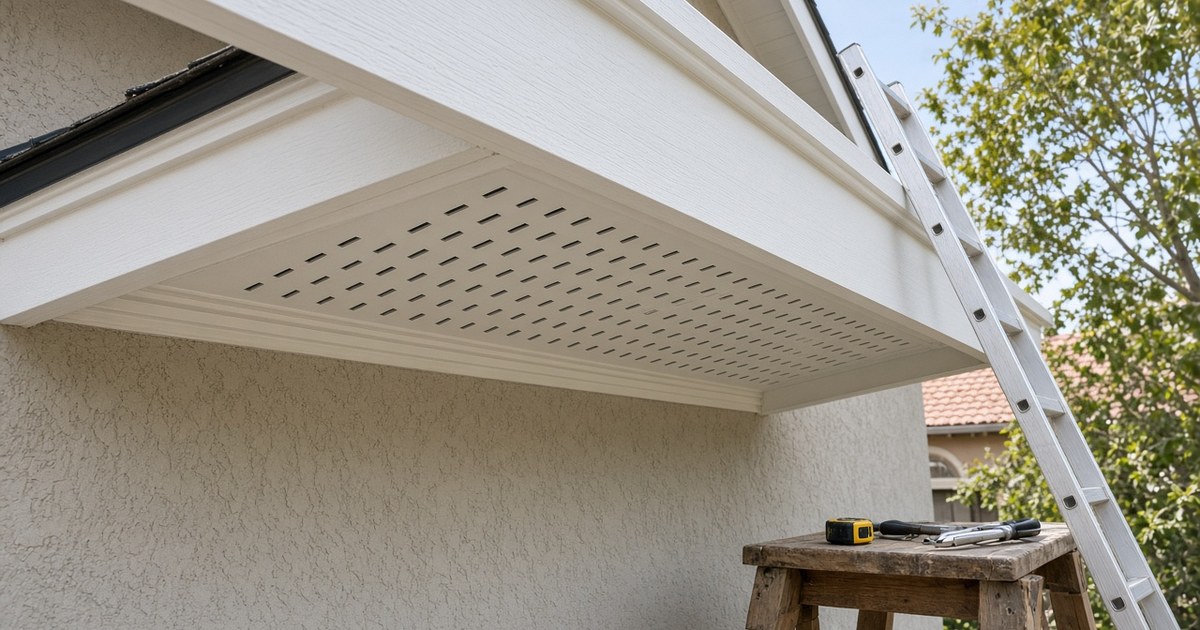
Soffit vents in wildfire areas
Attic vents are one of the ways wind blown embers can enter a home. For new buildings in a Fire Hazard Severity Zone or a wildland-urban interface area, the California Wildland-Urban Interface Code, which now holds the wildfire rules that used to be in the California Residential Code, requires ventilation openings to be covered with vents listed by the State Fire Marshal as flame and ember resistant, or vents tested and listed to ASTM E2886.
Source: 2025 California Wildland-Urban Interface Code, Sections 504.10 and 504.10.1, via up.codes, read November 28, 2026
That rule applies to new construction, but if you live in a high fire area and are replacing soffit vents anyway, ask about ember resistant options. Our guide to wildfire roofs in California covers the rest of the roof edge.
Who to hire for fascia and soffit work
Small paint and trim jobs are often handled by a carpenter or painter. When the work involves the roof edge, drip edge, gutters or rafter tails, a licensed roofer or general building contractor is usually the better fit, since they can fix the water source as well as the wood. Always check that the contractor holds an active California license for the type of work. Our guide on how to check a contractor's license in California shows how.
The CSLB recommends getting at least three written bids based on the same scope of work, and being wary of any bid that is far lower than the others.
Source: CSLB, "How do I find the right licensed contractor?," cslb.ca.gov, read November 23, 2026
Questions to ask the contractor
• What is causing the damage, and how will you fix the water source?
• Will you remove all rotted wood before installing new boards or wraps?
• What material will you use, and is it primed on all sides?
• Will you check the rafter tails and roof deck edge while the fascia is off?
• Will you reinstall or replace the gutters and drip edge?
• What is your CSLB license number?
Frequently asked questions
What is the difference between fascia and soffit?
Can I just paint over rotted fascia?
Should a roofer fix fascia?
Do soffit vents need screens?
Check the contractor before you sign
Fascia and soffit repairs often uncover more work once the old boards come off, so choose someone you trust to give you an honest scope. Before you sign, run a ConFacts check on the California contractor.
Two companies. Two reports.
Got more than one bid? Check them side by side, against the same records.
Compare bids side by side