Roof Pitch Explained: What 4/12 and 6/12 Mean
What roof pitch means, how a 4/12 or 6/12 slope is measured, which roofing materials the California code allows at each pitch, and how pitch shapes your bid.
When a roofer looks at your house, one of the first things they size up is the roof pitch. It shows up on bids as a pair of numbers like 4/12 or 6/12, and it quietly decides which roofing materials you can use, how much underlayment goes down, and how much the job costs. This guide explains roof pitch in plain English, how to measure it, and what the California code says about the minimum slope for each type of roof.
What is roof pitch?
Roof pitch, also called roof slope, describes how steep a roof is. It is written as rise over run: how many inches the roof climbs for every 12 inches it runs horizontally. A 4/12 roof pitch rises 4 inches over 12 inches of horizontal distance. A 6/12 pitch rises 6 inches over the same distance, so it is steeper. You will also see pitch written with a colon, as 4:12 or 6:12. It means the same thing.
The California Residential Code writes slope the same way, as "units vertical in 12 units horizontal," and adds the matching percentage. For example, the code describes 2 units vertical in 12 units horizontal as a 17 percent slope, and 4 in 12 as a 33 percent slope.
Source: 2025 California Residential Code, Chapter 9 (Roof Assemblies), Section R905.2.2, via UpCodes
Pitch vs slope: is there a difference?
In everyday roofing talk, homeowners and contractors use the two words interchangeably, and that is fine for reading a bid. What matters is the rise over run number, because that is what the code and the shingle wrapper both refer to.
Common roof pitches on California homes
You will see a wide range of pitches across California neighborhoods. Here is how roofers usually talk about them:
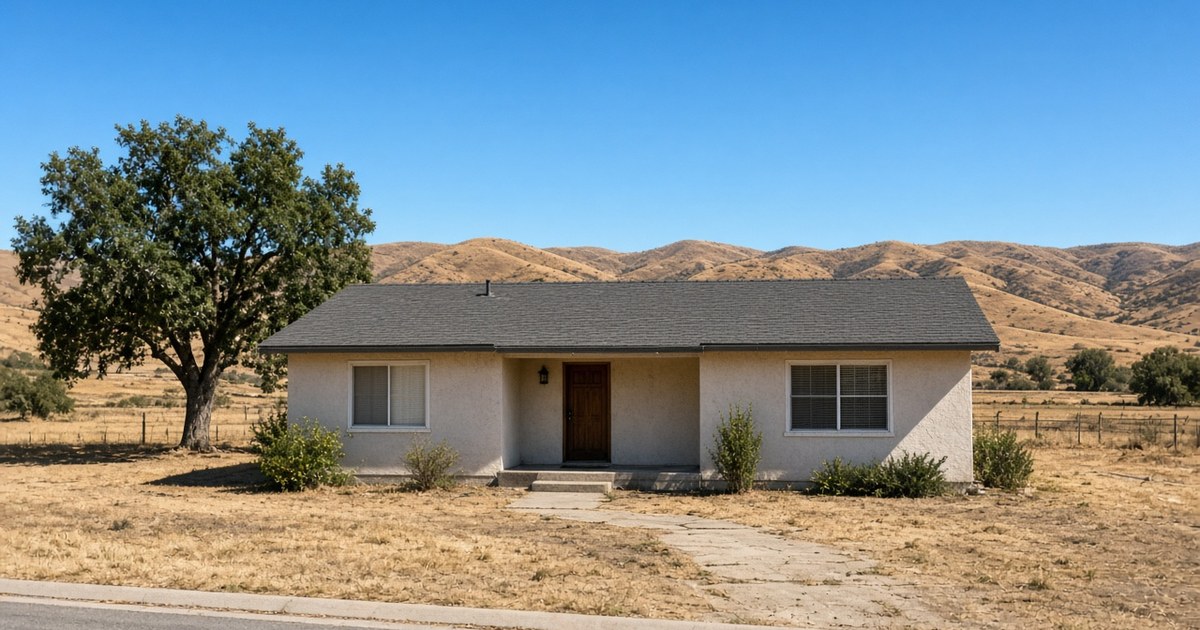
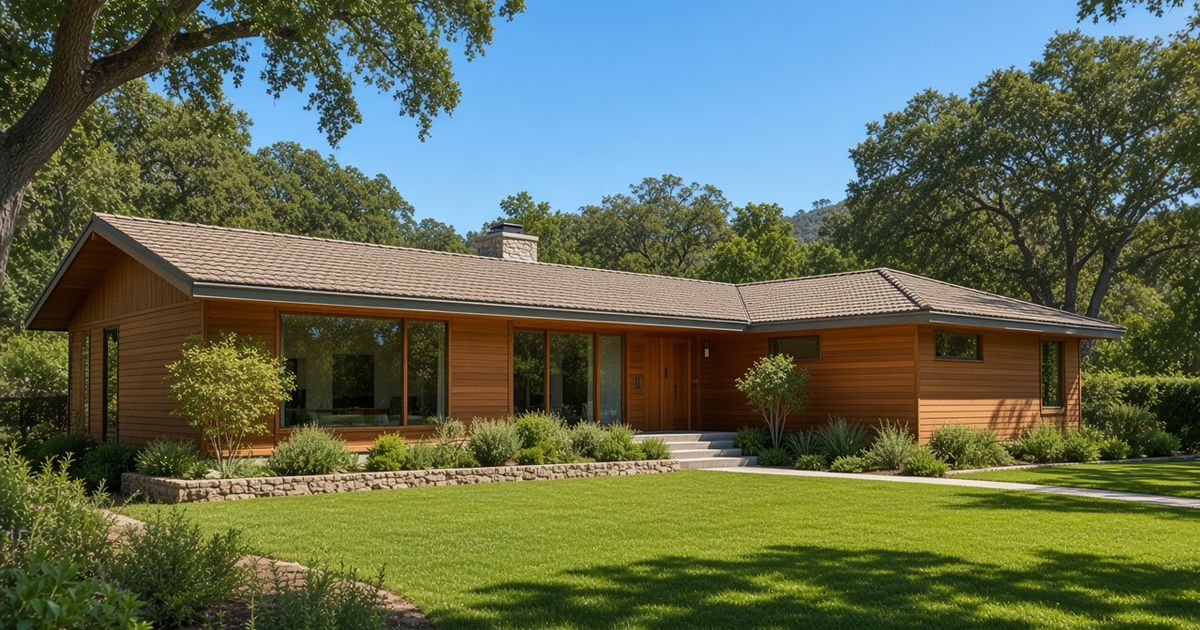
- Flat or low slope (under 2/12): common on modern homes, additions, porches and many mid-century houses. These roofs need a membrane or other low-slope system, not shingles.
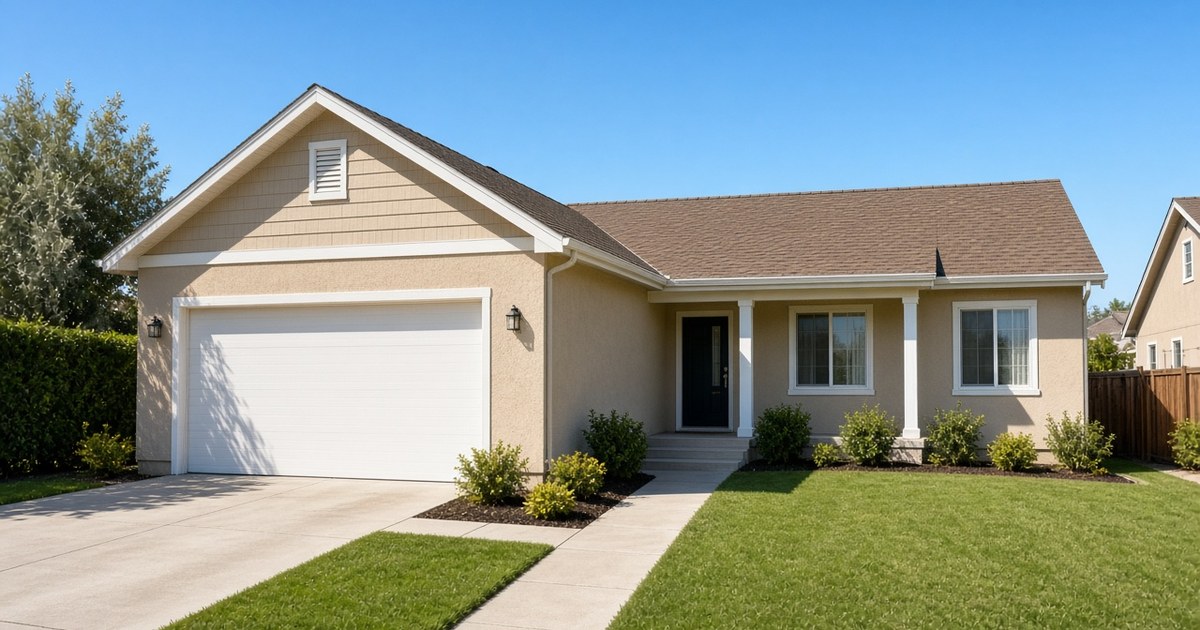
- Moderate pitch (about 4/12 to 6/12): typical on ranch homes and tract houses. Easy to walk, and a good fit for asphalt shingles, tile and metal.
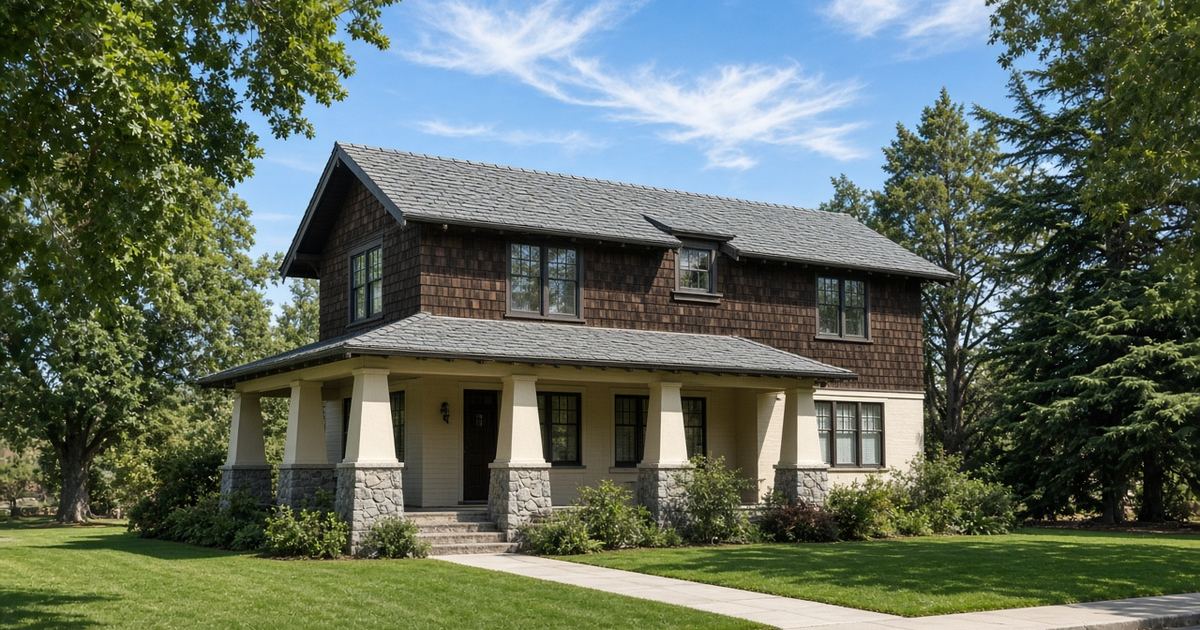
- Steep pitch (around 8/12 and up): seen on gables, Tudor and Craftsman styles, and two-story homes. Steeper roofs shed water quickly but are harder and slower to work on.
These ranges are general descriptions to help you picture the roof, not code categories. The code limits that actually matter are below.
How to measure your roof pitch
You do not need to climb on the roof to get a good estimate, and we do not recommend it. Here are three safer ways:
- From the attic: hold a level horizontally against the underside of a rafter, mark 12 inches along the level, then measure straight up from that mark to the rafter. That number is your rise, so a 5 inch measurement means a 5/12 pitch.
- From a ladder at the eave, if you are comfortable on one: place a 12 inch level on the roof surface edge, keep it level, and measure the gap from the end of the level down to the roof.
- Ask for it in writing: any roofing contractor bidding your job should list the pitch of each roof section. If a bid does not show it, ask.
Many homes have more than one pitch. A garage gable may be steeper than the main roof, and a back patio cover may be nearly flat. Each section can need a different material or method.
Minimum roof slope by material in California
This is where roof pitch stops being trivia. The California Residential Code sets a minimum slope for each roof covering. Installing a material below its minimum is a code problem and can lead to leaks.
| Roof covering | Minimum slope in the code | Extra rule at lower pitches |
|---|---|---|
| Asphalt shingles | 2/12 | Double underlayment from 2/12 up to 4/12 |
| Clay and concrete tile | 2 1/2/12 | Double underlayment from 2 1/2/12 to 4/12 |
| Metal roof shingles | 3/12 | |
| Wood shingles and wood shakes | 3/12 | |
| Slate shingles | 4/12 | |
| Mineral-surfaced roll roofing | 1/12 | |
| Standing-seam metal panels | 1/4/12 | |
| Built-up, modified bitumen, single-ply membrane, spray foam, liquid-applied | 1/4/12 design slope for drainage |
Source: 2025 California Residential Code, Chapter 9, Sections R905.2.2, R905.3.2, R905.4.2, R905.5.2, R905.6.2, R905.7.2, R905.8.2, R905.9.1, R905.10.2, R905.11.1, R905.12.1, R905.13.1 and R905.14.1, via UpCodes
For lapped metal panels without soldered seams, the code minimum is 3/12 without lap sealant and 1/2/12 with lap sealant applied per the manufacturer's instructions.
Source: 2025 California Residential Code, Section R905.10.2
A quick takeaway: if your roof is between 2/12 and 4/12 and you want shingles or tile, the code calls for double underlayment. That is extra labor and material, and it should appear on the bid. Our guide to roof underlayment types and what they do explains why that layer matters so much.
What if my roof is almost flat?
Below 2/12, shingles are off the table under the code. A low-slope roof needs a system made for it, such as a single-ply membrane or modified bitumen. See our comparison of flat roof materials: TPO vs PVC vs EPDM if part of your home has a low-slope section.
One reroofing note: when an existing low-slope roof already drains properly, the code says a reroof does not have to meet the 1/4/12 minimum design slope for those membrane systems.
Source: 2025 California Residential Code, Section R908.1, Exceptions
How roof pitch affects your roofing bid
Pitch changes price in a few predictable ways:
- Roof area: a steeper roof covers more surface than a flatter roof over the same footprint, so it takes more squares of material. Here is what a roofing square is and how to read it on your bid.
- Labor and safety: steep roofs take longer to work on and can need extra fall protection and staging.
- Material choice: pitch narrows which coverings are allowed. Our guide to tile vs shingle vs metal roofs in California covers the tradeoffs once you know what your pitch allows.
- Underlayment: the double underlayment rule on lower pitches adds cost.
When you line up bids, check that each contractor measured the same pitch for each section. If one bid lists a 4/12 roof and another lists 6/12, someone measured wrong, and the material quantities will not match. Our step by step guide on how to compare roofing bids shows what else to line up.
Can you change your roof pitch?
Yes, but it is no longer a simple reroof. Changing the pitch means reframing the roof structure, which is structural work. Ask your local building department what plans and permits it needs, and expect the job to involve a general building contractor as well as a roofer. If you are planning that kind of project, read about what a B general building contractor license allows. In California, changing the roof structure can also matter for property taxes, which we explain in does a new roof increase property taxes in California.
Frequently asked questions
What is the most common roof pitch?
Moderate pitches around 4/12 to 6/12 are common on single-story homes, but there is no single standard. Measure yours or ask your roofer.
What is the lowest pitch for asphalt shingles?
The California Residential Code allows asphalt shingles on slopes of 2/12 or greater, with double underlayment required from 2/12 up to 4/12.
Is a steeper roof better?
Steeper roofs shed water and debris faster, but they cost more to install and repair. The right pitch is the one your home was designed for, covered with a material rated for it.
Check the roofer, not just the roof
Knowing your roof pitch helps you read a bid. Knowing who wrote the bid helps you decide whether to sign it. A ConFacts contractor check is a sourced background check on California C-39 roofing contractors built from public records, including CSLB license status, workers' comp, bond, the qualifier, certifications and reviews, with a 0 to 100 Trust Score. Your first report is free, then $7, or 3 for $15. We take no money from contractors. We show you the record, you make the decision.
Two companies. Two reports.
Got more than one bid? Check them side by side, against the same records.
Compare bids side by side