Sagging Roof? Causes, Warning Signs and Repairs
A sagging roof is a structural warning, not a cosmetic flaw. Learn what makes a roof sag, the signs to watch for, how repairs work and when to call an engineer.
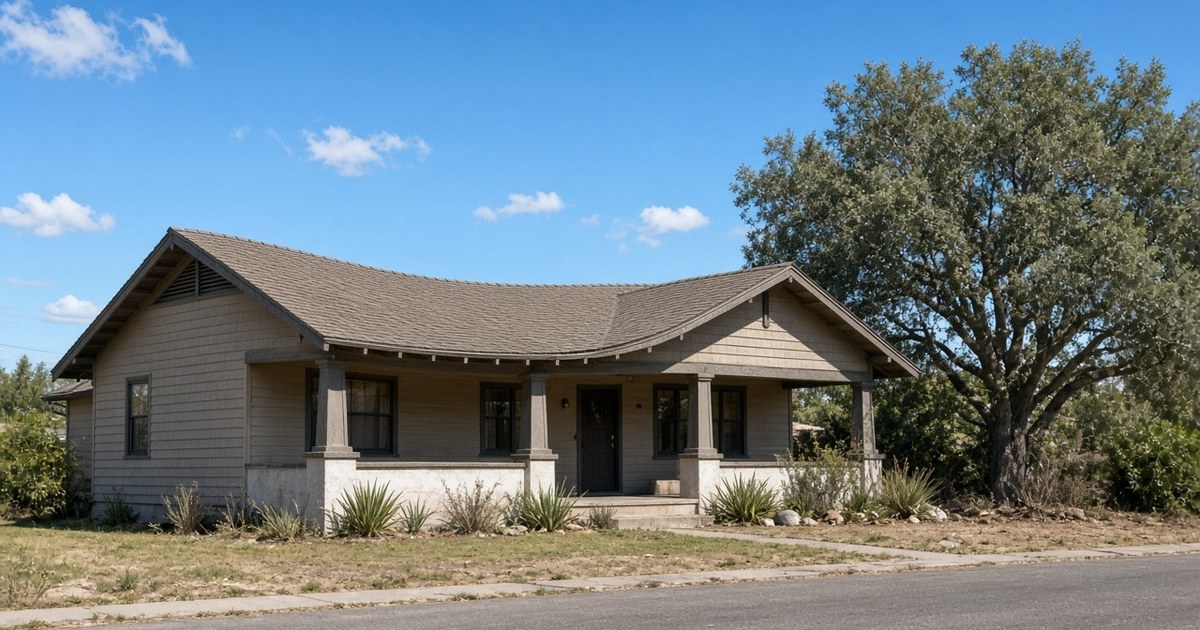
A roof line should look straight from the street. When the ridge dips, a slope looks wavy or the eaves droop, the problem is usually under the shingles, in the wood that holds the roof up. This guide explains what causes a sagging roof, which warning signs matter, how a sagging roof is repaired and when you need a structural engineer instead of only a roofer.
What a sagging roof tells you
Shingles and tiles do not sag on their own. A dip means something below them has moved: the roof deck (the plywood or boards the roofing is nailed to), the rafters or trusses, the ridge, or the walls and foundation that carry it all. Some old homes have a gentle, even settle that has not changed in decades. A sag that is new, growing or paired with leaks is a different story.
Because the cause is structural, a sagging roof is not something to cover with new shingles and forget. The goal is to find out why it moved and whether it is still moving.
Common causes of a sagging roof
Water damage and rot
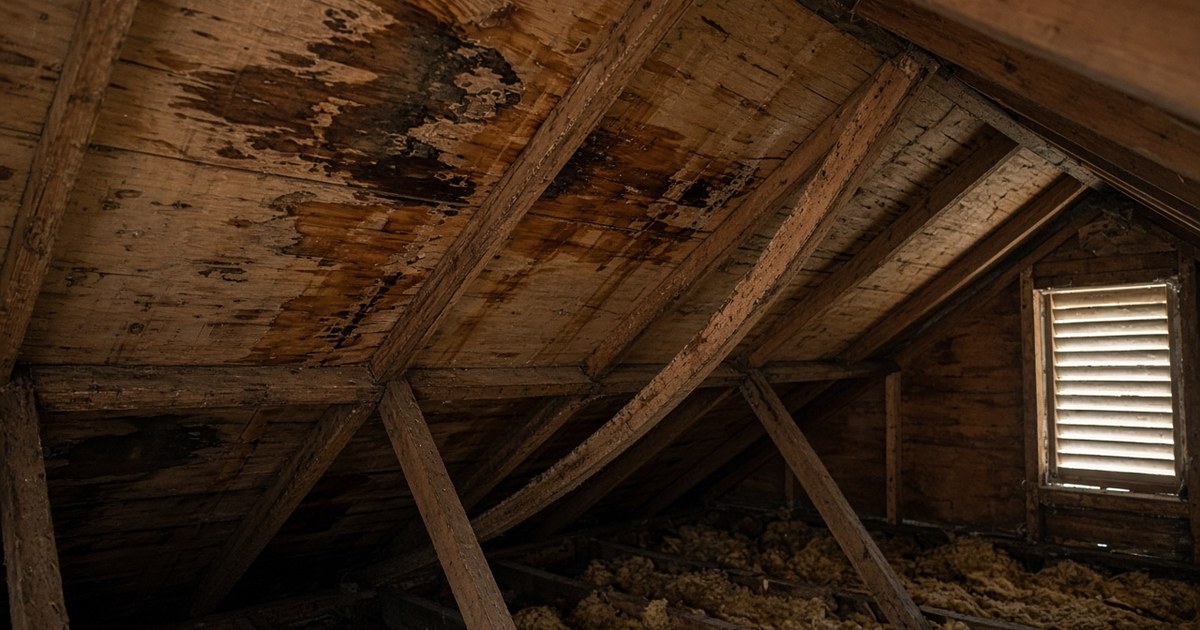
The most common cause is a slow leak. Water that gets past worn flashing or shingles soaks the roof deck and the rafters, and wet wood loses strength. Over a few rainy seasons the deck can soften between rafters, which looks like small waves across the slope. Our guide to roof decking dry rot and replacement covers what rotted sheathing looks like and how it is replaced.
Too much weight
Every extra layer of roofing adds load. That is one reason the California Residential Code does not allow a new roof covering over an existing roof that already has two or more layers, or over a roof that is water soaked or too deteriorated to be a good base. A heavy material change, such as going from shingles to tile without checking the framing, can also overload rafters that were sized for something lighter.
Source: 2025 California Residential Code, Section R908.4, via up.codes, read November 28, 2026
Framing that was cut, undersized or removed
Rafters that span too far, ceiling ties that were removed during a remodel, or framing notched for ducts, vents or skylights can all let a roof spread and sag. The code limits how much structural roof members can be cut, bored or notched, so a remodel that ignored those limits is a common suspect.
Source: 2025 California Residential Code, Section R802.7, via up.codes, read November 28, 2026
Movement below the roof
Sometimes the roof is fine and the house under it moved. Settling footings, a failing post in the crawl space or earthquake damage can pull walls out of line, and the ridge follows. If you also see cracked walls or sticking doors, read our guide to foundation cracks in California.
Warning signs to watch for
From the ground and inside the house, you can spot most of the signs without climbing anything:
- A ridge line that dips in the middle or a slope that looks wavy in low morning or evening light.
- Eaves or a porch roof that droop at one end, or gutters that no longer drain toward the downspout.
- Ceiling cracks, a bowed ceiling or new water stains, especially after rain. Our guide to a roof leak in the rain explains what to do first.
- In the attic, with a flashlight: dark stains, soft or crumbling wood, daylight through the deck, or rafters that bow, crack or pull away from the ridge.
- Doors and windows on the top floor that start to stick.
Ask the roofer: is this sag in the roof deck, the rafters or the walls below, and how do you know?
Is a sagging roof dangerous?
It can be. Many sagging roofs stay put for years, but a sag that is getting worse, a cracked rafter, or a bowed ceiling that holds water are signs to act quickly. If a ceiling is bulging with water, keep people and pets out of the room, move valuables and call a professional the same day.
Do not climb onto a sagging roof to look. Damaged decking can give way under your weight. Photos from the ground and from the attic hatch are enough for a first conversation with a roofer or engineer.
How a sagging roof is repaired
Replacing damaged decking
If only the sheathing is soft or rotted, the roofer removes the roofing in that area, replaces the bad panels and reroofs. This is common when a leak was caught before it reached the rafters.
Sistering or adding supports
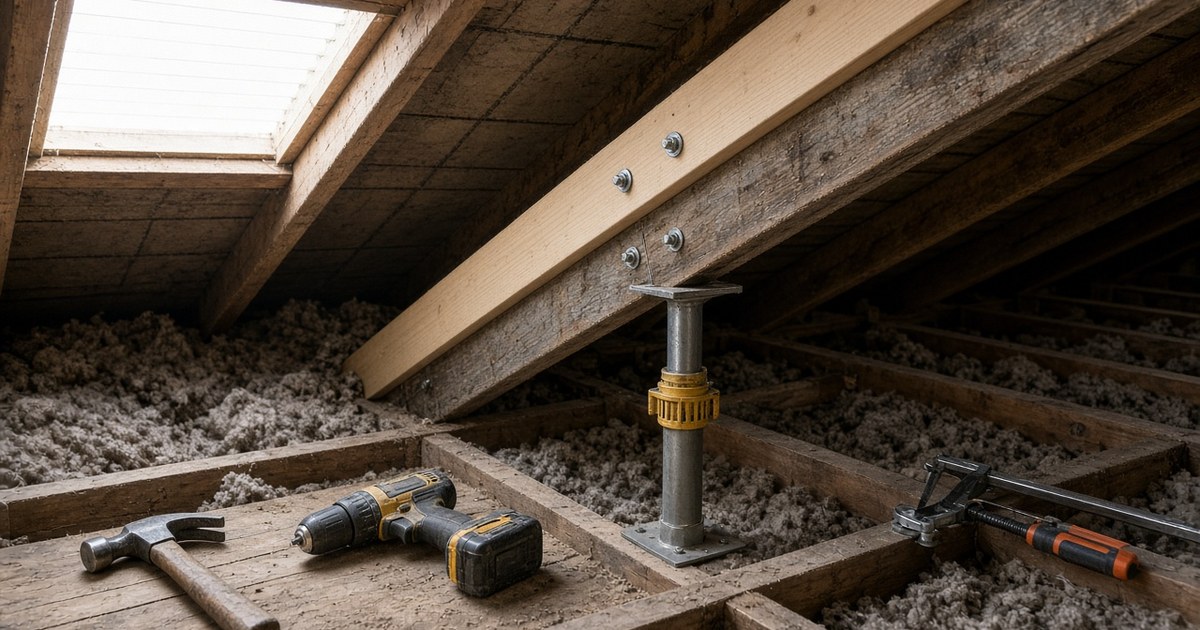
For cracked or bowed rafters, a common repair is sistering: fastening new lumber alongside the old rafter. Other fixes add collar ties, purlins, braces or a beam to shorten the span. Jacking a sagging ridge back up is done slowly, sometimes over days, so walls and finishes are not damaged.
Structural repair or a new roof
When the framing is badly damaged or the house moved, the fix can involve an engineer's design, framing work and then a new roof. If the roof is near the end of its life anyway, combining the structural repair with a replacement often makes sense. Our guide to roof repair vs replacement helps you weigh that choice.
Who to call, and do you need a permit?
A licensed roofer can diagnose deck damage and many rafter problems. When the cause looks structural, such as cut framing, a sagging ridge beam or a house that has shifted, ask for a structural engineer's evaluation before you pay for a fix. In California, engineers are licensed by the Board for Professional Engineers, Land Surveyors, and Geologists, which offers a license lookup on its consumer page.
Source: Board for Professional Engineers, Land Surveyors, and Geologists, "Consumers," bpelsg.ca.gov, read November 25, 2026
Framing work usually needs a building permit. The code requires a permit to construct, alter or repair a building unless the work is listed as exempt, so ask the contractor who will pull it. Our guide to roof permits in California has more detail. Larger structural jobs may be done by a general contractor; see what a B general building license covers.
Source: 2025 California Residential Code, Sections R105.1 and R105.2, via up.codes, read November 28, 2026
Questions to ask about a sagging roof
• What is causing the sag, and can you show me photos from the attic?
• Is the sag still moving, and how can we tell?
• Do you recommend a structural engineer look at this before work starts?
• Will this job need a permit, and who will pull it?
• What exactly will be repaired: decking, rafters, the ridge or the walls?
• Is the repair covered by a written workmanship warranty?
Frequently asked questions
Is a slight sag in an old roof normal?
Can new shingles fix a sagging roof?
Can a sagging roof collapse?
Does homeowners insurance cover a sagging roof?
Source: California Department of Insurance, "Residential Insurance: Homeowners and Renters," insurance.ca.gov, read November 25, 2026
Check the contractor before you sign
Structural roof work is a big job, and the contractor matters as much as the fix. Before you sign, run a ConFacts check on the California contractor to review the state license, bond and workers' comp records in one place.
Two companies. Two reports.
Got more than one bid? Check them side by side, against the same records.
Compare bids side by side