Nail Pops on Your Roof: Causes and Fixes
Nail pops lift shingles and open small holes that leak in the next storm. Learn what causes roof nail pops, how to spot them and how roofers fix them for good.
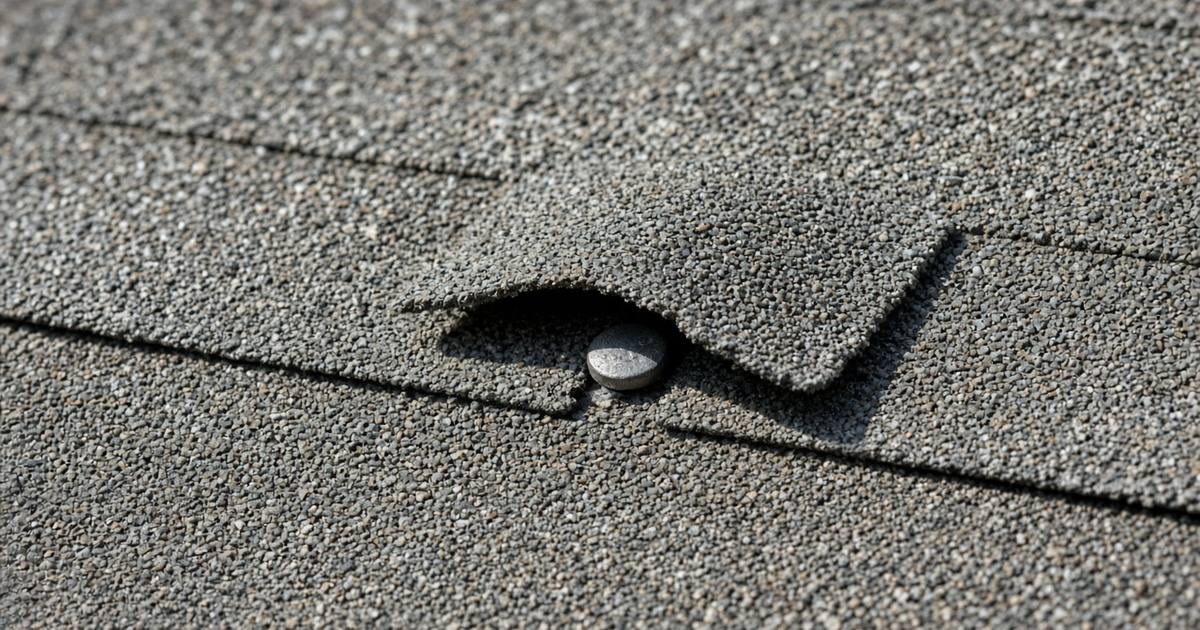
A nail pop is a roofing nail that has backed out of the wood under your shingles and is pushing up from below. It looks like a small bump or a lifted shingle edge, and it is easy to ignore. But a raised nail head can wear a hole through the shingle above it and let water run straight down the nail shank into your roof deck. This guide explains why roof nail pops happen, how to spot them from the ground and how a roofer fixes them so they stay fixed.
Source: 2025 California Residential Code, Sections R905.2.5 and R905.2.6, via up.codes, read November 28, 2026
What is a roof nail pop?
Asphalt shingles are held down by nails driven through the shingle and into the plywood or board sheathing below, which roofers call the roof deck. When a nail loosens and rises, it lifts the shingle that covers it. Sometimes you see the nail head poking through. More often you see a small dome, a tab that will not lie flat, or a shingle edge that catches the light differently from its neighbors.
The California Residential Code sets minimums for these nails. They must be corrosion resistant roofing nails with at least a 12 gage shank and a 3/8 inch head, long enough to go at least 3/4 inch into the sheathing, or all the way through it when the sheathing is thinner than that. Each strip shingle needs at least four nails, or more if the shingle maker's instructions call for it.
Source: 2025 California Residential Code, Sections R905.2.5 and R905.2.6, via up.codes, read November 28, 2026
What causes nail pops?
Wood that moves
Roof decking swells when it takes on moisture and shrinks as it dries. In California that cycle repeats every year, with winter rain and damp nights followed by long hot summers. Each cycle can work a nail loose a tiny bit at a time. A poorly ventilated attic makes it worse, because trapped heat and moisture make the wood move more. Our guide to roof ventilation and attic heat explains how intake and exhaust vents keep the deck stable.
Nails that missed or were set wrong
Many nail pops start on the day the roof is installed. A nail that misses the rafter or catches only the edge of a sheathing board has little to grip. Nails driven at an angle, nails that are too short to reach the required depth, and nails left standing slightly proud of the shingle are all common causes. Overdriven nails cause a different problem: they cut into the shingle and weaken it.
Old or damaged decking
Nails cannot hold in wood that is soft. If the sheathing has dry rot from an old leak, nails will keep backing out no matter how often they are reset. Our guide to roof decking dry rot and replacement covers how roofers find and replace bad sheets.
Why a small nail pop matters
One popped nail does not mean your roof is failing. The trouble is what happens next. The raised head rubs against the shingle above it in wind and heat until it breaks through. Water then follows the nail into the deck. Because the hole is tiny, the leak is usually slow: a stain that grows on the ceiling, a damp spot in the attic insulation, or rot you only find years later.
Popped nails also mean a shingle is not fully held down. In a Santa Ana wind or a winter storm, a shingle with a loose nail is more likely to lift and tear. If you have already lost shingles, read our guide to shingles blown off in wind.
Ask the roofer: are these nails popping because of how they were installed, or because the decking underneath is moving or soft?
How to spot nail pops safely
You do not need to climb on the roof. From the ground or a window, on a sunny morning or late afternoon, look across each roof slope at a low angle. Nail pops show up as small bumps or shadows in an otherwise flat surface. Binoculars help. Take photos of anything that looks raised.
- Outside: bumps in neat rows, shingle tabs that will not lie flat, or shiny nail heads.
- In the attic: with a flashlight on a rainy day, look for drips or rust stains around nail tips coming through the deck.
- On the ceiling: small round stains, often in a line, that grow after rain.
Water travels before it drips, so a stain may be some distance from the nail that caused it. Our guide on what to do when the roof leaks in the rain walks through the first steps if water is already coming in.
How roofers fix nail pops
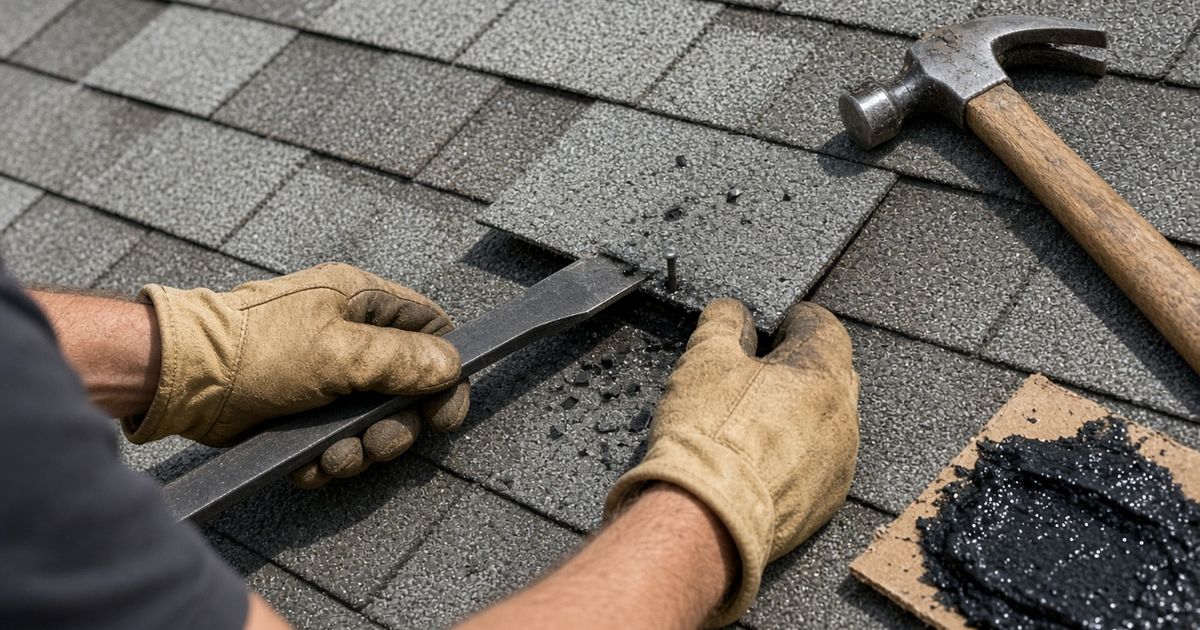
Hammering the nail back down is not a real repair. The hole around it is already enlarged, so it will rise again. A careful roofer will usually:
- Gently break the seal on the shingle above and lift it without cracking it.
- Pull the loose nail out.
- Drive a new nail of the right type and length into solid wood nearby, usually just beside the old hole.
- Seal the old hole and the new nail head, or slide a small piece of flashing under the shingle to cover the old hole.
- Replace any shingle that is cracked or worn through, then seal the tab back down.
Shingles are most flexible in warm weather. On a cold morning they crack more easily when lifted, so a good roofer may schedule the work for the warmer part of the day.
Repair or a bigger problem?
A handful of nail pops on a younger roof is a normal maintenance repair. A different picture calls for a closer look:
- Nail pops all over the roof can point to an installation problem or a ventilation problem.
- Pops that come back after being fixed often mean soft or rotted decking.
- Pops on an older roof along with other wear, such as curling shingles, can mean the roof is near the end of its life.
If the roof is fairly new and the pops are widespread, ask the installer about the workmanship warranty before paying anyone else. If it is old, a roofer can help you weigh roof repair vs replacement. Ridge cap shingles are nailed through their exposed face too, so check the peak as well; our guide to ridge cap shingle damage and repair covers that spot.
Questions to ask about nail pops
• How many nail pops did you find, and can you show me photos of each one?
• Will you replace the nails, or only hammer them down?
• What type and length of nail will you use?
• Is the decking solid where the nails were popping?
• Do you see signs of a ventilation problem in the attic?
• Is this repair covered by a written warranty, and for how long?
Frequently asked questions
Are nail pops normal on a new roof?
Can I fix a nail pop myself?
Do nail pops always cause leaks?
Will homeowners insurance pay for nail pops?
Check the roofer before you sign
Nail pop repairs are small jobs, but they still call for a licensed roofer. Before you hire anyone, run a ConFacts check on the California roofer to review the state license, bond and workers' comp records in one place.
Two companies. Two reports.
Got more than one bid? Check them side by side, against the same records.
Compare bids side by side